
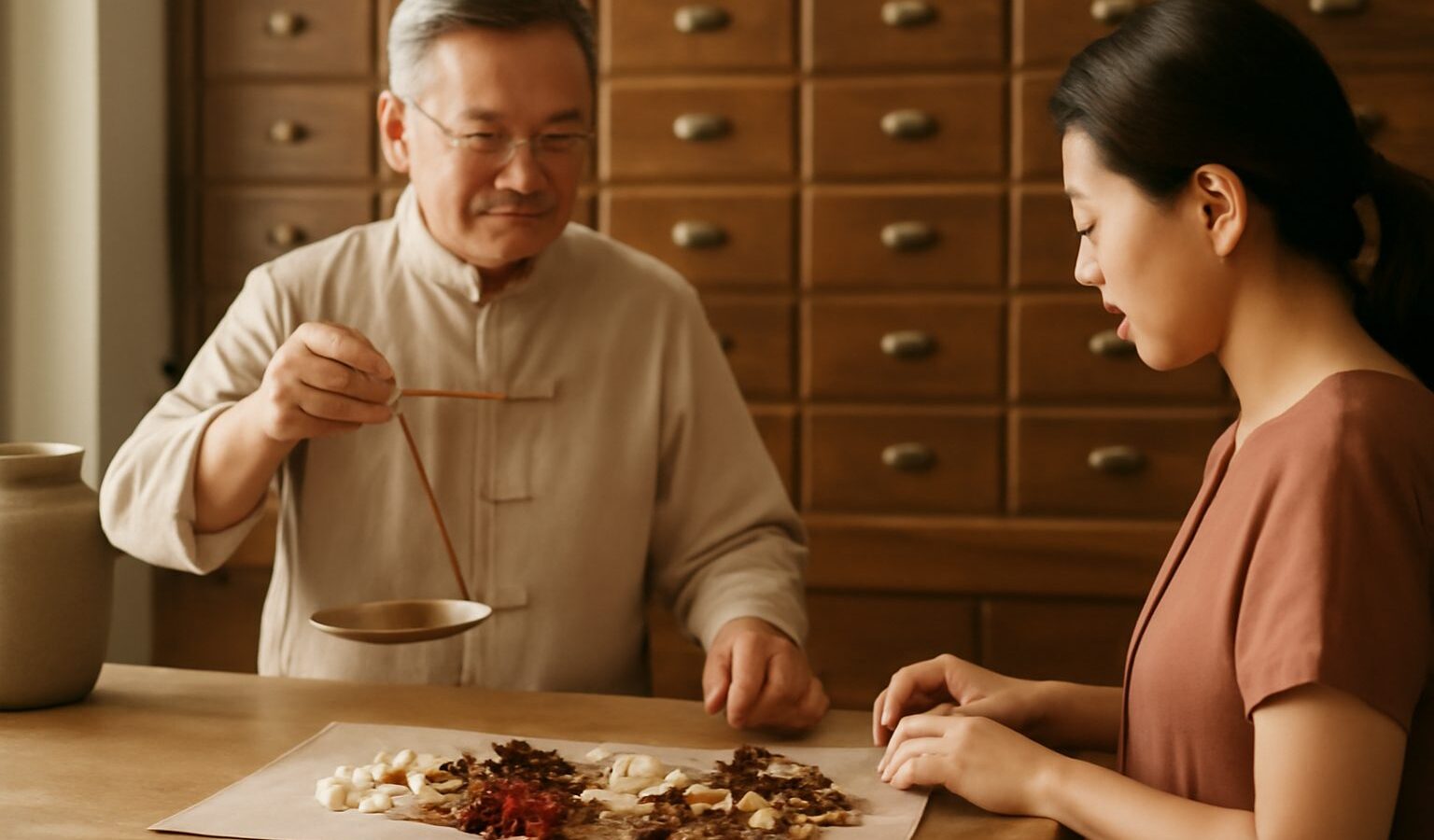
Step into an old shophouse in Chinatown or a heartland corner and you may catch it before you see it: the warm, earthy smell of dried roots, bark and herbs. This is the world of TCM shops, the traditional Chinese medicine halls that have served Singapore’s neighbourhoods for generations. Traditional Chinese Medicine (TCM) is a system of health practice with roots in China going back many centuries, brought to Singapore by early Chinese migrants. For newcomers, these shops can look mysterious, but they are really community fixtures, as much a part of the streetscape as the coffee shop next door.
This guide explains what a TCM shop is, what you might find inside, and how the trade lives on today. It is written as culture and heritage, not medical advice. For any health concern, please consult a qualified TCM practitioner or a doctor.
What a TCM Shop Is and Where It Came From
A TCM shop, often called a medicine hall, is a retail dispensary that sells Chinese herbs, ready made tonics, and related products, and where a practitioner may offer consultations. In the older shops you might hear the practitioner called a “sinseh”, a Hokkien and dialect term of respect meaning teacher or master, used for a person skilled in traditional medicine.
These shops arrived with the waves of migrants from southern China in the 1800s and early 1900s. Communities from different dialect groups, Hokkien, Teochew, Cantonese, Hakka and Hainanese, brought their own remedies, tastes and family recipes. A medicine hall was often more than a shop. It was a place to ask advice, to buy ingredients for a nourishing soup, and to be steered gently toward rest and care. Many were family businesses passed down through the generations, and some grew into well known names that Singaporeans still recognise today.
It is worth noting that TCM is one strand of Singapore’s wider healing heritage. Malay traditional medicine, Indian Ayurvedic practices and others each have their own long histories here. TCM shops are simply the most visible on the Chinese side of that shared story.
Inside the Shop: What You Might See
Walk in and the first thing you notice is a wall of small wooden drawers, each holding a different dried herb, plus rows of glass jars and labelled tins. A traditional counter often has a hand scale for weighing herbs and, in some shops, a grinder or a place to boil and prepare mixtures.
Common things you might come across include:
- Dried herbs and roots stored in drawers and jars, weighed out by the practitioner into a paper packet.
- Tonics and ready made products in bottles, sachets and boxes, from cooling drinks to soup mixes.
- Familiar kitchen and comfort items such as dried longan, red dates, wolfberries and other ingredients also used in home cooking and soups.
- Cupping sets, medicated oils and plasters that many households keep for everyday aches.
Many items double as food, which is why a trip to the medicine hall often overlaps with preparing a nourishing meal at home. If you have ever bought ingredients for a herbal soup, you may already have visited one without thinking of it as medicine.
Here is a plain guide to a few things a newcomer often notices, and what they generally are.
| What you might see | What it generally is |
|---|---|
| Wall of small wooden drawers | Storage for many kinds of dried herbs, weighed out to order |
| Hand held balance scale | A traditional tool for measuring herbs by weight |
| Glass jars of dried red dates and longan | Common ingredients used in soups and tonics at home |
| Bottles and sachets on shelves | Ready made tonics and preparations for convenience |
| Cupping cups or ceramic bowls | Items linked to traditional therapies offered by some practitioners |
Practices You Might Encounter
TCM covers a broad range of practices, and different shops and practitioners offer different things. Some sell mainly products over the counter. Others have a consultation area where a practitioner sees people. It helps to understand a few ideas in plain terms.
TCM traditionally works with concepts such as balance in the body and the flow of energy, described using words like “heaty” and “cooling” that many Singaporeans use in everyday speech, even at the dinner table. A practitioner may ask about your general condition, look at the tongue, or feel the pulse as part of a traditional assessment. Some clinics offer therapies such as acupuncture, the use of fine needles at specific points, or cupping, which uses suction cups on the skin. Herbal preparations are often taken home to be boiled into a brew.
Because customs and standards matter, Singapore regulates aspects of the trade. TCM practitioners are registered and overseen by the relevant national authority, and certain products are controlled. This is part of why the sector is trusted as a mainstream part of local life rather than a fringe one.
A gentle reminder: this article describes the trade and its heritage, not what anyone should take. Practices vary, and what suits one person may not suit another. Always speak to a qualified TCM practitioner or a doctor about your own health, and mention any TCM products to your doctor if you are on other medication.
Where to Find TCM Shops in Singapore Today
The classic place to browse is Chinatown, where heritage medicine halls sit among the shophouses and the smell of herbs drifts onto the five foot way. But TCM shops are found all over the island, tucked into heartland malls, wet market blocks and neighbourhood shophouses, so most people have one within walking distance of home.
You will find them across many older districts and heartland estates. Some heritage neighbourhoods keep a strong old trade feel, and exploring them is a lovely way to see medicine halls in their natural setting. If you enjoy this kind of everyday heritage, you might also like our old provision shops and mama shops in Singapore guide, which covers another vanishing corner shop tradition, and our look at the kacang putih man and street hawkers.
When you visit, a few friendly pointers help. Take your time and it is fine to ask what something is, as staff are often happy to explain. Be respectful of a busy practitioner with waiting customers. And remember that many items are foods and comforts as much as remedies.
Keeping the Trade Alive
Like many heritage trades, TCM shops face real pressures. Rents rise, younger generations may choose other careers, and habits change. Yet the trade endures, partly because it is woven into how many families eat, rest and care for one another, and partly because a new generation of trained practitioners is bringing the practice into modern clinics.
You can help keep it alive simply by being curious and supportive. Buy your soup herbs from a neighbourhood hall, ask the older shopkeepers about the drawers and jars, and treat these shops as the community anchors they are. To see how this fits the wider picture of neighbourhood life and mutual care, our piece on gotong-royong and the kampong spirit is a warm companion read.
A TCM shop is, in the end, a small museum you can walk into, run by living people who still practise the trade. Treat it with the same respect you would any place of heritage, enjoy the aromas and the stories, and leave the health questions to the qualified hands of a practitioner or doctor.