
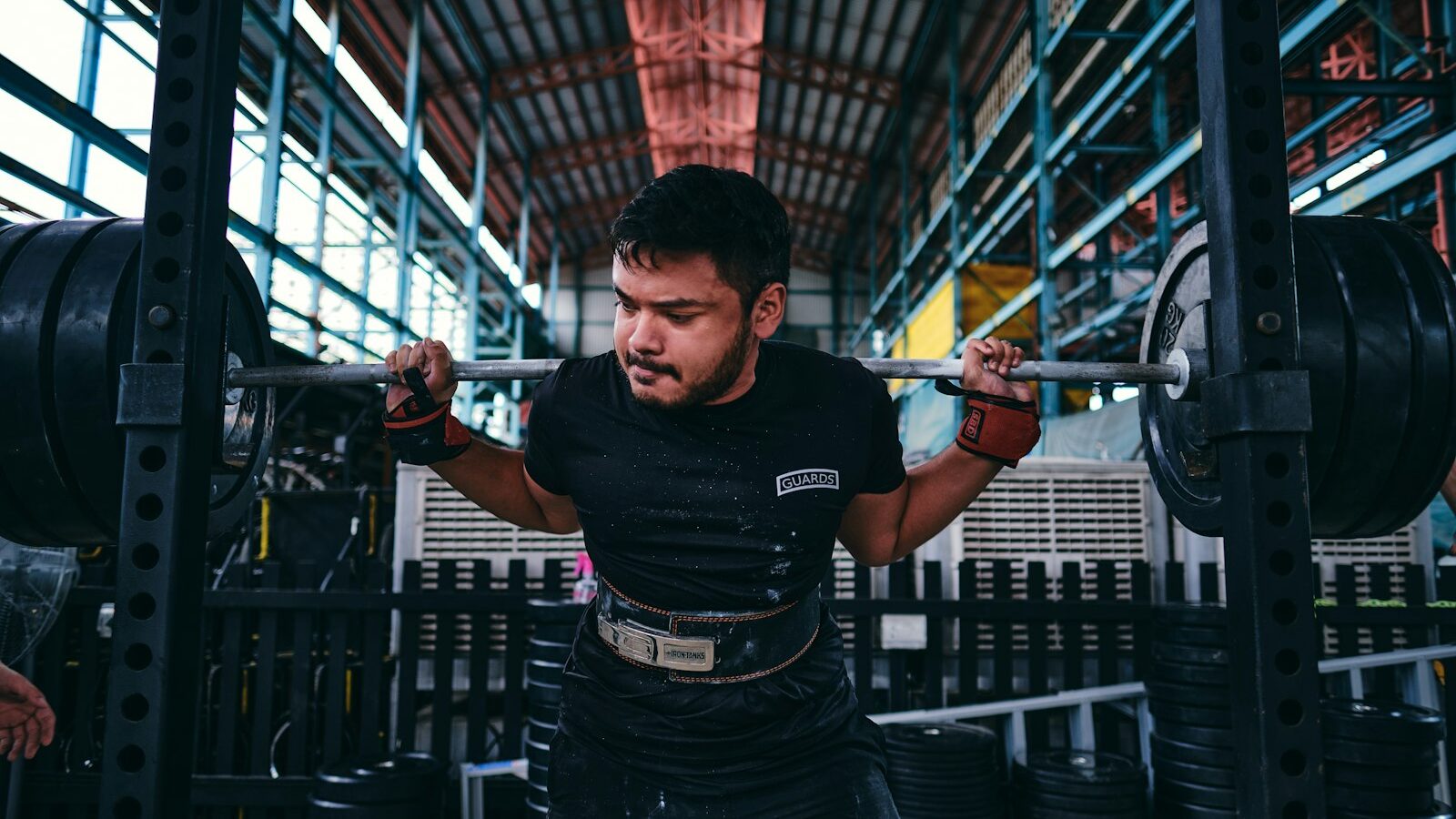
Almost everyone who picks up a dumbbell eventually wants stronger, more defined arms. It is one of the most popular goals in any gym, and there is nothing shallow about it. Beyond looking capable, well-trained arms help you carry, push, and pull through everyday life. A smart arm workout in Singapore does not need fancy machines or hours of curls. It needs the right movements, honest form, and a bit of patience.
This is general fitness information rather than medical or personalised advice. Warm up your elbows and shoulders, use good technique, start with lighter weights, and build up gradually. If you feel sharp pain in the elbow or shoulder rather than ordinary muscle fatigue, stop and check in with a doctor or physiotherapist.
Getting to know your arms
The upper arm has two headline muscle groups. The biceps sit on the front and bend the elbow, as well as helping turn the palm upward. The triceps sit on the back and straighten the elbow. Here is a fact that surprises many beginners: the triceps are the larger of the two, making up roughly two-thirds of the upper arm. If bigger, stronger arms are the goal, your triceps deserve at least as much attention as your biceps, if not more.
Your forearms matter too. They drive grip and contribute to that full, developed look. Grip strength is worth building in its own right, and building grip strength explains why it carries over to almost every other lift you do.
The exercises that do the heavy lifting
For biceps, the family is small and effective. Standing dumbbell or barbell curls train the classic elbow bend. Hammer curls, with palms facing each other, hit the biceps plus the muscles along the forearm. Incline curls, done seated and leaning back, put the biceps under a bigger stretch, which many people find especially productive. You do not need all of them at once. Pick one or two and do them well.
For triceps, think in two directions. Overhead extensions, where your arm is raised and you straighten the elbow behind your head, emphasise the long head of the triceps under stretch. Pressdowns and kickbacks, where the elbow works closer to your side, hit the other heads and give a strong squeeze at the bottom. Close-grip push-ups and dips are excellent compound options that let your triceps move real load, and if you want to build up to bench dips and parallel-bar dips, how to do dips walks through the progression safely.
One important point: your arms already work hard during bigger lifts. Every row and pull-up trains the biceps, and every press and push-up trains the triceps. That means direct arm work is the finishing touch on top of your main pushing and pulling, not a replacement for it.
Form cues that protect your elbows
Control the weight. Curls and extensions reward slow, deliberate reps. If you are swinging the dumbbell up with your whole body, the weight is too heavy and your momentum is doing the job your muscles should.
Keep your elbows steady. In most curls the upper arm stays roughly still, with movement coming from the elbow joint. Drifting elbows usually means you have brought your shoulders into it.
Do not force a painful range. Overhead triceps work in particular can nag cranky elbows. Ease into the stretch, and never push through sharp joint pain.
Warm up the joint, not just the muscle. A couple of light, high-repetition sets before your working sets prepares the elbow tendons and reduces that first-set strain, especially useful if you are training after a long day at a desk.
How much arm work you actually need
This is where many people go wrong, piling on set after set of curls and wondering why their arms stall. Arms are small muscles that recover quickly but also fatigue with surprising ease. For most people, a handful of working sets for biceps and a handful for triceps, spread across the week, is plenty when it sits on top of regular pressing and pulling.
You can train arms on a dedicated day, tack them onto the end of an upper-body session, or sprinkle them through the week. What matters is consistency and gradual progress. The reliable driver of growth is doing a little more over time, and progressive overload explained shows how to add reps or weight without wrecking your form. Aim to keep most sets a rep or two short of failure so your technique stays clean and your elbows stay happy.
Fitting arms into a bigger plan
Arm training works best as part of a balanced routine rather than the whole show. If you are still shaping your week, choosing a training split can help you decide where curls and extensions fit, whether that is a push-pull setup, an upper-lower split, or full-body sessions.
A simple template might be two curl sets and two triceps sets after your main lifts, twice a week. Log what you do, nudge the weight or reps up when a set feels easy, and give your arms a day or two to recover between hard sessions. In Singapore’s heat, staying hydrated and getting decent sleep will help those small muscles bounce back faster than any supplement.
Strong arms are built the same way as everything else in the gym: modest sessions, honest reps, and steady progress over months. Skip the ego weight, respect any joint niggles, see a professional if pain lingers, and let time do its quiet work.