
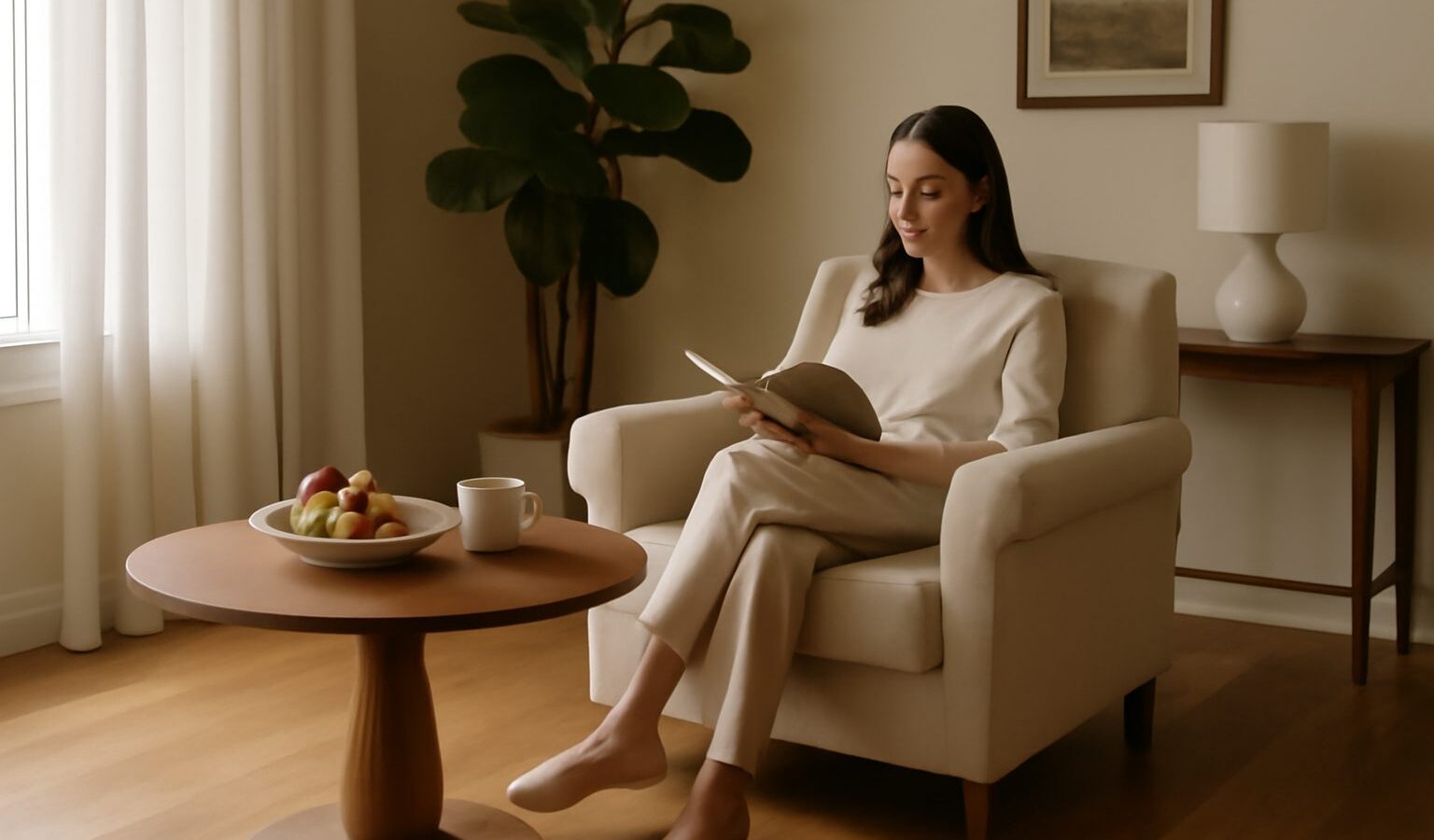
If you love the warmth of classic decorating but want rooms that feel current and uncluttered, a transitional interior singapore homeowners can actually live in may be the sweet spot. Transitional style sits comfortably between traditional and contemporary design, borrowing the comfort and craftsmanship of one and the clean lines of the other. The result is a home that feels timeless rather than trend-driven, calm rather than cold, and forgiving enough to grow with you over the years. This guide walks through the look, the palette, the materials and the practical ways to make it work in a flat or condo here.
The Look and Where It Comes From
Transitional design emerged as decorators began softening formal, heavily ornamented interiors while keeping the pieces that gave a room character. Instead of choosing between an antique sideboard and a sleek sofa, the transitional approach lets the two sit together in balance. Silhouettes are simplified, ornamentation is dialled back, and the overall mood is relaxed elegance.
The key idea is restraint. A traditional room might layer pattern on pattern, while a strictly modern room can feel spare and hard. Transitional interiors take the middle path: comfortable upholstered furniture with clean profiles, a neutral backdrop, and a few refined details such as a turned timber leg or a subtle moulding. Nothing shouts for attention, so the room reads as considered and settled.
Because it avoids strong trends, this style ages gracefully. That makes it well suited to buyers who plan to stay put, and to anyone who dislikes redecorating every couple of years.
Key Elements
A few consistent choices give transitional rooms their signature feel.
- Balanced silhouettes. Furniture has soft, tailored shapes rather than heavy carving or sharp industrial edges.
- Neutral base, layered texture. Colour stays quiet, so interest comes from the way materials feel rather than from bright hues.
- Symmetry with a twist. Matching lamps or a pair of armchairs create order, then one unexpected piece keeps the room from feeling formal.
- Edited accessories. Surfaces are styled but never crowded, with a handful of meaningful objects instead of many small ones.
- Quiet pattern. Stripes, subtle checks and organic weaves appear in small doses on cushions, rugs and throws.
Colour Palette, Materials and Textures
Colour is where transitional style earns its calm reputation. Think warm whites, greige, oatmeal, soft taupe, mushroom and gentle greys, lifted by deeper anchors such as charcoal, navy or a muted olive. These tones flatter our strong natural light and keep compact rooms feeling open.
Texture does the heavy lifting. Because the palette is restrained, the eye reads the difference between a nubby linen sofa, a smooth timber table and a woven jute rug as richness. Layering these tactile surfaces stops a neutral room from feeling flat.
| Element | Transitional choices | Why it works here |
|---|---|---|
| Colours | Warm white, greige, taupe, charcoal, navy | Calm, light-friendly, easy to live with |
| Materials | Oak and walnut, linen, cotton, rattan, brass | Blends classic warmth with clean lines |
| Textures | Woven rugs, boucle, matte ceramics, glass | Adds depth without extra colour |
| Metals | Brushed brass, aged bronze, matte black | Softer than chrome, warmer than steel |
| Pattern | Subtle stripe, check, organic weave | Interest in small, quiet doses |
Mix timber tones rather than matching everything, and let one or two natural materials, such as rattan or stone, bring in a relaxed note.
Furniture and Decor
Start with the anchor pieces. A comfortable sofa with a tailored profile, a pair of armchairs and a simple timber or stone coffee table form the backbone of a transitional living room. Choose upholstery in a hard-wearing neutral, then layer cushions and a throw for softness.
Lighting matters more than people expect. A sculptural pendant, table lamps for a warm glow in the evening, and a floor lamp beside a reading chair together create the layered light that makes these rooms feel welcoming. Warm bulbs suit the mood far better than cool white.
For decor, keep it edited. A large piece of art, a framed mirror to bounce light, a stack of books, a ceramic vase and a plant are usually enough. The discipline of leaving space is part of the style. Natural materials in the accessories, such as a timber bowl or a woven basket, reinforce the relaxed tone.
Adapting It to an HDB Flat or Condo
Transitional style adapts beautifully to local homes because its neutral base makes small rooms feel larger and its comfort suits everyday family life. A few tweaks help it thrive in our climate.
Favour light fabrics and breathable weaves such as linen and cotton, which feel cooler and cope better with humidity than heavy velvets. Rattan, cane and timber add warmth without the density of ornate traditional furniture, so a compact living room stays airy. Keep window treatments simple with sheer curtains that filter glare while letting the breeze through, which supports natural ventilation and reduces reliance on air conditioning.
Built-in carpentry, common in flats and condos here, works well when finished in a warm neutral and paired with brushed brass or matte black handles for that transitional balance of classic and modern. If you have a bomb shelter door or service yard to work around, a calm palette helps these features recede.
Choose a few larger accessories rather than many small ones, which keeps compact rooms tidy and easy to maintain. In a humid climate, matte ceramics, glass and sealed timber are practical and stay looking good.
Budget-Friendly Ways to Achieve the Look
You do not need a full renovation to get there. Paint is the biggest lever: a warm white or greige on the walls instantly sets the tone. Reupholstering or slipcovering an existing sofa in neutral linen can transform a room for far less than buying new.
Shop for one quality anchor piece, such as a timber coffee table, then fill in with more affordable accessories. Mix a considered investment item with high-street finds so the room feels collected rather than bought as a set. Layer texture through cushions, a jute rug and a throw, which are inexpensive and easy to swap. Swapping dated handles for brushed brass or matte black is a small change with a big effect. Finally, edit ruthlessly: removing clutter costs nothing and is often the single fastest way to make a room look calm, intentional and expensive.
Explore more
Interior Design Styles
Japandi Interior Design for HDB Flats
Home Decor and Lighting
How to Style Shelves and Surfaces