
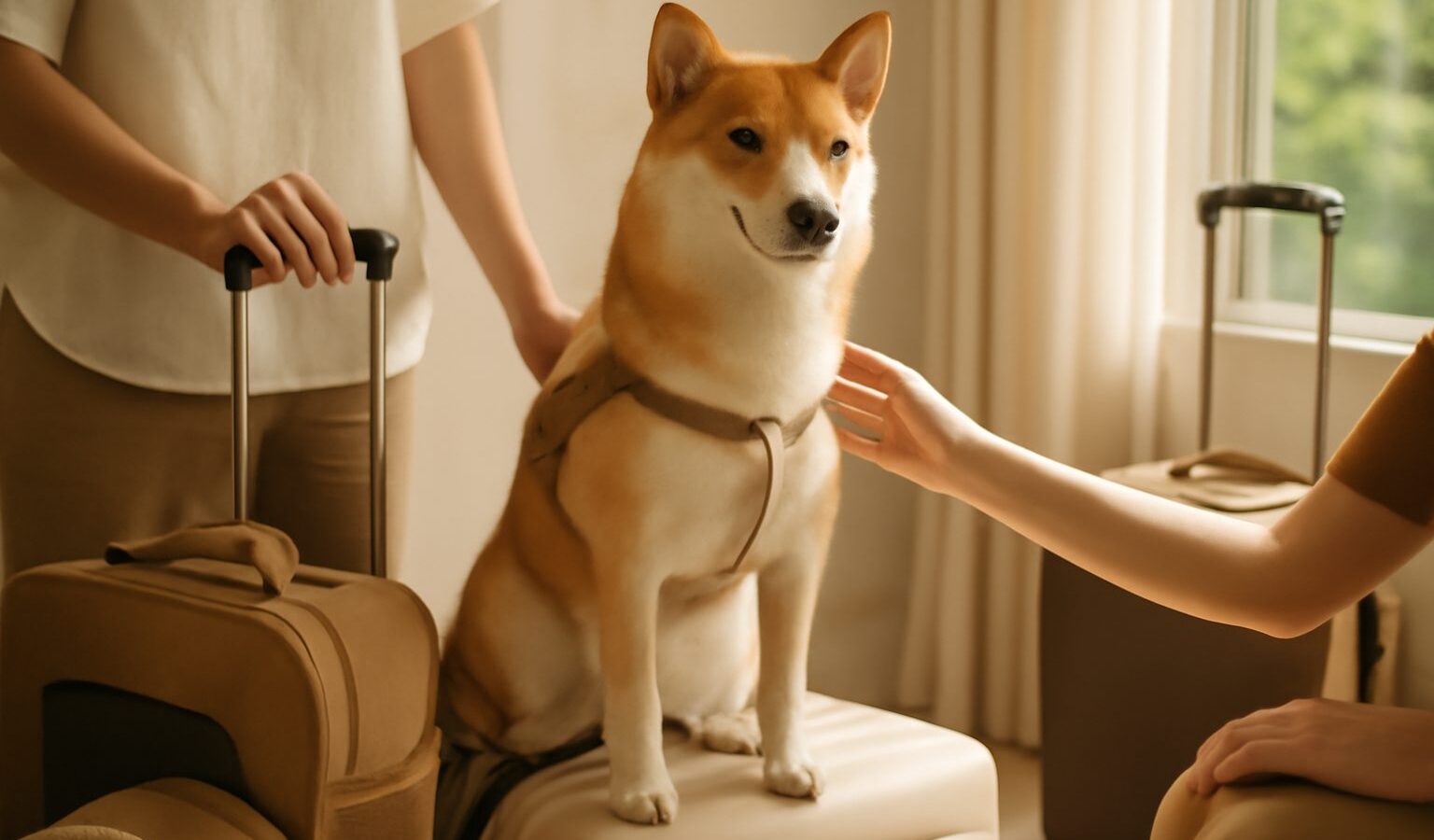
Travelling with pets overseas from Singapore is very doable, but it is a documents-and-timelines exercise rather than a spontaneous one. You are dealing with two sets of rules at once: Singapore’s export requirements and the destination country’s import requirements. This guide explains the moving parts so you can plan properly. Always confirm current rules directly with the Animal & Veterinary Service (AVS), which sits under the National Parks Board (NParks), and with the animal health authority of your destination.
Start with the reality: it takes time
The single biggest mistake owners make is starting late. Some destinations require vaccinations, blood tests or waiting periods that must be completed in a set order over weeks or months. If any step is out of sequence, the clock can reset. Begin planning as early as you reasonably can, ideally well before you book flights, and never leave it to the last few weeks.
Singapore’s side: exporting your pet
To take an animal out of Singapore, you generally need to satisfy AVS requirements. The core elements usually include:
- An export licence or permit from AVS for the animal leaving Singapore.
- A microchip that identifies your pet and links to its records. This is the anchor for every other document.
- Up-to-date vaccinations, commonly including rabies for cats and dogs, recorded against the microchip number.
- A veterinary health certificate confirming the animal is fit to travel, often issued within a specific window before departure and sometimes endorsed by AVS.
The exact permits, endorsements and validity windows change, so treat the AVS website and its licensing portal as your source of truth rather than any single blog. Your vet is your partner here and can guide the medical steps.
The destination’s side: importing your pet
Every country sets its own import rules, and they vary enormously. Some are relatively straightforward for cats and dogs from Singapore; others require rabies antibody blood tests taken a set number of days after vaccination, import permits arranged in advance, treatments for parasites close to travel, or a period of home or facility quarantine on arrival. A few destinations restrict certain breeds entirely.
Find the official government agency responsible for animal import at your destination and read its requirements in full, or ask them directly. Confirm:
- Which species and breeds are allowed.
- The vaccination and testing schedule, including any mandatory waiting periods.
- Whether an import permit must be obtained before you travel.
- Any quarantine on arrival.
If you are returning to Singapore later, check the AVS import conditions for bringing the animal back as well, because re-entry has its own requirements.
Cabin, cargo or manifest cargo
How your pet actually flies depends on the airline, the animal’s size and the route.
- In-cabin travel is sometimes allowed for very small pets in an approved carrier under the seat, but many long-haul routes and destinations do not permit it.
- Checked or accompanied baggage may be an option on some airlines where the pet flies in a climate-controlled hold area on your flight.
- Manifest cargo is common for larger animals and many international moves, where the pet travels as freight in a temperature-controlled compartment, often arranged through a pet relocation agent.
Airlines have strict rules on carrier dimensions, ventilation, labelling and temperature, and some restrict snub-nosed breeds. Confirm the airline’s live-animal policy for your specific route before committing.
Using a pet relocation service
For complex moves, a professional pet relocation service can coordinate permits, approved crates, vet visits, airline booking and airport handling. It costs more than doing it yourself, but for long-haul relocations with strict quarantine countries, the reduced risk of a costly mistake can be worth it. If you go the DIY route, keep a written timeline and a checklist of every document and deadline.
Comparison: cabin vs hold vs manifest cargo
| Factor | In-cabin | Checked / hold | Manifest cargo |
|---|---|---|---|
| Typical pet size | Very small only | Small to medium | Any size, incl. large dogs |
| Where pet travels | Under the seat with you | Hold on your flight | Freight compartment, own booking |
| Route availability | Limited | Airline-dependent | Widest for long-haul moves |
| Complexity to arrange | Lower | Moderate | Higher, often via an agent |
| Best for | Short trips, tiny pets | Some regional trips | International relocation |
Comfort and welfare on the day
Whichever way your pet flies, welfare matters. Use an airline-approved crate your pet has had time to get used to, line it properly, attach clear identification and your contact details, and follow the airline’s guidance on feeding and water before travel. Do not sedate your pet unless a vet specifically advises it, as sedation can be unsafe at altitude. Book direct routes where possible to limit handling and time in transit.
A sensible planning order
- Decide the destination and check its official import rules first, because they are usually the strictest constraint.
- Confirm AVS export requirements for leaving Singapore, and re-entry rules if you are coming back.
- See your vet early to sequence microchip, vaccinations and any blood tests correctly.
- Choose an airline and cabin, hold or cargo option that suits your pet and route.
- Gather every certificate and permit, keeping copies, and build in buffer time.
The bottom line
Travelling with pets overseas rewards early, organised planning. Line up Singapore’s AVS export steps and the destination’s import rules side by side, get your vet involved from the start, and pick a flight arrangement that fits your pet’s size and welfare. Because requirements and timelines change and vary by country, always verify the current details with AVS under NParks and with the destination’s own authority before you book. Do that, and the journey becomes a logistics task you can manage rather than a gamble.
Explore more: Travel documents checklist for Singapore · Pre-travel checklist for Singapore · First-time traveller tips for Singapore