
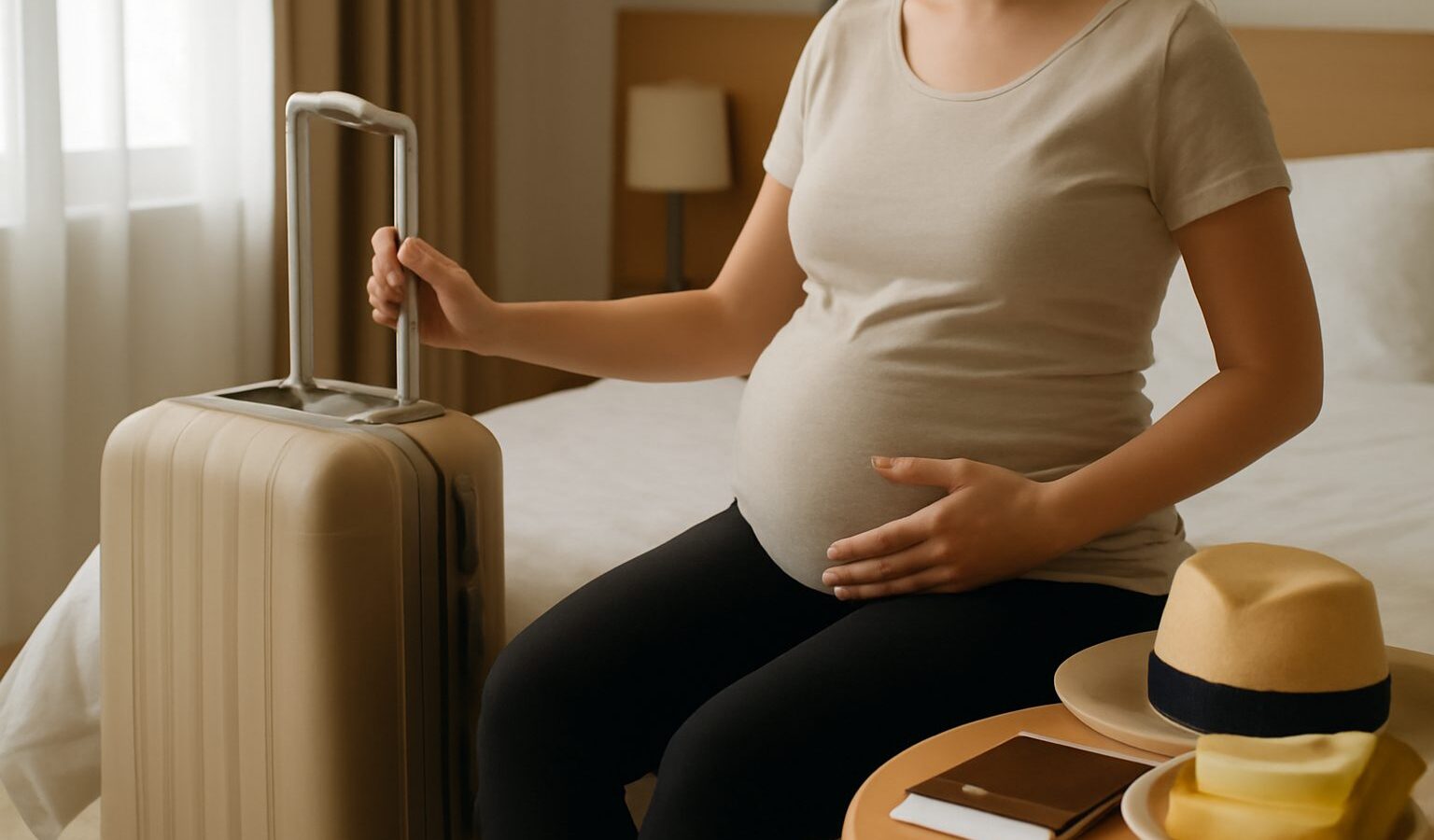
Travelling while pregnant is perfectly possible for most people with a healthy pregnancy, provided you plan around the right timing, know the airline rules, and pack a little extra care. Many couples take a “babymoon” before the baby arrives, and a well chosen trip can be relaxing rather than stressful. This article is general information only and not medical advice. Always consult your doctor or obstetrician before booking, especially if your pregnancy is high risk.
Which trimester is easiest to travel in
Most obstetricians point to the second trimester, roughly weeks 14 to 27, as the sweet spot.
- First trimester: Nausea, tiredness and the higher chance of early miscarriage make many people prefer to stay closer to home.
- Second trimester: Energy usually returns, the bump is still manageable, and the common risks are lower. This is the popular window for a babymoon.
- Third trimester: Fatigue, swelling and the risk of early labour all rise, and airlines tighten their rules as your due date approaches.
Whatever the timing, get the green light from your doctor first, and carry a copy of your maternity notes.
Airline rules on flying while pregnant
Rules for flying while pregnant vary from airline to airline, so check directly with your carrier before you book, then again before you fly.
Common patterns to expect:
- Many airlines allow travel up to around the end of the 36th week for a single pregnancy, and earlier for twins, but the exact cut off differs.
- Several airlines ask for a doctor’s or midwife’s letter after a certain week, typically confirming your due date and that you are fit to fly.
- The letter often needs to be dated close to your travel date, so do not get it too early.
- Long haul carriers and budget carriers can have different policies, even within the same alliance.
Never assume the rule from one trip still applies. Confirm in writing and keep the letter in your hand luggage.
Comfort and health on the journey
Long periods of sitting raise the risk of deep vein thrombosis (DVT), and pregnancy already increases that risk.
To stay comfortable and reduce DVT risk:
- Choose an aisle seat so you can move and use the toilet easily.
- Walk the cabin or carriage every hour or two when it is safe.
- Do gentle ankle circles and calf stretches in your seat.
- Drink water regularly and go easy on caffeine and salty snacks.
- Ask your doctor whether graduated compression stockings are right for you.
- Wear your seatbelt low, under the bump, across your hips.
For road trips, stop often to walk and stretch, and keep water and snacks within reach.
Travel insurance and pregnancy
Standard travel insurance does not always cover pregnancy the way people assume, so read the policy wording closely.
Check specifically for:
- Cover for pregnancy related medical care and unexpected complications abroad.
- Any cut off week beyond which the policy will not cover you.
- Whether a normal, uncomplicated pregnancy counts as a pre existing condition.
- Cover for cancelling the trip if your doctor advises against travel.
- The medical evacuation limit, which matters most for remote destinations.
If anything is unclear, ring the insurer and get the answer in writing. Our guide to travel insurance explained for Singapore walks through the fine print.
Vaccinations and destinations to think twice about
Some travel vaccines and antimalarial medicines are not recommended in pregnancy, which can rule out certain destinations.
- Live vaccines, such as yellow fever, are often avoided in pregnancy, and some countries require proof of that vaccine to enter.
- Zika is spread by mosquitoes and can seriously affect a developing baby, so many doctors advise pregnant travellers to avoid areas with active transmission.
- Malaria zones may need medicines that are not first choice in pregnancy, and the illness itself is more dangerous when you are expecting.
Visit a travel clinic or your doctor well ahead of time to plan safely. Our travel health and vaccinations guide for Singapore explains how far in advance to book.
Food and water safety
A stomach bug is unpleasant for anyone and riskier when you are pregnant, partly because dehydration and some medicines are best avoided.
Sensible habits:
- Stick to freshly cooked, piping hot food.
- Avoid raw or undercooked meat, seafood and eggs, and unpasteurised dairy.
- Drink sealed bottled or properly treated water where the tap water is not safe, and skip ice of unknown origin.
- Peel fruit yourself and wash your hands before eating.
- Be cautious with soft cheeses, cured meats and pre prepared salads, which carry a higher risk in pregnancy.
If you do get an upset stomach, focus on fluids and rehydration, and seek local medical advice rather than reaching for any medicine you are unsure about.
Choosing a pregnancy friendly destination
Where you go matters as much as when.
- Healthcare access: Favour places with good, reachable hospitals over remote spots far from care.
- Climate and comfort: Extreme heat is harder to cope with when pregnant, so factor in the season.
- Journey length: Shorter flights and fewer connections mean less sitting and less fatigue.
- Altitude: Very high altitude can be uncomfortable, so check before booking a mountain trip.
A relaxed beach or city break with easy transport and good facilities is often kinder than an ambitious, fast paced adventure.
Trimester comparison at a glance
| Trimester | Typical energy | Common concerns | Airline rules | Best for |
|---|---|---|---|---|
| First (to wk 13) | Often low, nausea | Early miscarriage risk, tiredness | Usually relaxed | Short, gentle trips |
| Second (wk 14 to 27) | Usually good | Fewest, for a healthy pregnancy | Generally open | Babymoons, longer trips |
| Third (wk 28 plus) | Declining, swelling | Early labour, fatigue | Tighter, letter often needed | Short trips close to home |
A simple pre trip checklist
- Get your doctor’s approval and a signed fit to fly letter if needed.
- Confirm the airline’s rules in writing, twice.
- Buy insurance that clearly covers pregnancy.
- Note the nearest good hospital at your destination.
- Pack maternity notes, any medication and healthy snacks.
- Keep the pace gentle, with rest days built in.
Travelling while pregnant rewards preparation. Choose a comfortable window, get proper medical advice, sort insurance and airline rules early, and you can enjoy a relaxing trip before the busy months ahead.
Explore more: Travel health and vaccinations from Singapore · Travel insurance explained for Singapore · Family travel with kids from Singapore