
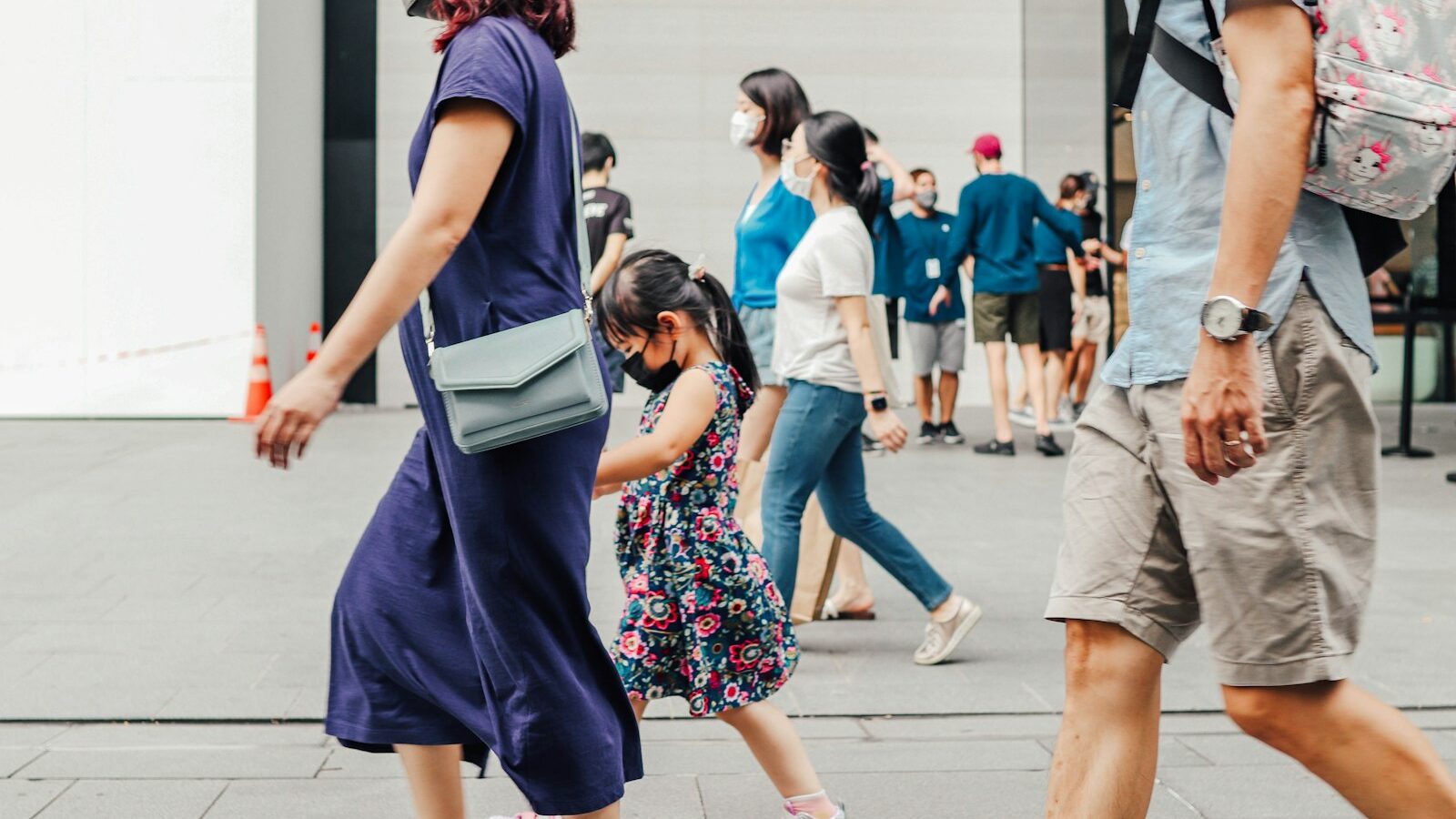
Getting around with a baby or a toddler can feel daunting the first few times, but Singapore’s network is one of the more family friendly systems you will find. Lifts reach most platforms, buses kneel and extend ramps, and priority seats are set aside for exactly your situation. Travelling with children on public transport becomes far less stressful once you have a simple plan, the right gear packed, and a feel for how to board smoothly. This guide gathers the practical tips that make outings with little ones calmer for you and everyone around you.
The goal is not to avoid the crowds entirely, though timing helps, but to move through them with confidence. A well folded pram, a ready hand for your child, and a route you have thought through in advance will carry you through most journeys without fuss.
Prams, Strollers and Boarding Smoothly
A pram is your biggest ally and your biggest logistics puzzle. Most MRT stations have lifts, so plan your route to use them rather than wrestling a loaded stroller onto an escalator, which is unsafe and best avoided. Station maps and transport apps show where the lifts are, and a moment spent checking beforehand saves a lot of backtracking with a tired child.
Buses in Singapore are increasingly wheelchair and pram accessible, with a low floor, a ramp the driver can deploy, and a dedicated bay. When you board, wheel into the bay, apply the brake, and keep a hand on the pram. If the bay is taken by a wheelchair user, they have priority, so you may need to fold and wait for the next bus.
On the train, position the pram where it will not block the doors or the aisle, brakes on, and stay with it. A few habits make boarding painless:
- Approach the widest door and let alighting passengers off first before you wheel on.
- Keep the pram parallel to the seats in a crowd so it takes up less width.
- Pack light. A heavy shopping load hanging off the handles makes a pram tip easily.
- If you must use an escalator with a folded stroller, carry the child separately and hold the handrail.
Priority Seats and Keeping Little Ones Safe
Priority seats exist for passengers carrying young children, and fellow commuters will usually offer theirs the moment they see you. Accept graciously, since a seated adult holding a child is safer than a standing one when the vehicle brakes suddenly. If no one offers and you need to sit, a polite word to someone in a priority seat is perfectly acceptable.
Safety on a moving bus or train comes down to a few steady habits. Hold your child or keep a firm hand on them at all times, especially near doors and gaps. On the MRT, mind the gap between the train and the platform, which can catch small feet and pram wheels. Teach walking toddlers to hold a pole or your hand rather than roam, and keep them clear of closing doors.
Motion can unsettle young children, so face them forward where possible, keep a favourite toy or snack ready for after you alight, and give yourself extra time so you are never rushing them through a turnstile or up a lift.
Planning the Journey Around Your Child
The single biggest stress reducer is timing. Peak hours, roughly early morning and evening, bring the densest crowds, so an outing that starts mid morning or early afternoon is gentler on a small child and on you. Build in buffer time for nappy changes, meltdowns and the slower pace of little legs.
Think through the whole trip before you leave:
- Map the lift access at both your starting station and your destination.
- Note where the nursing rooms and toilets are along the way, since many stations and malls have them.
- Pack a compact bag with water, wipes, a spare change of clothes and a few quiet distractions.
- Have your travel card or phone ready before you reach the gate so you can tap through one handed.
For anything to do with fares, child concessions and how young children are charged, check the official TransitLink, SimplyGo or LTA channels directly, because those rules and figures change and the authorities are the reliable source. It is worth confirming the current position before you rely on it.
Tips by Age and Situation
Children’s needs shift quickly as they grow, and what works for a newborn in a carrier is different from managing an energetic three year old. The table below sums up the practical adjustments at each stage so you can pack and plan accordingly.
| Stage or situation | What helps most | Watch out for |
|---|---|---|
| Newborn in a carrier | Hands free carrier, board via the lift, take a priority seat | Overheating in a crowded, warm carriage |
| Baby in a pram | Use the bus pram bay, brakes on, keep it parallel in crowds | Blocking doors or overloading the handles |
| Toddler learning to walk | Hold hands, teach pole gripping, mind the platform gap | Wandering near closing doors |
| Two children alone | Travel off peak, fold the pram early, one hand per child | Trying to manage both plus bags at rush hour |
| Long or transfer trip | Break the journey, plan nursing and toilet stops | Missing lift access at an interchange |
Use the row that matches your day, and adjust as your child grows. With a little forethought, even a transfer heavy trip across the island is manageable.
Building Confidence Trip by Trip
Your first few outings may feel like a lot to juggle, and that is completely normal. Start with short, familiar journeys at quiet times, get comfortable with the lifts and the boarding routine, then work up to longer trips. Children take their cue from you, so a calm, unhurried parent tends to travel with a calm child.
You will also find that other commuters are generally kind. People make space for prams, offer seats, and often lend a hand up a step. Accept the help, thank them, and pass the courtesy on when it is your turn. Before long, travelling with children on public transport will feel like just another part of your week rather than an expedition to dread.
Explore more
Smooth family trips go hand in hand with good manners on board, so it is worth reading our guide to MRT and bus etiquette for the everyday courtesies that keep a crowded carriage calm. To time your outings well and find lift access before you set off, try planning your commute with transport apps, and check your concession cards and travel passes so every family journey is simple and good value.
Related across Sky Media: Taking Public Transport With Your Pet · Getting Around by Public Transport Abroad