
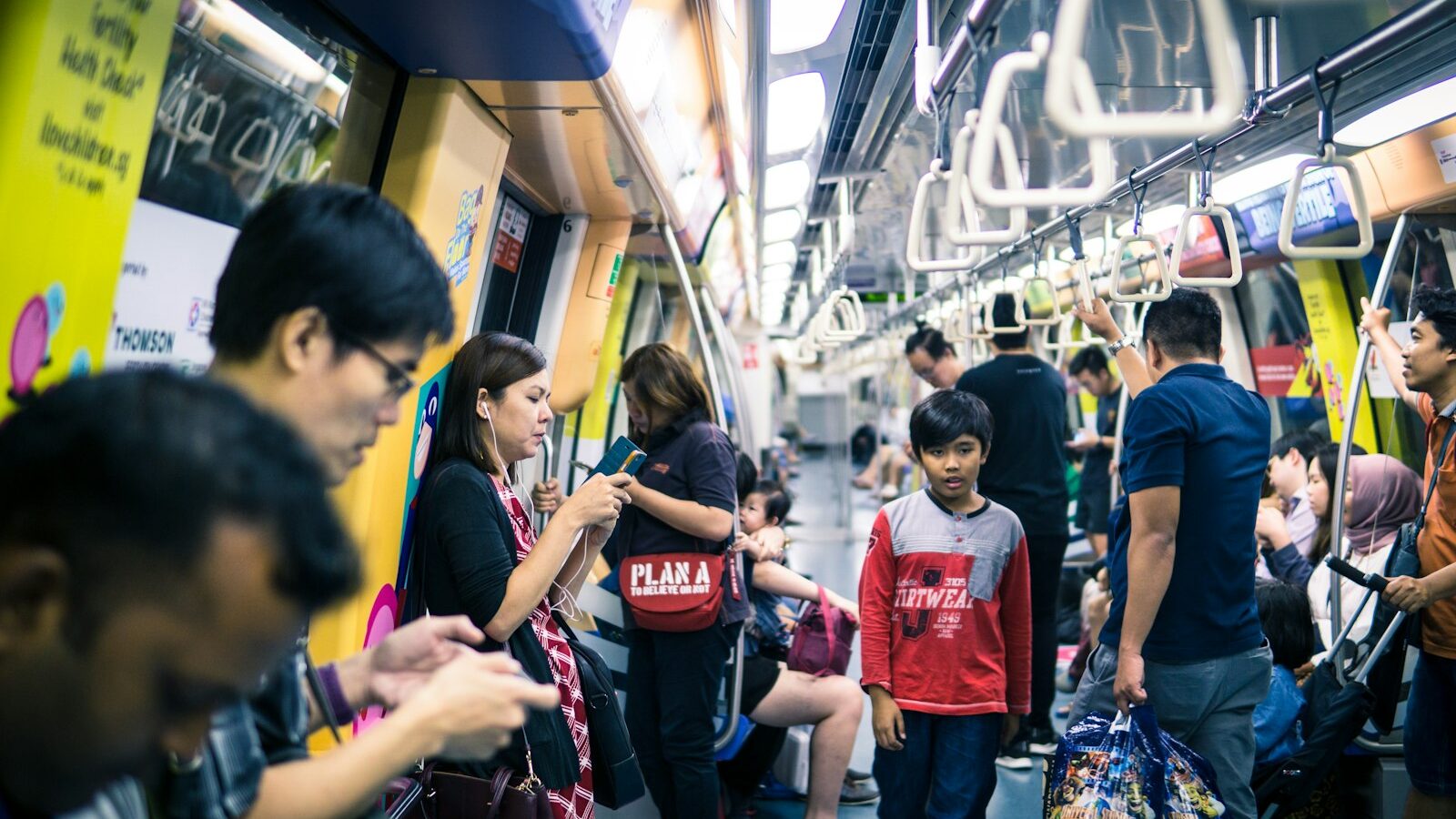
Singapore’s trains and buses move millions of people a day, and they run smoothly partly because most commuters follow a shared set of unwritten rules. Good mrt and bus etiquette is not about stiff formality. It is about small, considerate habits that keep a packed carriage or a full lower deck calm for everyone, whether you are heading to work, ferrying groceries home, or showing a visitor around. Once you know the local rhythm, you move through the network with confidence and rarely draw a sideways glance.
This guide walks through the everyday courtesies that regular commuters take for granted: how to handle priority seats, how the queuing culture works, why food stays firmly in your bag, and how to be considerate on escalators and at doors. None of it is complicated, and most of it becomes second nature within a week or two of riding.
Priority Seats and Giving Way
Every MRT carriage and public bus has clearly marked priority seats, usually in a different colour, reserved in spirit for those who need them more. That means the elderly, expectant mothers, people carrying young children, and anyone with an injury or disability. You are allowed to sit in a priority seat when it is free, but the expectation is that you give it up the moment someone who needs it boards.
The kind thing is to stay alert rather than wait to be asked. If you are absorbed in your phone with earphones in, you may not notice the person standing beside you. A quick glance around when the doors open, and a simple offer of your seat, is the whole of it. Most people will thank you warmly, and some will decline politely, which is fine too.
A few gentle points that regular riders observe:
- Offer your seat even from a normal seat, not only a priority one, if someone clearly needs it more.
- If you are travelling with a small child on your lap, you free up space for others by keeping bags on the floor between your feet.
- Do not pretend to sleep to avoid giving way. Locals notice, and it is the quickest way to earn quiet disapproval.
Queuing and the Art of Boarding
Singapore takes queuing seriously, and the MRT platform is where you see it most clearly. Floor markings show where the doors will open, with arrows guiding you to stand to the sides and leave the centre clear. The rule that underpins everything is simple: let passengers off before you get on. Crowding the doorway the second the train stops only creates a jam that slows everyone, including you.
At bus stops, form a loose queue behind the person who arrived first, and board in turn. Have your card or phone ready before you reach the reader so you are not fumbling while others wait. Tap in when you board, and remember to tap out when you alight, since fares are distance based and the system needs both taps to charge you correctly. For anything to do with fares, cards and top-ups, check the official TransitLink, SimplyGo or LTA channels, because rules and pricing change and those are the authorities.
When a train or bus is crowded, move right into the centre of the carriage or down the aisle rather than clustering by the doors. It sounds obvious, yet it is the single habit that would ease the most congestion during peak hours.
Food, Drink and the Durian Rule
Eating and drinking are not allowed on MRT trains, on the platforms inside the paid area, or on public buses. This is one of the firmer rules, and it is well signposted. The reasoning is practical: spills make floors slippery, smells linger in an enclosed space, and pests follow crumbs. Finish your drink before you tap in, or keep it sealed in your bag until you are out of the station.
Durian gets its own famous sign. The much loved fruit is barred from trains and buses entirely because of its powerful aroma, which fills a carriage in seconds and does not fade. If you have just bought some, wrap it well and consider a taxi or private hire ride instead. The same courtesy applies to any strongly scented takeaway. A sealed bag and a bit of thought go a long way.
Water is a grey area many commuters handle sensibly. A discreet sip if you feel unwell is understood, but a full meal or a bubble tea in hand is not.
Escalators, Doors and Moving Through
Two more habits smooth your journey through the stations themselves. On escalators, stand on the left if you are not walking, leaving the right side clear for people in a hurry. It keeps foot traffic flowing at busy interchanges where thousands pass through in minutes.
At train doors, step aside to let people out first, then board. Do not lean on the doors or block them from closing to squeeze in a friend, since a held door delays the whole line behind. If a train is full, wait for the next one, which is usually only a couple of minutes away.
A short list of everyday considerations that make you an easy commuter to share space with:
- Keep backpacks off your back in a crowd, carrying them low or in front so you do not knock people.
- Lower your voice on calls and keep music to your earphones, never on a speaker.
- Give way to prams, wheelchairs and anyone using the lift, which they may need more than you do.
- Mind where you stand so you are not blocking the aisle or a fold-down seat someone is trying to reach.
Being a Considerate Commuter: Do and Don’t
The whole culture boils down to reading the room and leaving space, physical and social, for the people around you. The quick reference below captures the everyday choices that separate a smooth commute from a tense one.
| Situation | Do this | Avoid this |
|---|---|---|
| Priority seat is free | Sit, but give it up when someone needs it | Feigning sleep to keep the seat |
| Doors open at your stop | Let people off, then board | Rushing on before others alight |
| Carrying a large bag | Hold it low or between your feet | Wearing a backpack in a packed carriage |
| Taking a phone call | Speak softly, keep it brief | Video calls on speaker |
| Riding the escalator | Stand left, walk on the right | Standing two abreast and blocking |
Follow the spirit of that table and you will rarely put a foot wrong. Etiquette here is less a rulebook than a shared understanding that a little consideration, multiplied across a full carriage, makes the daily journey pleasant for all.
Explore more
If you want to keep your journeys smooth, pair good manners with good planning by planning your commute with transport apps so you always know the quickest route and the next arrival. Families will find related pointers in our guide to travelling with young children on public transport, and it is worth understanding your concession cards and travel passes to make each trip simpler and better value.