
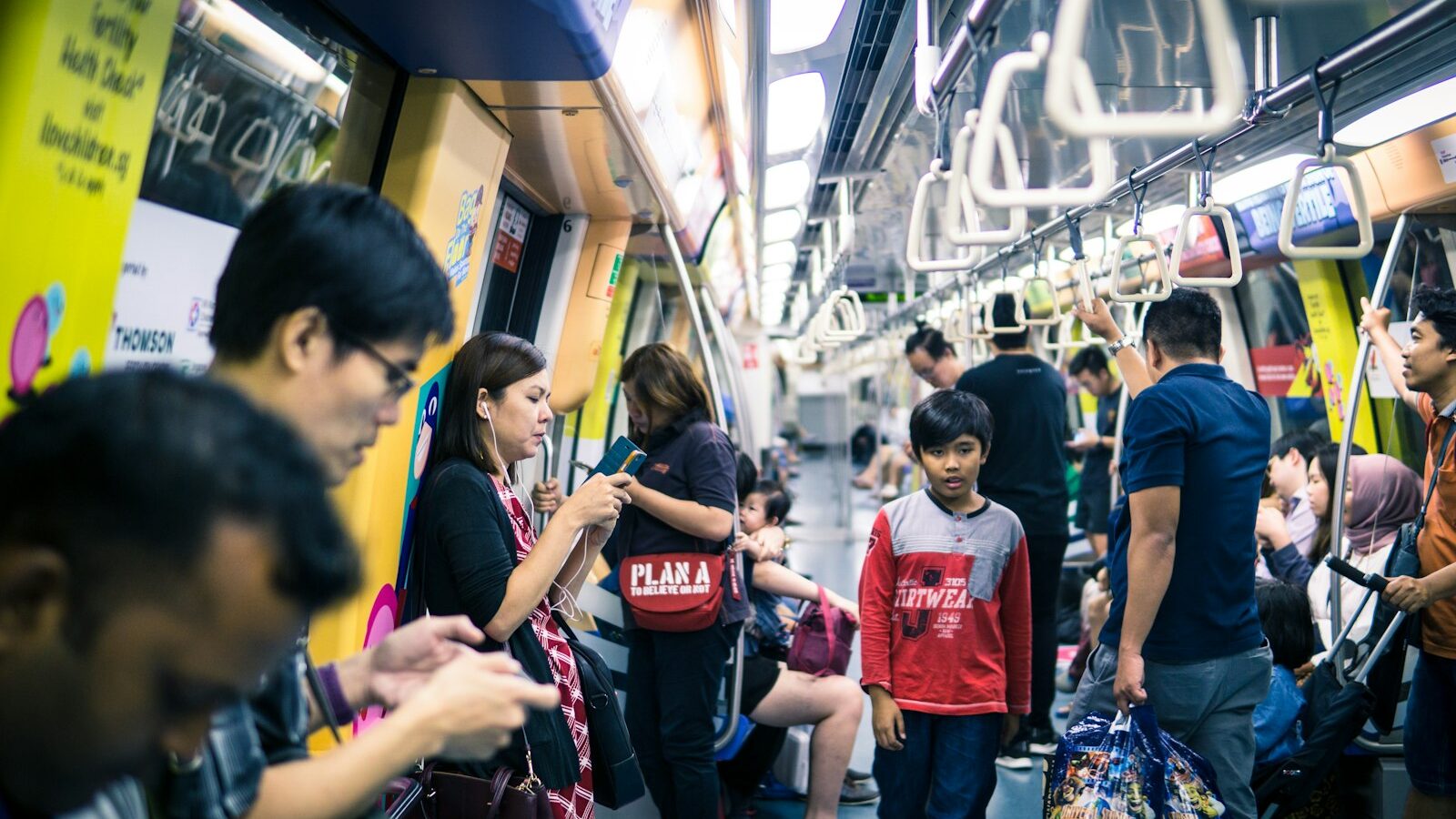
Getting around a dense island without a car often means the MRT, a bus or a ride-hailing app, and at some point most owners wonder how their animal fits into that. Taking public transport with pets in Singapore is possible, but it comes with real limits, and the rules exist to keep other commuters, and your pet, safe and comfortable. This guide walks through what is generally allowed, how to prepare a carrier, the alternatives when the train is off the table, and how to manage the heat on the way. Treat it as a starting point and always confirm the current position before you set off.
Know the Rules Before You Travel
Public transport rules are set by the Land Transport Authority and the individual operators, and they can change, so the single most important habit is to check the current rules on the official LTA and operator channels before every unfamiliar trip. As a general rule of thumb that has long applied here, pets are not freely allowed to roam on trains and public buses. Where a pet can be brought aboard, it is normally expected to be fully contained in a proper, secure carrier so it cannot escape, soil the vehicle or trouble other passengers.
A key exception is certified guide dogs and other recognised assistance dogs, which are permitted to accompany their handlers on public transport. This is a legal accommodation for people with disabilities, not a loophole for pet dogs, and staff may ask about the dog’s working status.
Because interpretations and specific conditions vary, keep these points in mind:
- Confirm before you commit. Rules on which services allow carried pets, and under what conditions, are the operator’s to set. Check first rather than risk being turned away at the gantry.
- A pet in a carrier is not a guaranteed right. Staff may still refuse entry if a service is crowded or if the carrier is unsuitable, so have a backup plan.
- Never let a pet loose on a platform, train or bus. Even a calm dog can bolt in an unfamiliar, noisy space.
Choosing and Using a Pet Carrier
A good carrier is the difference between a smooth trip and a stressful one. It should be sturdy, well ventilated on multiple sides, and large enough for your pet to stand, turn and lie down, yet compact enough to hold on your lap or between your feet without blocking the aisle. A secure zip or latched door is essential, and a firm, non-collapsing base helps a nervous animal feel steady.
Get your pet used to the carrier long before travel day. Leave it open at home with familiar bedding and treats inside so it becomes a safe den rather than a trap that only appears before a frightening journey. Practise short carries around the flat, then to the void deck, building up gradually.
On the day itself:
- Line the base with an absorbent pad in case of accidents, and pack a spare plus wipes and a small waste bag.
- Skip a heavy meal right before travel to reduce the chance of car sickness or soiling, but do offer water beforehand.
- Attach ID. Your pet should be microchipped and, for dogs, licensed; a tag with your contact number adds a layer of safety if the worst happens.
- Keep the carrier level and avoid swinging it. Hold it close so your pet feels your presence.
- Cover it partially with a light, breathable cloth if your pet calms in dimmer surroundings, but never block airflow.
For cats, small dogs and small animals, a carrier is the norm anyway. For larger dogs that cannot fit a carrier, public trains and buses are usually not a realistic option, which brings us to the alternatives.
Comparing Your Travel Options
Different trips suit different modes. Use this comparison to plan, remembering that specific pet policies for taxis and private-hire rides are set by each operator or driver and should be confirmed when booking.
| Option | Pet allowed? | Best for | Watch out for |
|---|---|---|---|
| MRT and public bus | Generally only if fully carried in a proper carrier; confirm current rules | Small pets in carriers, short to medium trips | Crowds, being refused entry, no loose pets |
| Assistance dog on public transport | Yes, certified guide and assistance dogs | Handlers with disabilities | Applies to working dogs, not pet dogs |
| Taxi | Depends on operator and driver policy | Vet trips, larger dogs, wet weather | Book a pet-friendly option, extra cleaning terms may apply |
| Private-hire car | Depends on the platform’s pet setting and driver | Door-to-door comfort | Select the pet option, never assume, tip for cleaning |
| Dedicated pet transport service | Yes, that is their purpose | Multiple pets, crates, longer distances | Book ahead, cost is higher |
| Walking or your own transport | Yes | Short local hops, dog runs nearby | Heat, pavement temperature, traffic |
Beating the Heat and Keeping Calm
Singapore’s heat and humidity are the biggest hidden risk on any pet journey. A closed carrier warms up fast, and a distressed animal can overheat quickly. Flat-faced (brachycephalic) breeds such as pugs, French bulldogs and Persian cats, along with very young, elderly or unwell pets, are especially vulnerable and struggle to cool themselves.
To keep the trip safe and comfortable:
- Travel in cooler parts of the day where you can, avoiding the midday peak.
- Never leave a pet in a stationary vehicle, not even for a minute, as temperatures inside climb dangerously.
- Watch for heat stress: heavy panting, drooling, bright red gums, wobbliness or collapse. If you see these, move to a cool, shaded, ventilated spot, offer small sips of water, and get to a vet urgently.
- Minimise waiting in hot, unsheltered spots. Plan routes with sheltered walkways and air-conditioned stretches.
- Bring water and a small collapsible bowl for longer outings.
Keeping your pet calm matters too. Speak softly, avoid crowded rush hours, and if your animal is deeply fearful of travel, ask your vet about options; do not medicate on your own, as dosing and suitability are decisions for a licensed vet.
Travelling Responsibly and Handling Problems
Being a considerate traveller keeps public spaces welcoming for pet owners as a whole. Clean up immediately after any accident, keep your carrier out of walkways, and give a wide berth to commuters who are nervous around animals or allergic. A single well-managed trip builds goodwill; one loose, barking dog undoes it for everyone.
Plan for things going wrong. Know where a 24-hour emergency vet is along your route, keep your vet’s number saved, and carry a small kit with water, wipes, a spare pad and a waste bag. If your pet escapes in a public area, stay calm, avoid chasing, and use treats and a familiar voice to coax it back; alert station or bus staff so they can help and slow things down safely.
A few final reminders for responsible travel with pets:
- Only keep and transport AVS-approved animals, and follow current NParks AVS rules on ownership and, for dogs, licensing.
- Report injured strays or wildlife you encounter to the appropriate bodies such as AVS, ACRES or NParks rather than handling them yourself.
- This is general guidance, not a substitute for official rules or veterinary advice. Confirm current LTA and operator policies before travelling, and see a licensed vet for any health or fitness-to-travel concerns.
With the right carrier, a cool head and a check of the current rules, most owners can get their pet where it needs to go without drama. Prepare early, keep your animal contained and comfortable, and always put safety, both your pet’s and other commuters’, first.