
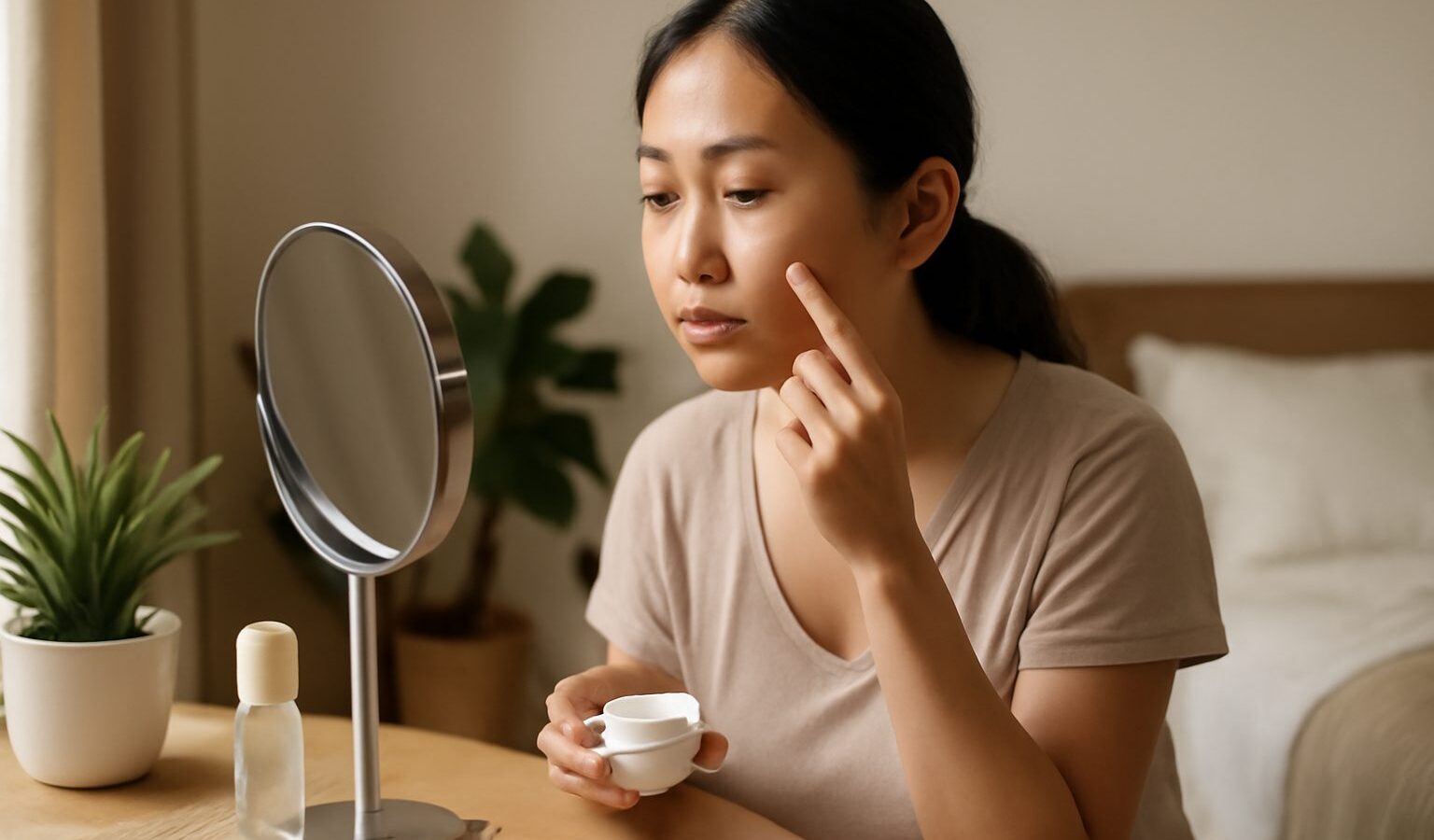
Acne scars are one of the most frustrating reminders that a breakout leaves behind, and in Singapore’s humid climate, where sweat and clogged pores keep acne common, many people carry them well into adulthood. The good news is that scarring can often be improved. The honest news is that treating acne scars is a slow, layered process with realistic limits, not a single magic session. This guide explains the main scar types in plain language and the range of professional options available, so you can have a better-informed conversation with a doctor. It is general information only, not dermatological or medical advice.
Telling Scars Apart From Marks
Before treating anything, it helps to know what you are actually looking at, because the two most common concerns need very different approaches.
- True scars are changes in the skin’s texture. They happen when acne damages the deeper layer of skin, and the body’s healing process leaves either a depression or a raised area.
- Marks, more accurately post-inflammatory hyperpigmentation or redness, are flat changes in colour left after a spot heals. These are very common on medium and deeper skin tones and often fade on their own over months, especially with diligent daily sunscreen.
This distinction matters because flat dark or red marks are not textural scars, and many fade with time, sun protection and patience alone. Textural scars, on the other hand, usually need a professional treatment to improve. If you are unsure which you have, a qualified doctor can tell you at a consultation.
The Main Types of Textural Scars
Textural acne scars are commonly grouped into a few general categories. Knowing the rough type helps you understand why one treatment is suggested over another.
- Atrophic scars are depressed or sunken. They are often broken down further into narrow, deep “ice-pick” scars, wider “boxcar” scars with defined edges, and soft, rolling scars that give skin an uneven, wavy look.
- Hypertrophic and keloid scars are raised. These are firmer, sit above the skin, and are more common on some skin tones and on areas like the jaw, chest and back.
Different scars respond to different techniques, and most people have a mix, which is exactly why a one-size treatment rarely works and why assessment by a professional matters.
The Range of Professional Options
There is no single best treatment for treating acne scars. A doctor typically combines methods over several sessions and tailors them to your scar types, skin tone and budget. The options below are described generically to explain how they work, not to recommend any one for you.
| Approach | How it broadly works | Often considered for |
|---|---|---|
| Laser resurfacing | Uses light energy to remodel skin and prompt new collagen | Rolling and boxcar scars, texture |
| Microneedling | Fine needles create controlled micro-injuries to spur repair | General texture, mixed atrophic scars |
| Subcision | A blunt instrument releases fibres tethering a scar down | Rolling, tethered depressed scars |
| Chemical peels | Controlled exfoliation removes and renews surface layers | Shallow scars and uneven marks |
Other approaches a doctor may discuss include injections for raised keloid scars, or filling techniques for certain depressions. Each has its own suitability, downtime and risks. On deeper skin tones, some devices and settings carry a higher chance of pigment changes, so an experienced practitioner who treats diverse skin is important. The point is not to self-prescribe from this list, but to know the landscape before you talk to a professional.
Safety, Regulation and Choosing a Provider
This is where care matters most. Lasers, energy devices, clinical-depth microneedling, subcision and medium to deep peels are medical or regulated aesthetic procedures. In Singapore they should be carried out only by a qualified, MOH-registered doctor or an appropriately trained, licensed practitioner working in a proper clinic. This is not a formality; the wrong device, depth or setting in untrained hands can cause burns, infection, or worse scarring and pigment problems than you started with.
Be especially wary of unregulated providers and deals that look too cheap. Warning signs include treatments offered in non-clinical settings, pressure to buy large packages on the spot, vague answers about who is actually performing the procedure, and dramatic before-and-after promises. A trustworthy consultation should cover your medical history, realistic expected results, the number of sessions likely needed, the downtime, the risks for your particular skin tone, and the total cost.
Home devices marketed for scars, such as gentle at-home microneedling rollers or LED gadgets, are far weaker than clinical equipment and are not equal to in-clinic treatment. If you use one, follow the instructions exactly, keep it scrupulously clean, and stop if your skin becomes irritated. If you are pregnant or breastfeeding, or take medication that affects your skin, check with your own doctor before any treatment or new active.
Managing Expectations Honestly
The most useful thing to hold on to is realistic hope. Professional treatment can often make acne scars noticeably less obvious, smoother and easier to cover, and that improvement can be genuinely life-changing for confidence. What it usually cannot do is erase scars completely or deliver perfect skin in one visit. Most people need several sessions spaced out over months, and results build gradually.
A few honest points to keep in mind:
- Sun protection is non-negotiable. In Singapore’s strong year-round sun, daily broad-spectrum sunscreen protects your results and stops marks from darkening further.
- Get active acne under control first. Treating scars while new breakouts keep forming is like patching a leaking roof in the rain, so a doctor may address the acne before the scarring.
- Patience pays. Collagen remodelling takes weeks to months, so resist judging results too soon or jumping between clinics.
Acne scars are common, and you are not stuck with them, but treating them well means working with the right professional, not against your own skin. This article is general information only. For a proper assessment and a plan suited to you, see a doctor or dermatologist, choose a licensed and reputable clinic, and patch-test any new product before you use it fully.