
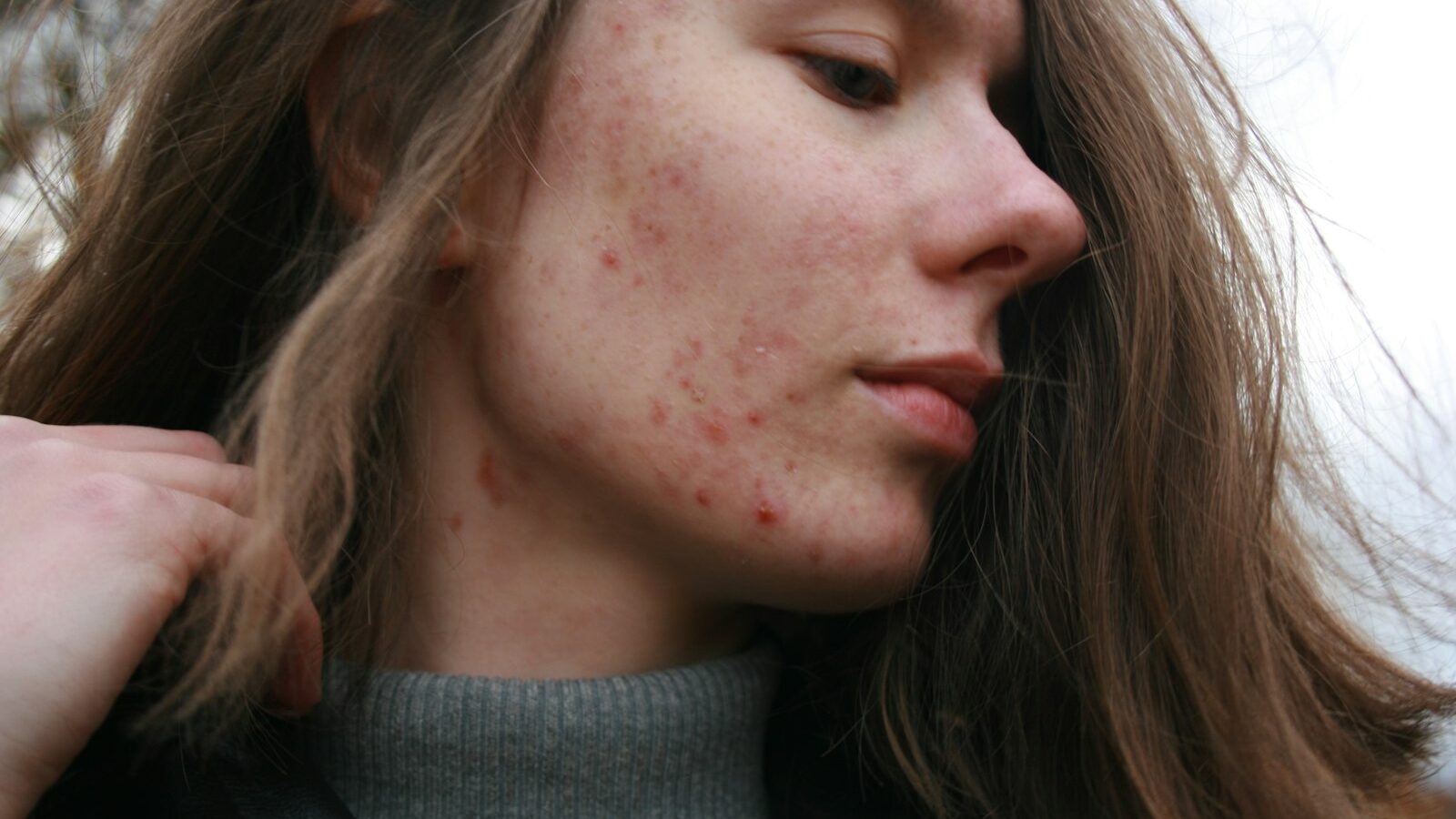
Acne is one of the most common skin concerns, and it is not limited to teenagers. Plenty of adults in Singapore deal with breakouts too, and the warm, humid climate does not make it easier. If you are looking at acne treatment in Singapore, the choices can feel overwhelming, from drugstore products to facials, clinic procedures and prescription medication. This guide explains how acne works, what the main treatment routes involve, and how to decide when it is time to see a professional rather than keep experimenting on your own.
Understanding What Acne Actually Is
Acne happens when hair follicles become blocked with oil and dead skin cells. Bacteria can then multiply inside the blocked pore, leading to inflammation. Hormones, genetics, stress, certain products and friction all play a part, which is why two people with similar habits can have very different skin.
Not all breakouts are the same, and the type you have influences which treatment is likely to help.
- Blackheads and whiteheads are non inflamed clogged pores.
- Papules and pustules are the red or pus filled spots most people call pimples.
- Nodules and cysts are deeper, painful lumps that are more likely to scar.
Mild, non inflamed acne often responds to a consistent routine and over the counter products. Deeper, painful or scarring acne usually needs professional care sooner rather than later, because delaying treatment raises the risk of permanent marks.
Over-the-Counter and Everyday Approaches
Many milder cases improve with a simple, steady routine and a well chosen active ingredient. The key is consistency and patience, since most treatments take several weeks to show results. Introduce one product at a time and stop if the skin becomes very irritated.
Commonly available options include:
- Salicylic acid (BHA) cleansers and toners, which help clear clogged pores.
- Benzoyl peroxide gels, which target acne bacteria and reduce inflammation.
- Adapalene, a retinoid available over the counter in some products, which helps with clogged pores and texture over time.
- Niacinamide serums, which support the skin barrier and can calm redness.
Pair any active with a gentle cleanser, a lightweight moisturiser and daily sunscreen. Over washing and harsh scrubbing tend to make things worse. If oiliness is a big part of your picture, our guide to managing oily skin in Singapore covers the routine basics in more detail.
Clinic and Prescription Options
When over the counter care is not enough, or when acne is deep, widespread or scarring, a doctor can offer stronger and more targeted treatment. This is where professional assessment matters, because prescription treatments carry considerations that need medical supervision.
The table below gives a general overview of the main routes. It is not a recommendation, and suitability, sequence and any device based procedure should be confirmed with a qualified professional.
| Approach | What it broadly involves | Best suited to | Where to go |
|---|---|---|---|
| Over-the-counter products | Salicylic acid, benzoyl peroxide, adapalene | Mild, non-inflamed acne | Pharmacy, retail |
| Topical prescriptions | Prescription-strength retinoids, antibiotics | Moderate acne | GP or dermatologist |
| Oral prescriptions | Antibiotics, hormonal options, oral retinoids | Moderate to severe acne | Doctor or dermatologist |
| In-clinic procedures | Chemical peels, extractions, light or laser devices | Selected cases, often as add-ons | Clinic with a qualified provider |
| Scar treatment | Resurfacing, microneedling, laser | Post-acne marks and scars | Dermatologist or aesthetic clinic |
Costs vary widely depending on the provider, the treatment and how many sessions are needed, so ask for a clear breakdown before committing. Be cautious of packages that promise guaranteed or permanent results, and check that any aesthetic device used is appropriate and that the provider is HSA-licensed where relevant.
It also helps to think about sequence rather than picking a single miracle fix. Doctors often start by calming active breakouts, then address any leftover marks or scarring once the skin has settled. Trying to treat everything at once, or jumping straight to laser while acne is still inflamed, can irritate the skin and waste money. Post acne marks, the flat brown or red patches many people mistake for scars, often fade on their own with time and sun protection, so it is worth asking your doctor to distinguish those from true scars before paying for resurfacing.
Choosing Where to Get Help
For persistent, painful or scarring acne, a doctor is the safest starting point. A general practitioner can manage many cases and refer you onward if needed, while a dermatologist offers specialist care for stubborn or severe acne. Aesthetic clinics may offer procedures such as peels and laser as complements to medical treatment, not usually as replacements for it.
A few practical pointers when choosing a provider:
- Ask what the plan is, roughly how long it should take, and what the expected costs are.
- Be wary of anyone discouraging you from seeing a doctor for clearly severe acne.
- Give each treatment a fair trial before switching, as most need weeks to work.
Our dermatologists in Singapore guide can help you understand what to expect from specialist care.
Protecting Your Skin While You Treat It
Whatever route you take, everyday habits support your results. Sun protection matters because many acne treatments increase sensitivity to sunlight and because sun exposure can darken marks left behind by old spots. Our guide to sunscreen and sun protection in Singapore is worth a read. Resist picking or squeezing, which pushes inflammation deeper and raises the risk of scarring. If your skin is easily irritated by actives, the tips in our sensitive skin care in Singapore guide can help you build a gentler routine.
This article is general information, not personalised medical advice. Individual suitability, prescription options and any procedure should be discussed with a doctor or an HSA-licensed provider, and current product claims and prices should be confirmed with the provider directly.
Explore More
To round out your skincare knowledge, pair this with managing oily skin in Singapore and our dermatologists in Singapore guide. If breakouts flare during hazy periods, haze skincare in Singapore offers extra pointers for protecting your skin.