
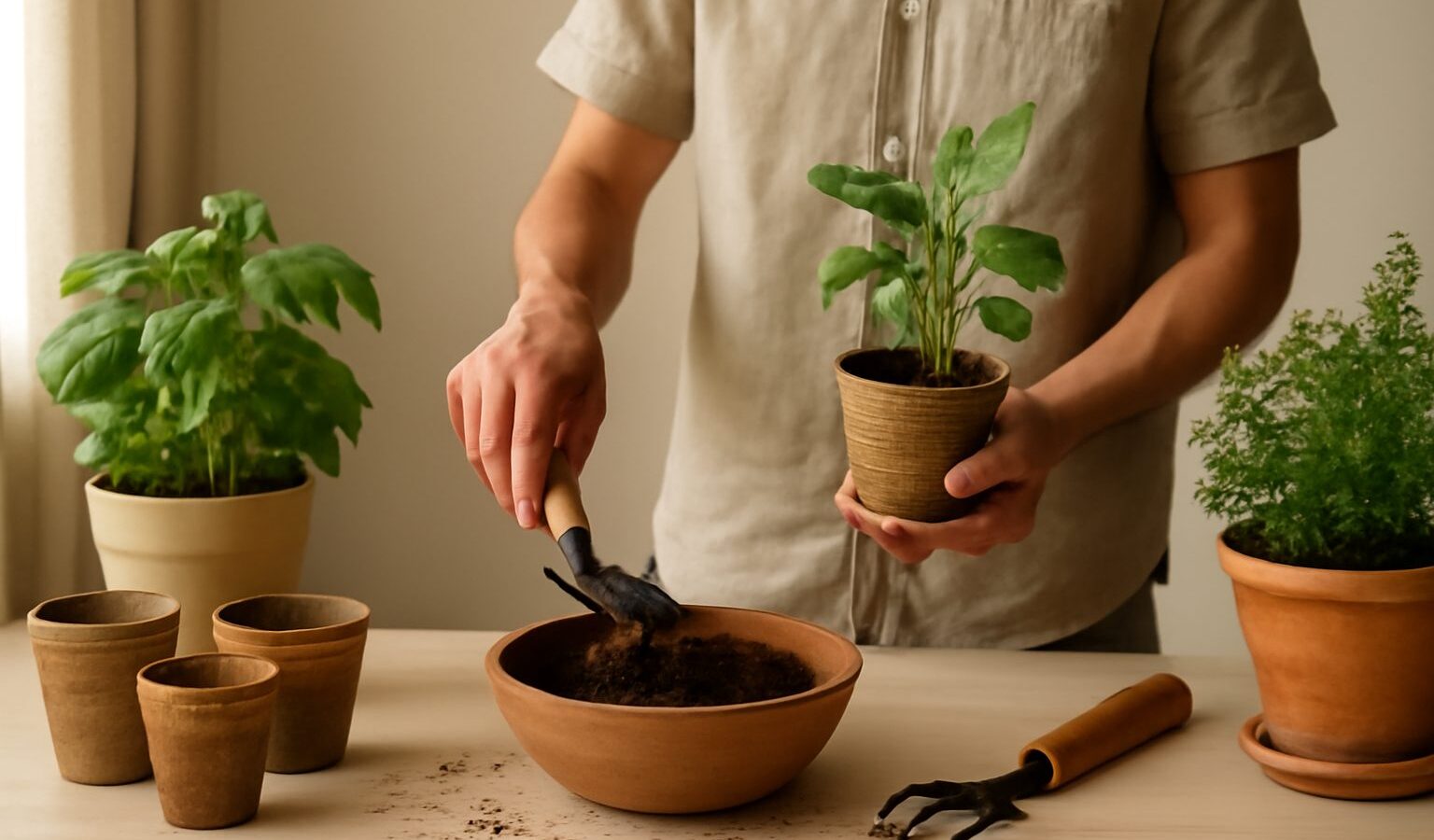
Gardening already feels green, but a lot of common gardening habits quietly work against the environment. Bags of peat, single-use plastic pots, chemical feeds and wasted water all add up. Sustainable gardening in Singapore is about closing those loops, growing well while sending less to the bin and buying fewer new resources. The good news is that our warm, humid, year-round growing climate makes many sustainable practices easier, because compost breaks down fast, cuttings root readily, and plants grow with little coaxing. This guide keeps things practical, with changes you can make on a balcony, a corridor garden or a windowsill.
Going peat-free and building better soil
Peat deserves a closer look, because it is the least visible problem in most potting mixes. Peat comes from peat bogs, which are wetlands that store enormous amounts of carbon and take thousands of years to form. Digging peat for gardening releases that stored carbon and destroys rare habitats, and once a bog is stripped it does not come back in any human timeframe. The encouraging part is that peat is easy to avoid, because good alternatives are widely available and often work just as well in our climate.
The main peat-free ingredients are coconut coir, which behaves much like peat and is a by-product of the coconut industry, along with well-made compost, composted bark and materials like perlite or burnt earth for drainage. You can buy peat-free mixes or blend your own, adjusting the recipe to the plant. Succulents want more grit and drainage, while leafy tropicals want more moisture-holding coir and compost. If you would like to mix your own, making your own potting mix in Singapore walks through the ratios, and the single most sustainable soil ingredient is compost you made yourself.
Composting is the engine of a sustainable garden. It turns kitchen scraps and plant trimmings into free, rich soil food, keeps waste out of the bin, and closes the loop so you buy less. In our heat, a compost bin works quickly, and even flat-dwellers can compost on a small scale. How to make compost at home in Singapore covers the methods, and you can go further by turning peels and scraps into liquid feed, as in DIY organic fertilisers from kitchen waste in Singapore. Home-made compost and feed replace bagged, shipped products and improve your soil at the same time.
Water, waste and everyday sustainable habits
Water is precious, and in a hot climate it is easy to waste. Watering in the early morning or evening reduces evaporation, mulching the top of your pots keeps moisture in and cuts how often you water, and grouping thirsty plants together makes watering efficient. Our monsoon rain is a free resource too, and collecting rainwater in a covered container gives you soft water for your plants, as long as you keep it covered to avoid breeding mosquitoes, which is both a health and a legal matter here. Choosing plants suited to your conditions is the deepest water saving of all, because a plant matched to its spot needs far less pampering than one fighting to survive.
Waste is the other big lever, and containers are the easiest place to start. Instead of buying new plastic pots, reuse and upcycle what you already have, from tins and tubs to old buckets, as long as you add drainage holes. Nursery pots can be washed and used again, and old potting mix can be refreshed and reused rather than binned. Upcycling containers for your plants in Singapore is full of ideas for this. Sharing is sustainable too, since swapping cuttings and dividing plants with friends spreads greenery without anyone buying more.
A few more habits round out a sustainable garden. Choose organic or gentle pest controls and use even natural sprays like neem sparingly, as directed, and never on pollinators, since a garden that welcomes bees and beneficial insects needs fewer sprays anyway. Save seeds from your best plants so you buy fewer packets each year. Buy tools that last and maintain them rather than replacing cheap ones. Repair and reuse before you replace. None of this needs to happen at once. Pick one change, such as switching to a peat-free mix or starting a compost bin, let it become a habit, then add the next. Over a season these small choices add up to a garden that grows beautifully while treading a lot more lightly.