
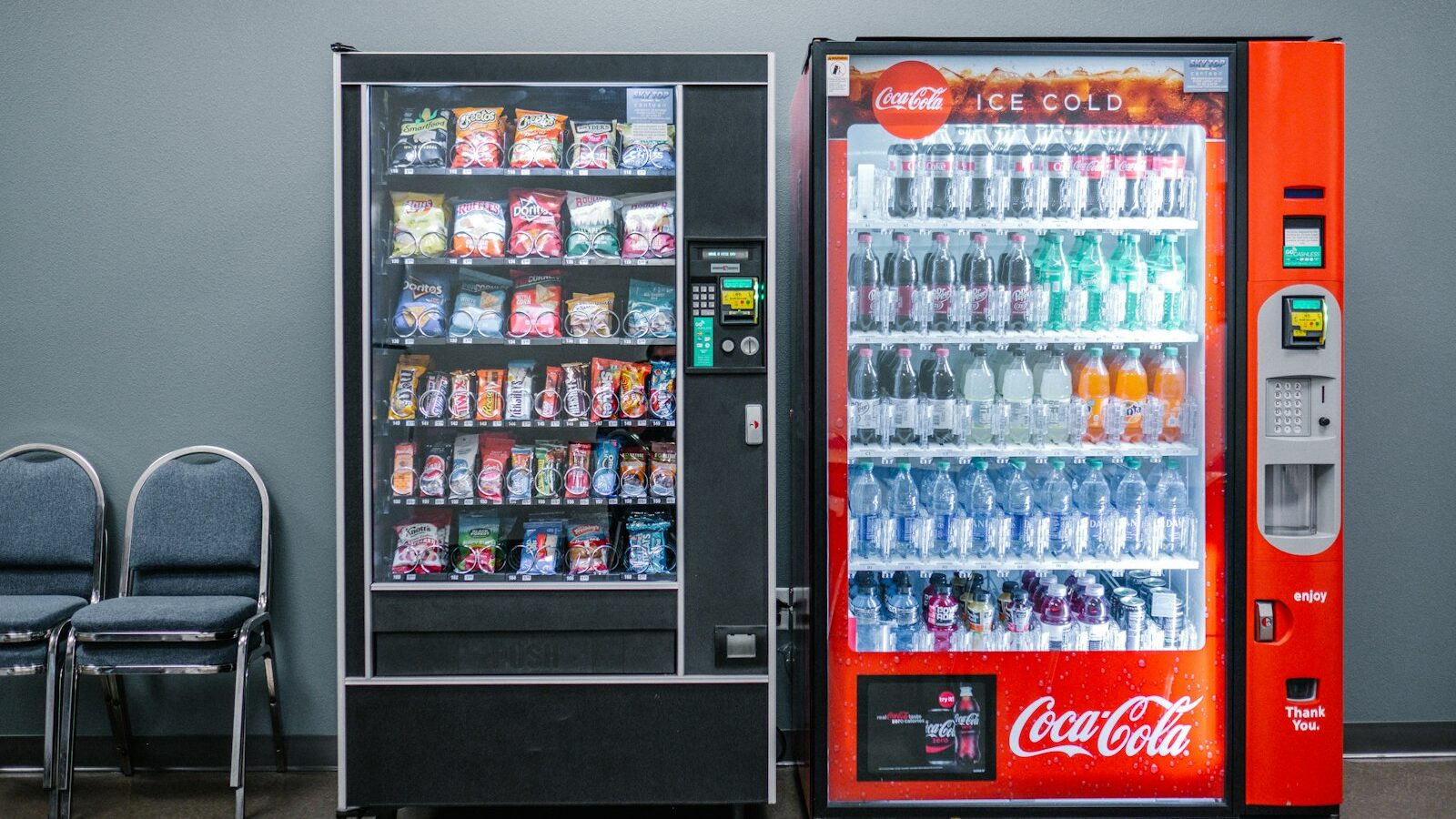
If you have ever stood in a shopping mall holding an empty water bottle and wondered where to put it, this guide is for you. Reverse vending machines Singapore has been rolling out are a friendly, low effort way to recycle your drink bottles and cans on the spot. You feed in the empty container, the machine reads it, and it drops into the right stream for recycling. No sorting, no fuss, and often a small thank you in return. Here is how they work, where you might find one, and how to make the most of them without overthinking it.
What A Reverse Vending Machine Actually Does
A reverse vending machine is basically a recycling bin with a brain. Instead of guessing whether your bottle counts as recyclable, the machine scans the barcode, checks the container type, and accepts it if it fits the scheme. Most machines are built to take empty plastic drink bottles and aluminium cans, the everyday sort you finish on the go.
The point of these machines is quality. When bottles and cans are collected cleanly and kept separate from food waste and other rubbish, far more of the material can actually be turned into something new. A regular blue bin does a good job for mixed recyclables, but contamination is its enemy. A reverse vending machine sidesteps that problem by only accepting specific, clean containers, one at a time.
In Singapore, container return sits within a national effort called the Beverage Container Return Scheme. The scheme is designed to give drink containers a clear path back into recycling, and reverse vending machines are one of the tools that support it. Because the details of the scheme, including how returns are handled and what you get back, can change over time, always check NEA’s official guidance for the current rules rather than relying on hearsay.
How To Use One, Step By Step
The good news is that these machines are designed for people in a hurry. You do not need an app, a class, or any special knowledge. A typical flow looks like this.
- Finish your drink and give the bottle or can a quick shake to empty out any leftover liquid.
- Keep the container whole. Do not crush it flat, because the machine needs to scan and identify it.
- Leave the cap on or off according to the on screen instructions, which vary by machine.
- Insert one container at a time into the opening, barcode facing where the machine can read it.
- Wait for the screen to confirm it has been accepted, then feed in the next one.
- Follow any prompt at the end if the machine offers a return, reward, or acknowledgement.
If the machine rejects a container, do not take it personally. It usually means the item is outside what that machine accepts, the barcode could not be read, or the container is damaged. Try smoothing out a crumpled label, or simply take that item to a normal recycling bin instead.
What Goes In And What Stays Out
Reverse vending machines are picky on purpose, and that is a feature, not a bug. Knowing what they will and will not take saves you a wasted trip to the slot. As a rule, they handle empty beverage containers, not general packaging or food waste.
| Item | Reverse vending machine | Better option |
|---|---|---|
| Empty plastic drink bottle | Usually accepted | Blue bin if no machine nearby |
| Empty aluminium drink can | Usually accepted | Blue bin if no machine nearby |
| Glass bottle | Often not accepted | Check NEA guidance and blue bin rules |
| Bottle still full of liquid | Rejected | Empty it first, then insert |
| Crushed or torn container | Often rejected | Recycle in the blue bin instead |
| Food container or takeaway box | Not accepted | Rinse and use the blue bin |
When in doubt, remember the simple test. Is it an empty drink bottle or can, still in one recognisable piece? If yes, the machine will probably love it. If it is greasy, full, glass, or a random bit of plastic packaging, it belongs elsewhere. For anything unclear, NEA’s guidance is the source of truth on what the scheme currently covers.
Where To Find Them In Singapore
Reverse vending machines tend to appear in places with plenty of foot traffic, because that is where empty drink containers pile up fastest. Think shopping malls, community spaces, supermarkets, transport nodes, schools, and some public buildings. Placement changes as the programme grows, so the machine you used last year might have moved, and new ones may have popped up near you.
For everyday HDB and condo living, the machines are best treated as a convenient extra rather than your only option. If you pass one on the way to the MRT or while doing the weekly grocery run, bring along the empties that have been gathering on your kitchen counter. If there is no machine on your usual route, the blue recycling bins at the foot of your block still do the job for clean bottles and cans. You are not failing at recycling just because you used a bin instead of a machine.
To find current locations, look to official channels rather than memory. NEA and scheme operators publish up to date information, and that is where you will get the accurate picture of where machines are and what they accept today.
Making It A Habit Without The Guilt
The secret to using these machines is not willpower, it is placement. Keep a small bag or box near your door for empty bottles and cans, so collecting them takes no thought. When the bag is full, it goes out with you on your next trip past a machine or a blue bin. That is the whole system.
A few gentle pointers to keep it easy:
- Rinse containers with the last splash of water from your bottle so they do not smell in Singapore’s heat.
- Do not hoard empties for weeks. A humid kitchen and old drink dregs are not a good mix.
- Bring children along. Feeding bottles into a machine is oddly satisfying and teaches recycling early.
- Do not chase perfection. A missed bottle here and there does not undo the good you are doing.
Reverse vending is one small tool in a much bigger picture that includes the blue bins, second hand habits, and cutting waste before it starts. Use the machines when they are handy, lean on the blue bin when they are not, and let the effort feel light. Singapore’s Green Plan 2030 leans on millions of small, ordinary actions like this one, and yours counts.
Explore More
Reverse vending is just one slice of everyday recycling. If you want to get the basics right, read our guide on how to recycle glass, metal and paper in Singapore and learn to decode packaging with understanding recycling symbols and labels. For the trickier stuff, see soft plastics and what you cannot recycle.