
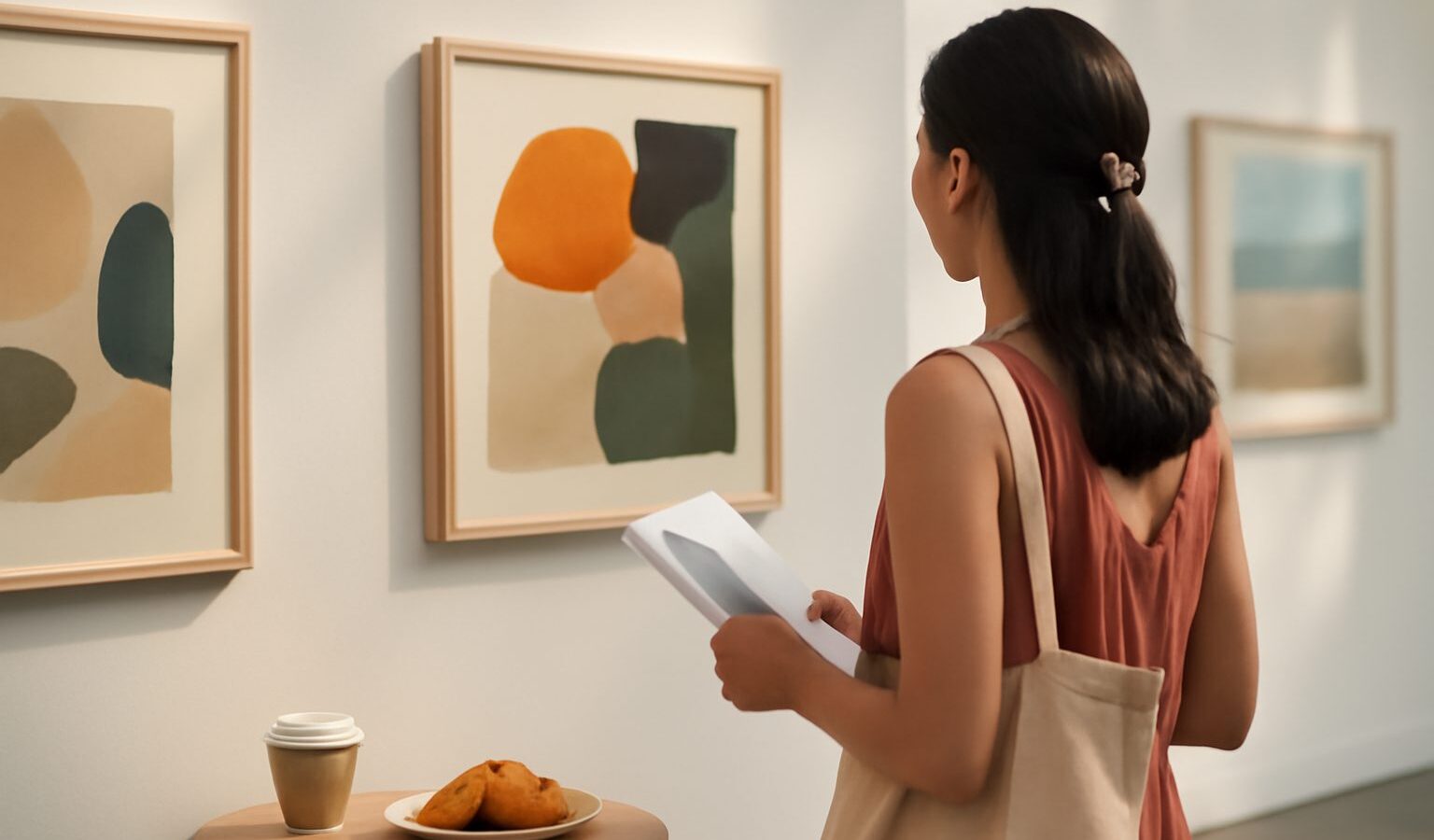
Few art experiences are as exhilarating, or as overwhelming, as your first big fair. Art fairs in Singapore gather galleries, artists and collectors under one roof for a few intense days, and the sheer density of work can dazzle a newcomer. This guide explains what these fairs are, how to visit them with ease, and how to enjoy yourself whether you plan to buy or simply to look.
What an Art Fair Actually Is
An art fair is a temporary marketplace where many galleries rent booths to show and sell works by the artists they represent. Unlike a museum, where art is presented for contemplation, a fair exists to connect works with buyers. That commercial energy is part of the appeal. You are seeing what living galleries believe is worth showing right now.
Singapore hosts major international and regional fairs, and the calendar shifts from year to year. Rather than trust any fixed dates, check the official website of the fair you are interested in, or the listings from established arts organisations, closer to the time. Alongside the headline fairs, you will find smaller satellite events, weekend markets and pop ups where emerging artists sell directly. These are often friendlier, cheaper and just as rewarding for a first visit.
Before You Go
A little planning turns a chaotic day into a pleasant one. Fairs are large, and trying to see everything at a shuffle leaves you exhausted and remembering nothing.
A few practical steps help enormously:
- Book tickets online in advance where possible, as some fairs sell timed entry.
- Wear comfortable shoes, because you will walk and stand for hours on hard floors.
- Bring a water bottle and plan a break, since decision fatigue is real.
- Note two or three galleries or themes you want to prioritise, then wander freely once you have seen them.
If you can, visit on a quieter weekday rather than the busy opening or the final weekend. You will have more room to look and more time to talk.
Browsing Versus Buying
Most first time visitors come to look, and that is entirely welcome. You do not need to buy anything, and no reputable gallery expects you to. Here is a clear comparison of the two mindsets so you can decide how to spend your visit.
| Aspect | Browsing | Buying |
|---|---|---|
| Goal | Learning, seeing, enjoying | Acquiring a specific work |
| Preparation | Comfortable shoes and curiosity | A budget and questions ready |
| Talking to staff | Ask about the artist and ideas | Ask about price, edition and provenance |
| Pressure level | None, wander at will | Take your time, never rush a decision |
| Best outcome | A richer eye and new favourites | A piece you will treasure for years |
Many collectors began as pure browsers who returned year after year until one work finally spoke loudly enough to buy. There is no rush and no wrong way to attend.
Fair Etiquette
Fairs have gentle, unwritten rules that make everyone’s day smoother. None of them are difficult, and following them marks you as a considerate visitor.
Do
- Ask before photographing a work, since some galleries and artists prefer you did not.
- Keep a respectful distance so you do not accidentally touch a piece.
- Feel free to ask the booth staff questions. They are there to talk, and most love sharing what they know.
- Step aside from a work if others are waiting to see it.
Avoid
- Touching artworks, even lightly, as oils from skin can cause real damage.
- Loud phone calls or blocking narrow aisles with a large group.
- Assuming a price by the look of a piece. If you want to know, simply ask.
Prices at fairs are often not displayed. Asking is completely normal and carries no obligation. A simple, polite question such as whether you might learn more about a particular work opens the door to a friendly conversation.
Talking to Gallery Staff
The people in the booths are one of the best parts of a fair, and newcomers often avoid them out of shyness. Do not. Gallerists and their assistants are usually delighted to discuss the artists they champion. Good opening questions include asking what drew the gallery to this artist, what the work is about, or where the artist is based.
Listening to these answers is a fast, free education. Over a single afternoon you can learn more about contemporary practice than a week of reading. Even if you never buy a thing, you leave with a sharper eye and a head full of names to follow.
Making the Most of the Experience
Pace yourself. Rather than skimming a thousand works, look slowly at fifty. Stand in front of a piece that stops you and ask why it does. Take notes or photograph the wall labels, with permission, so you can research artists later. Follow the ones that stay with you on the way home.
Consider going with a friend whose taste differs from yours. You will notice things through their eyes that you would have walked straight past. Afterwards, talk over what you saw across a meal. The conversation cements the memories and clarifies what you actually love.
If a work moves you and the price is within reach, remember that art fairs are a fine place to make a first purchase, often supporting living artists directly. Start modestly. A small print or a work by an emerging name can be the beginning of a collection built on genuine feeling rather than status.
Enjoy the Day
Art fairs in Singapore offer a rare chance to see an enormous range of work, meet the people behind it, and refine your own taste, all in a single visit. Go with comfortable shoes, an open mind and a couple of questions ready, and let the day surprise you. Whether you leave with a new artwork or simply a fuller heart, you will have spent your time well.
Explore more: Art Galleries in Singapore · Starting an Art Collection on a Budget · Contemporary Art in Singapore