
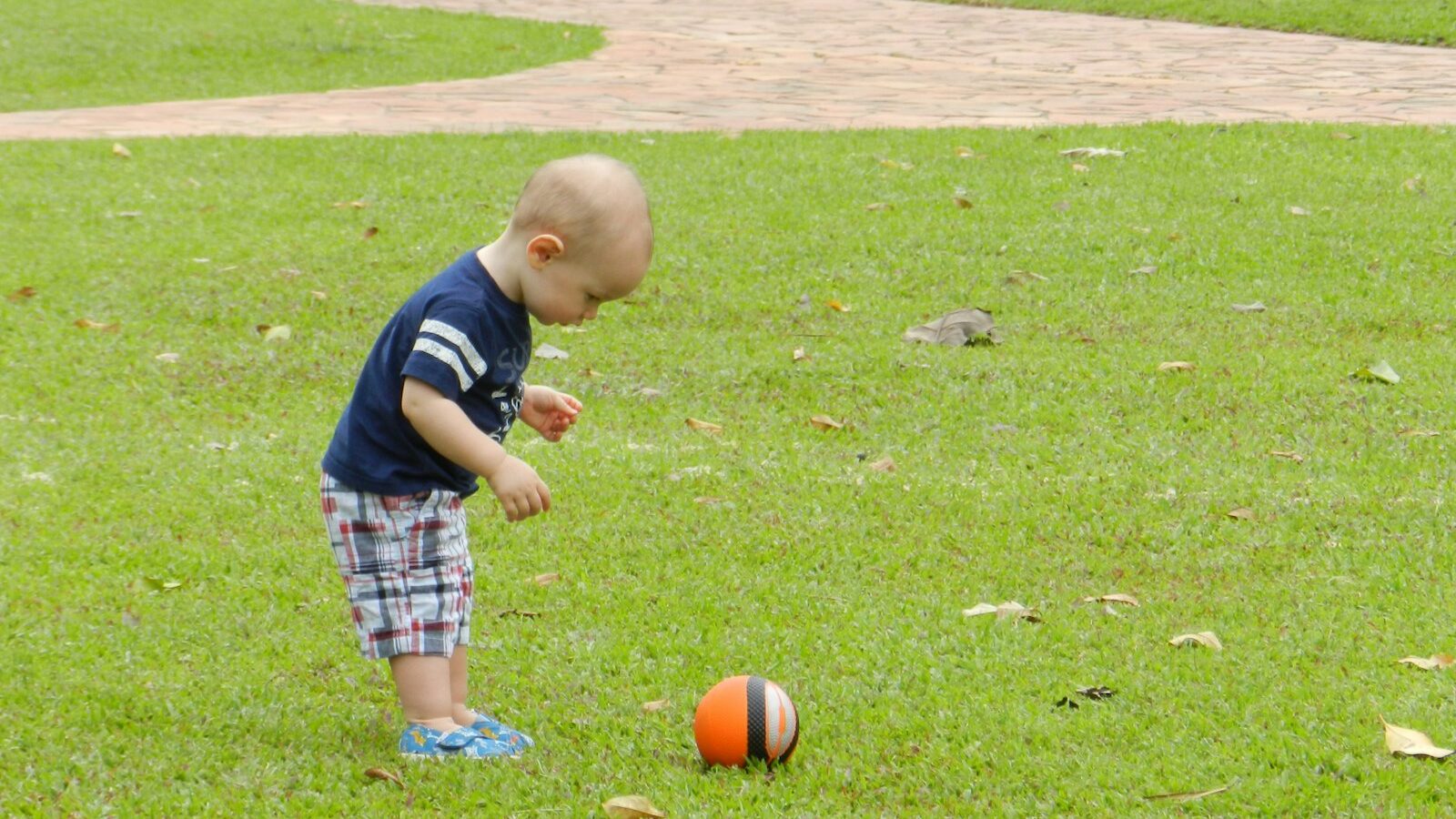
The day your baby starts to crawl is a lovely milestone, and also the day your home changes forever. Suddenly the floor, the coffee table and that dangling blind cord are all fair game. Baby proofing Singapore homes is really about looking at your flat the way your little one does, from about knee height and below, and quietly removing the risks before curious hands find them. You will not childproof everything in a single afternoon, and you do not need to. Start with the biggest dangers, work room by room, and be kind to yourself as you go.
See Your Home From the Floor Up
Before you buy a single gadget, get down on your hands and knees in each room and look around. This simple trick shows you exactly what your baby will see and reach: trailing wires, wobbly shelves, sharp table corners, low drawers, and small objects hiding under the sofa. A crawling baby moves faster than you expect and puts almost everything in their mouth, so the goal is to make the danger zone as boring and as safe as possible.
In many HDB and condo homes, space is tight and furniture is close together, which can actually help because there are fewer wide open runs. It can also mean cables, fans and clothes-drying racks are within easy reach. Take your time in each room and jot down what you spot. You are building a to-do list, not aiming for perfection in one go.
Secure Furniture, TVs and Anything That Can Tip
The most serious home hazard for a mobile baby is heavy furniture and televisions tipping over. Babies pull themselves up on whatever is nearest, and a bookshelf, chest of drawers or a TV on a low console can topple onto a small child with frightening speed. Anchor tall or heavy furniture to the wall using proper anti-tip brackets or straps, and secure flat-screen TVs to the wall or to a sturdy stand designed for the purpose. Follow the fittings and instructions that come with the product, as different walls and units need different fixings.
A few practical habits help too:
- Do not place tempting items like remote controls or toys on top of furniture your baby might climb.
- Push heavy items to the back and lower shelves so units are bottom-heavy.
- Keep drawers closed, since an open drawer becomes a step ladder.
Cover, Block and Lock the Hidden Dangers
Once furniture is stable, work through the smaller but common hazards. These are the everyday things that are easy to overlook until a baby finds them.
- Electrical sockets: fit socket covers on unused points and tuck away or secure trailing cables and extension cords.
- Stairs and level changes: fit safety gates at the top and bottom of any internal stairs, and near steps to a balcony or service yard. Keep the balcony door locked.
- Chemicals and medicines: move cleaning products, detergents, dishwashing liquid, medicines and vitamins to a high, locked cupboard. Under the kitchen sink is a classic danger spot, so clear it out or fit a cupboard lock.
- Small choking objects: coins, button batteries, magnets, bottle caps, marbles, pen caps and small toy parts must be kept well out of reach. If an item fits inside a toilet roll tube, it is a choking risk.
- Blind and curtain cords: tie up or fit cord cleats so loops are high and out of reach, as dangling cords are a strangulation hazard.
- Sharp corners: add soft corner guards to low coffee tables and TV consoles.
- Hot drinks and the kitchen: keep kettles, hot pots, and cups of coffee or tea well away from table edges and never hold a hot drink while carrying your baby. Turn pot handles inwards on the stove.
Our warm, humid climate means many families run fans and use mosquito plug-ins and repellents. Keep standing fans stable or use ones with fine mesh guards, and store repellents and plug-in refills up high with the other chemicals.
Room by Room, and What to Watch For
It helps to think about each space separately, because the risks differ. The table below is a quick guide to focus your effort where it matters most.
| Area | Main risks | What to try first |
|---|---|---|
| Living room | Furniture tip-over, TV, sharp corners, cords | Anchor units and TV, guard corners, tie up blind cords |
| Kitchen | Chemicals, hot items, knives, small objects | Lock the under-sink cupboard, keep hot drinks back, use a stove guard |
| Bathroom | Water, slips, toiletries, medicines | Never leave baby alone near water, lock away toiletries and pills |
| Bedroom | Cot safety, drawers, cords | Keep the cot clear, anchor drawers, remove cot bumpers and loose bedding |
| Balcony and windows | Falls from height | Keep doors locked, never place climbable furniture near windows or railings |
Bathrooms deserve special care. Never leave a baby alone in the bath or near any water, not even shallow water in a tub or a pail, and not even for a moment. Empty basins and buckets after use.
Windows, Balconies and High-Rise Living
Living up high brings a specific responsibility. Keep windows that a child could reach either locked or fitted with approved window restrictors or grilles, and never position beds, sofas, chairs or storage boxes where a child could climb up to a window ledge or balcony railing. Balcony gaps and low railings are a real danger, so keep balcony doors locked and treat the balcony as off-limits for an unsupervised child. Grandparents and helpers who care for your baby should know these rules too, so walk them through your setup and agree on which doors stay locked.
Supervision Still Matters Most
No amount of gadgets replaces a watchful adult. Baby proofing buys you precious seconds and reduces the everyday risks, but a determined baby will still surprise you. Never leave a baby unattended, especially near water, stairs, the kitchen or an open window, even for a short moment. As your baby grows into a toddler and starts to climb and open things, revisit your home and adjust. What worked for a crawler will not be enough for a busy one-year-old.
If your child does have an accident, stay calm, and for anything serious such as a bad fall, a burn, a suspected poisoning, a swallowed battery or difficulty breathing, call 995 straight away or head to KKH or your nearest A&E. Learning basic paediatric first aid and CPR through a certified course is one of the most useful things any parent, grandparent or helper can do.
Baby proofing can feel like a big job, but you do not have to finish it all today. Fix the tip-over and window risks first, then work steadily through the rest. Every small change makes your home a little safer for your growing explorer.
Explore more
For more on keeping little ones safe as they grow, read our guides on choking prevention and first aid and water safety for kids in Singapore. You may also like our practical guide to building a family first aid kit so you are ready for the everyday bumps and scrapes of childhood.
Related across Sky Media: Cat-Proofing Your Home in Singapore