
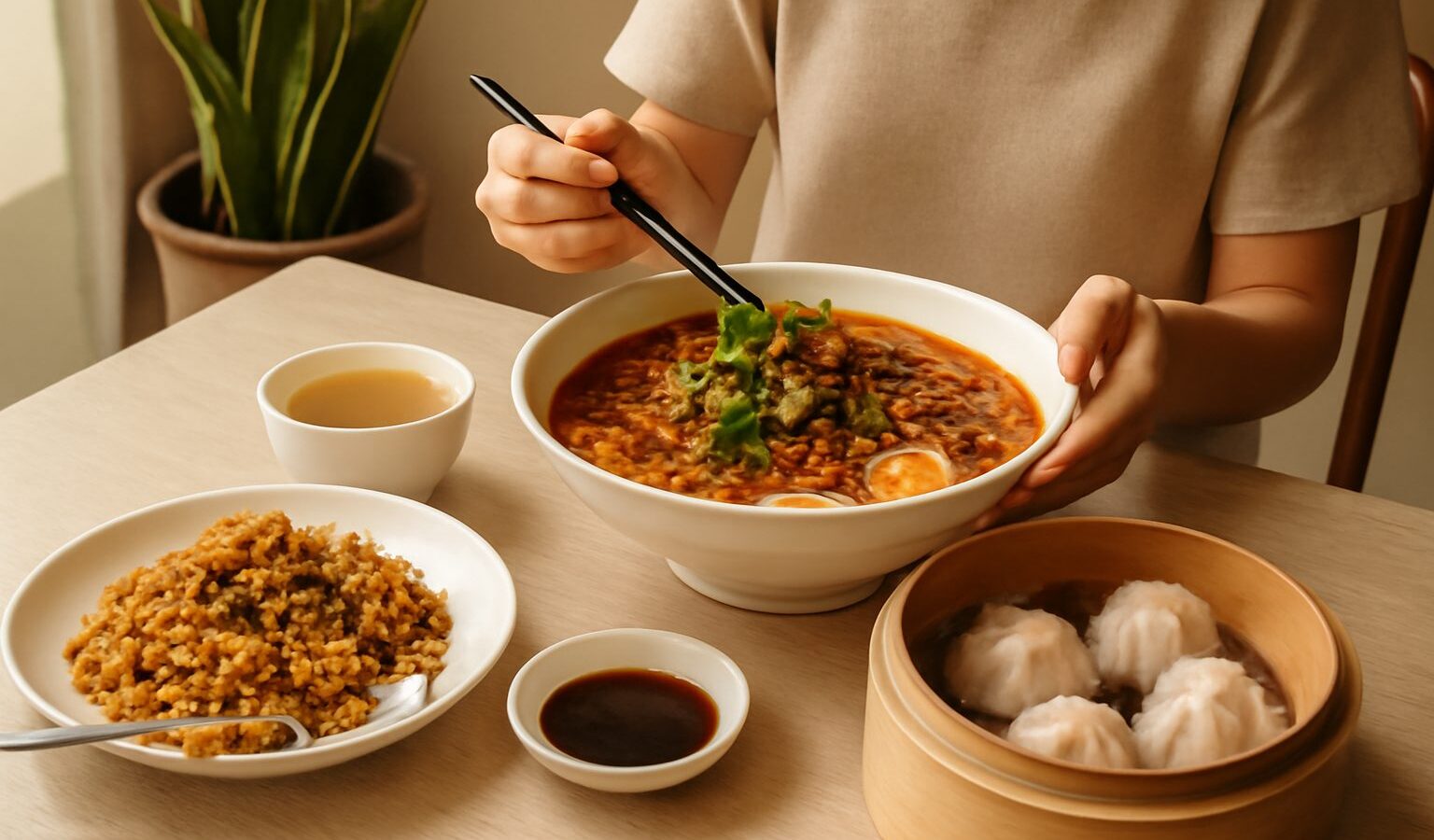
For anyone missing the gentle, herb bright cooking of the southwest, the search for yunnan food singapore has to offer can feel like chasing a memory. The mushrooms, the rice noodles, the crossing the bridge ritual, and the cool mountain freshness of Yunnan are distinctive, and so is the fierce sour and spicy character of neighbouring Guizhou. This guide explains what defines both cuisines, what dishes to hope for, and how to hunt them down in a city where they are less common than Sichuan or Cantonese food.
Yunnan and Guizhou are often spoken of together because they share a corner of China and a love of sour, fresh, and fragrant flavours. Yet they are quite different on the plate. Yunnan cooking is famous for its wild mushrooms, its delicate rice noodles, and the influence of Dai and other ethnic minority kitchens, which bring lemongrass, mint, and a lighter touch. Guizhou is bolder and more bracing, built around sour soup, pickled chillies, and a mouth tingling depth that warms you from the inside.
What Makes Yunnan Cooking Special
The dish most newcomers long for is crossing the bridge rice noodles, or guoqiao mixian. The story behind it is charming. A scholar studied on an island, and his wife carried his lunch across a bridge, keeping a pot of rich broth hot under a layer of oil so that thin slices of meat and vegetables could cook at the table when they were added. Served properly, you get a bowl of steaming broth, plates of raw ingredients, and the small ceremony of assembling it yourself. It is comfort and theatre at once.
Beyond that signature, Yunnan is a paradise of rice noodles in many forms, from simple everyday bowls to richer, spicier versions. The province is also legendary for wild mushrooms, and when they are in season the variety and aroma are remarkable. Dai flavours from the tropical south bring grilled fish wrapped in lemongrass, fresh herb salads, pineapple rice, and a cooling brightness that sets Yunnan apart from the heavier cuisines of the north. Cured ham, fresh cheese, and flower petals also feature in traditional cooking, a reminder of how varied this one province can be.
What Makes Guizhou Cooking Special
Guizhou food is defined by sourness. The star dish is sour soup fish, or suan tang yu, where fresh fish simmers in a tomato and pickled chilli broth that is tangy, spicy, and deeply savoury all at once. The sourness here does not come mainly from vinegar but from fermented tomatoes and rice, which gives it a rounded, almost fruity depth. For a mainland diner from Guizhou or nearby, that first spoonful can be an instant trip home.
The wider cuisine loves spicy and sour together, with pickled vegetables, dried and fresh chillies, and the numbing note shared across the southwest. Dishes tend to be rustic and generous, meant for sharing over conversation. If you enjoy the mala world but want something with a brighter, more acidic edge, Guizhou cooking may become a new favourite.
Both cuisines are harder to find here than Sichuan or Hunan food, so patience helps. Some southwestern restaurants blend Yunnan, Guizhou, and Sichuan dishes on one menu, while a few specialists focus on rice noodles or sour soup. Because outlets change often, check a current listing or a delivery app rather than relying on a fixed address, and do not be shy about asking staff whether a dish is cooked in the authentic style.
Here is a simple comparison to help you decide what to seek out first.
| Feature | Yunnan | Guizhou |
|---|---|---|
| Signature dish | Crossing the bridge rice noodles | Sour soup fish |
| Flavour profile | Fresh, fragrant, lightly sour | Sour, spicy, bracing |
| Key ingredients | Wild mushrooms, rice noodles, herbs | Fermented tomato, pickled chilli, rice |
| Cultural influence | Dai and minority kitchens | Rustic mountain home cooking |
| Best for | Comfort and freshness | Bold sour spice lovers |
How to Track Them Down
Start by searching for the dish rather than the province. Terms like crossing the bridge noodles, mixian, sour soup fish, and suan tang yu will surface the right places more reliably than a broad search for regional food. Delivery apps are useful for spotting smaller kitchens that do not advertise widely, and reading recent reviews from other mainland diners can tell you whether a bowl tastes close to home.
Neighbourhoods with a strong mainland Chinese presence, including some heartland areas and pockets near the city, tend to support more specialist eateries, since demand drives supply. Food courts and coffee shops sometimes hide a single stall serving Yunnan rice noodles, so keep your eyes open even in ordinary settings. When a place gets it right, it is worth remembering and returning to, since these cuisines are still building their footprint here.
A quick word on dietary needs. Both cuisines feature meat and fish prominently, though Yunnan in particular offers many vegetable and mushroom heavy dishes that can suit a lighter or partly vegetarian meal. If you avoid pork or need halal food, ask the restaurant directly, since most southwestern eateries here are not halal certified. Anyone sensitive to chilli should note that Guizhou dishes are genuinely spicy, and staff can usually adjust the heat if you ask early.
It also helps to visit at the right moment. Some kitchens prepare their broths and pickles in limited batches each day, and popular dishes such as sour soup fish can sell out by the evening. Arriving a little earlier, or messaging ahead where a shop takes orders, improves your chances of getting the real thing rather than a substitute. If a place offers a set that pairs rice noodles with a few small cold dishes, it is often a good way to sample the range in one sitting.
Finding Yunnan and Guizhou food here takes a little more effort than grabbing a mala hotpot, but the reward is real. A bowl of crossing the bridge noodles or a pot of sour soup fish carries the cool air and green hills of the southwest, and once you know what to look for, that taste of home is closer than you might think.
Explore more
Where to Find Sichuan and Mala Food
Where to Find Hunan Food
Finding Lanzhou Hand-Pulled Beef Noodles
Where to Find Northern Chinese Food