
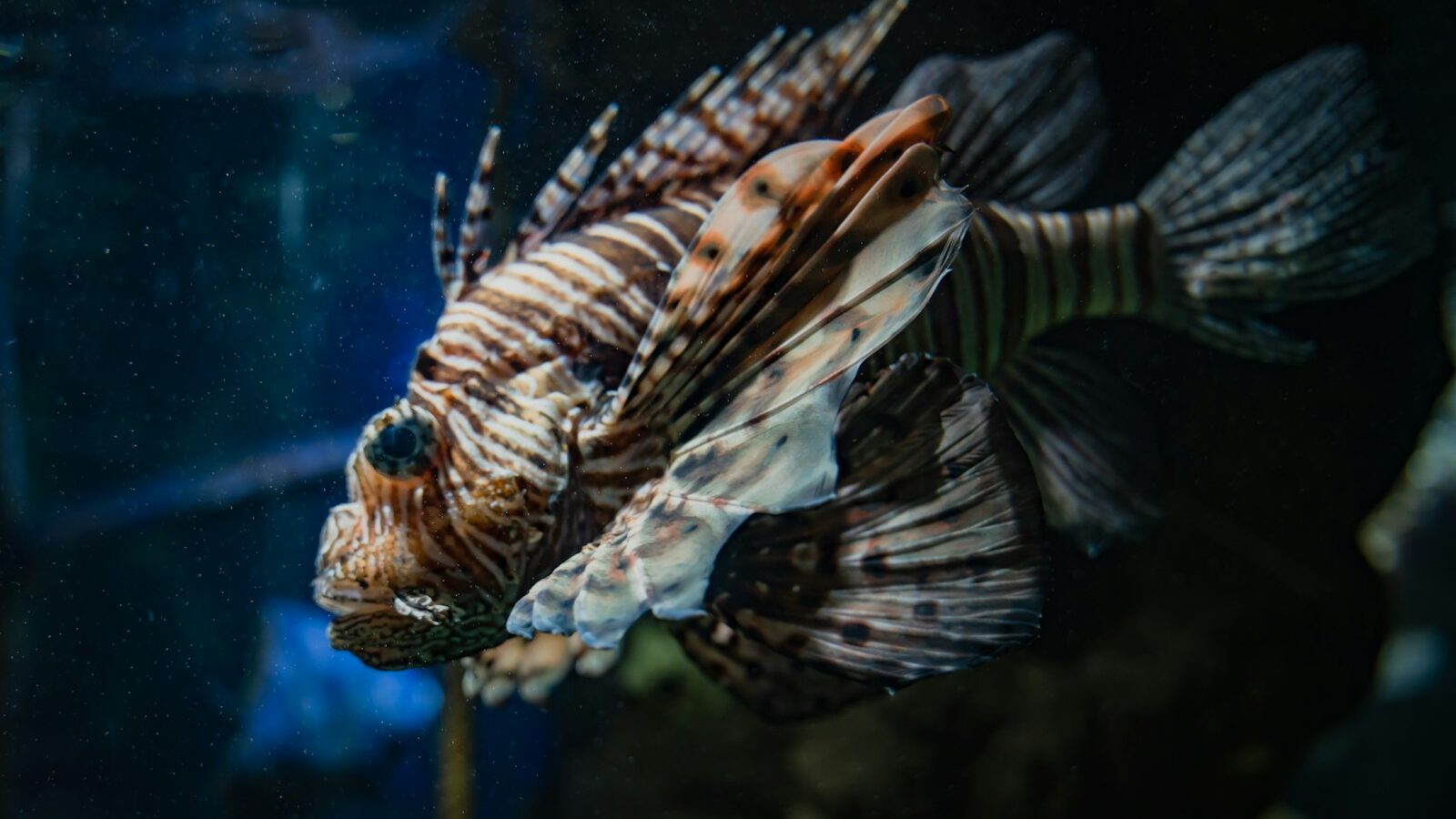
A well-planted aquarium is a living picture. Green stems sway in the current, small fish drift between the leaves, and the whole thing glows on a shelf like a slice of underwater forest. Aquascaping in Singapore has a passionate community and a wonderful climate for it, since our year-round warmth keeps tropical fish and plants happy without much fuss. If you have ever paused at a shop window full of glowing tanks and thought you could never manage one, this guide is for you.
Before anything else, one thing must be clear. Fish are living animals, not decorations. A good aquascape is beautiful, but the welfare of the creatures in it always comes first. That means setting up patiently, cycling the tank before any fish arrive, and researching every species you keep. Get the basics right and this becomes one of the most calming hobbies there is.
What Aquascaping and Fishkeeping Involve
Fishkeeping is the care of fish and other aquatic life. Aquascaping is the art of arranging plants, rocks and driftwood into a pleasing underwater landscape. The two go hand in hand. A thoughtful aquascape gives fish places to hide, rest and feel secure, while the fish bring the scene to life.
The rewarding part is that a planted tank is a small ecosystem you tend over time. Plants grow, need trimming, and slowly fill in. You learn to balance light, nutrients and livestock so the whole thing stays healthy. It is part gardening, part animal care and part design, which is exactly why so many people find it absorbing. You are not decorating a bowl; you are keeping a little world alive.
What You Need to Start
A common beginner mistake is going too small. Tiny bowls and nano tanks are actually harder to keep stable, because water conditions swing quickly in a small volume. A tank of around 40 to 60 litres is far more forgiving for a first attempt. A sensible starter setup includes:
- A tank of a reasonable size. Bigger is more stable. Aim for something you have room for but that holds a decent volume of water.
- A filter. This keeps water clean and houses the beneficial bacteria your tank depends on. Never run a tank without one.
- A heater, if needed. Many tropical fish like stable warmth. Singapore’s climate helps, but air-conditioned rooms can cool a tank, so a heater keeps temperature steady.
- A light. Live plants need a proper aquarium light to photosynthesise and thrive.
- Substrate. Gravel or a nutrient-rich planted-tank soil for the plants to root in.
- A water test kit and water conditioner. The test kit lets you monitor the cycle and safety. Conditioner removes chlorine from tap water so it is safe for fish.
- Plants, hardscape and, eventually, fish. Rocks and driftwood form the bones of your scape; plants and livestock come after.
Start with sturdy, low-maintenance gear. You can add pressurised carbon dioxide systems and fancier lights later if you catch the bug.
Cycle the Tank First: The Golden Rule
This is the single most important step, and skipping it is the most common reason beginners lose fish. Before any fish go in, you must cycle the tank, a process that grows beneficial bacteria to handle the waste your fish will produce.
Here is the short version. Fish produce ammonia, which is toxic. Helpful bacteria convert ammonia into nitrite, which is also toxic, and then other bacteria convert nitrite into far less harmful nitrate, which you remove with water changes. Until those bacteria colonies establish, the tank cannot safely support life. This nitrogen cycle typically takes several weeks.
To do a fishless cycle, set up the tank fully, add a source of ammonia, and use your test kit to track the readings. When ammonia and nitrite both read zero and nitrate appears, the tank is cycled and ready. It requires patience, but it protects your future fish from a painful death. No responsible fishkeeper adds livestock to an uncycled tank. Let the tank tell you when it is ready, not your calendar.
Choosing Beginner-Friendly Plants and Fish
Once cycled, stock slowly and choose hardy species. Research the adult size, temperament and care needs of anything before you buy, and never overstock. The table below compares gentle starter options. Always confirm current care details with a trusted shop or reference.
| Type | Beginner-friendly picks | Why they suit newcomers | Care note |
|---|---|---|---|
| Easy plants | Java fern, Anubias, Java moss | Tolerate low light, grow slowly, hard to kill | Tie to rocks or wood, no special soil needed |
| Hardy fish | Ember tetra, harlequin rasbora, guppy | Small, peaceful, adapt well to community tanks | Keep schooling fish in groups of six or more |
| Solo option | Betta | Striking and characterful, kept singly | One male per tank; never house two together |
| Clean-up crew | Nerite snail, cherry shrimp | Graze algae, add interest, gentle on plants | Add only after the tank is stable |
Stock gradually over weeks, not all at once, so the filter can keep pace with the extra waste. A patient, lightly stocked tank is a healthy one.
Where to Buy and Learn in Singapore
Singapore is spoiled for choice. Clementi, Seletar and the shops around Serangoon and Pasir Ris Farmway are known for aquarium stores, and the famous fish farms and specialist shops carry tanks, plants, hardscape and livestock. Staff at good local shops are generous with advice, so ask plenty of questions before buying. General pet shops and online marketplaces are handy for equipment and dry goods.
To learn, local aquascaping and planted-tank groups on social media are friendly and active, sharing photos, troubleshooting and meet-ups. Hobbyist forums and video tutorials cover everything from cycling to trimming, and Singapore even hosts aquascaping competitions worth visiting for inspiration. Because our climate is warm, keep tanks out of direct sun and watch for algae, and in air-conditioned rooms keep an eye on temperature. Prices for tanks, livestock and gear vary widely, so check with each shop for what is current.
Above all, keep coming back to the welfare of your animals. Feed sparingly, do regular partial water changes, keep the water clean, and give every creature the space and conditions its species needs. Do that, and your little underwater world will thrive for years.
Explore more
Love the idea of a living, growing display at home? If a low-water or no-fish route appeals, our guide to terrariums scratches the same itch. For more nature-focused hobbies, see birdwatching, or look up on a clear night with astronomy and stargazing.