
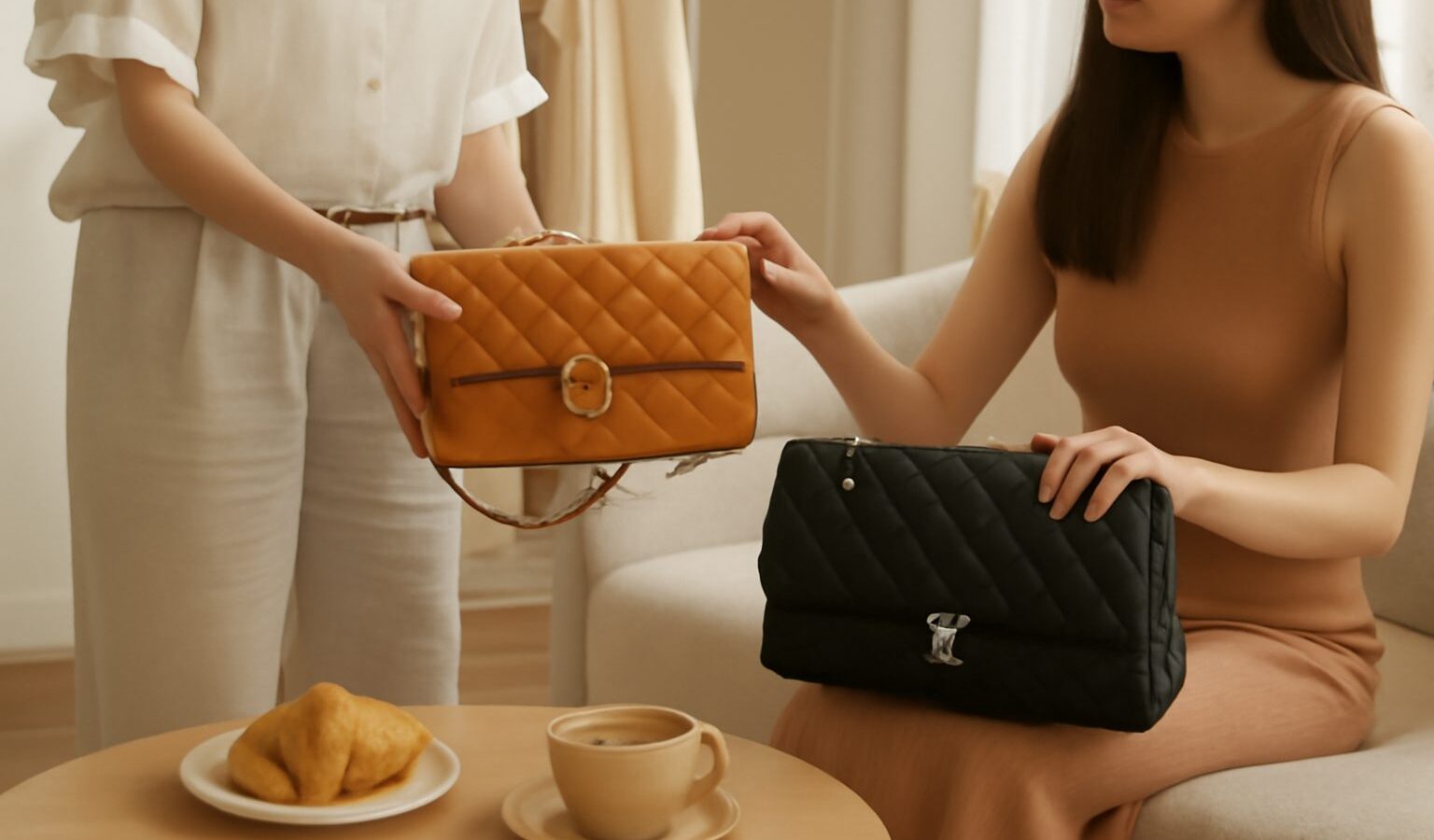
Luxury consignment in Singapore lets you sell designer pieces you no longer wear, and buy authenticated preloved items for less than retail. Instead of selling directly, you hand your item to a shop that markets it, vets buyers and handles the sale for a cut of the price. This guide explains how the model works and what to check on both sides of the counter.
What Consignment Actually Means
In a consignment arrangement you keep ownership of your item until it sells. The shop displays and promotes it, manages viewings, and takes a commission once a buyer pays. Because the shop only earns when the piece sells, its incentives are broadly aligned with yours, though pricing and timing can still be a point of friction.
This differs from an outright buyout, where a shop pays you a lower sum immediately and takes on the risk of reselling. Consignment usually yields more over time but pays out slower.
How The Money Works
Commission is the heart of any consignment deal. Rates vary widely and often depend on the item’s value and desirability. More sought-after pieces command lower commission because they sell themselves; slower or lower-value items carry higher rates.
| Model | You get paid | Typical payout | Risk to you | Best when |
|---|---|---|---|---|
| Consignment | After it sells | Higher, minus commission | Item unsold, time delay | You can wait for the right price |
| Outright buyout | Immediately | Lower, fixed | Very low | You need cash fast |
| Self-sale (peer to peer) | On your own sale | Highest, no commission | Scams, authentication, effort | You have time and know the market |
Always confirm in writing: the commission percentage, any listing or photography fees, how long the consignment period runs, what happens to unsold items, and how and when you are paid. Reputable shops put all of this in a signed agreement.
Why Consignment Appeals In Singapore
Consignment sits between two extremes. At one end is the outright buyout, quick and certain but paying the least. At the other is selling peer to peer yourself, which keeps every dollar but hands you all the work and all the risk, from vetting buyers to proving authenticity to arranging a safe handover. Consignment splits the difference: you pay a shop to handle the marketing, screening and transaction, and in return you reach buyers who trust the shop’s vetting more than they would trust a stranger online. For sellers who value time and safety over squeezing out the last dollar, that trade is often worth it. For buyers, the same shop reputation is what makes a preloved purchase feel safe rather than a gamble.
For Sellers: Getting The Best Result
Preparation lifts your payout. Clean the item gently, gather the original box, dust bag, receipts, cards and any repair records, and be honest about flaws. Complete provenance and good condition widen your buyer pool and justify a higher asking price.
- Set realistic expectations. Resale value is driven by brand, model, condition, rarity and current demand, not by what you originally paid.
- Understand the pricing conversation. A good shop advises on a price that will actually sell. Overpricing leaves your item sitting unsold.
- Ask about markdowns. Some agreements allow the shop to reduce the price after a set period. Know the floor you are comfortable with.
- Clarify insurance. Ask how your item is protected against loss or damage while in the shop’s care.
For Buyers: Shopping Consignment Wisely
The appeal for buyers is access to authenticated designer pieces below retail, sometimes including items no longer sold new. To buy well:
- Insist on authentication. A trustworthy shop authenticates items in house or through a professional service and stands behind them. Ask what guarantee they offer and get it in writing.
- Inspect condition in person. Check stitching, hardware, corners, linings and any signs of wear or repair. Ask for the item’s history.
- Understand the returns policy. Consignment returns are often stricter than new retail. Know your rights before you pay.
- Compare against resale bands. Research what similar pieces sell for elsewhere so you can judge whether the price is fair, roughly in the $, $$ or $$$ range for that category.
Buyer And Seller Beware
Consignment carries risks on both sides. Sellers should worry about shops that are slow to pay, vague about fees, or unwilling to provide a written agreement. Buyers should be wary of any shop that cannot or will not explain how it authenticates items, or that pressures a fast decision.
A note on legality that protects everyone: buying or selling counterfeit goods is illegal in Singapore. A genuine consignment shop takes authentication seriously precisely because it does not want to handle fakes. If a shop seems careless about authenticity, treat that as a reason to leave, whether you are buying or selling.
Questions To Ask Before You Commit
Whether consigning or buying, a short checklist keeps you protected:
- What is the exact commission or price, and what fees apply?
- How and when will payment be made?
- How are items authenticated, and what guarantee comes with them?
- What is the consignment period, and what happens to unsold pieces?
- What is the returns and dispute process if something goes wrong?
- Is the item insured while in the shop’s care?
Keep copies of the agreement, receipts and any messages. Clear paperwork is your best protection if a disagreement arises later.
The Bottom Line
Luxury consignment in Singapore is a sensible way to give quality pieces a second life and to buy well below retail, provided you go in informed. Sellers should focus on fair commissions, honest pricing and a clear contract. Buyers should prioritise authentication, condition and a fair price. Handle both carefully and consignment becomes a genuinely rewarding part of a smarter, more sustainable wardrobe.
Explore more: Understanding cost per wear · How to build a sustainable wardrobe · Buying secondhand clothes on Carousell