
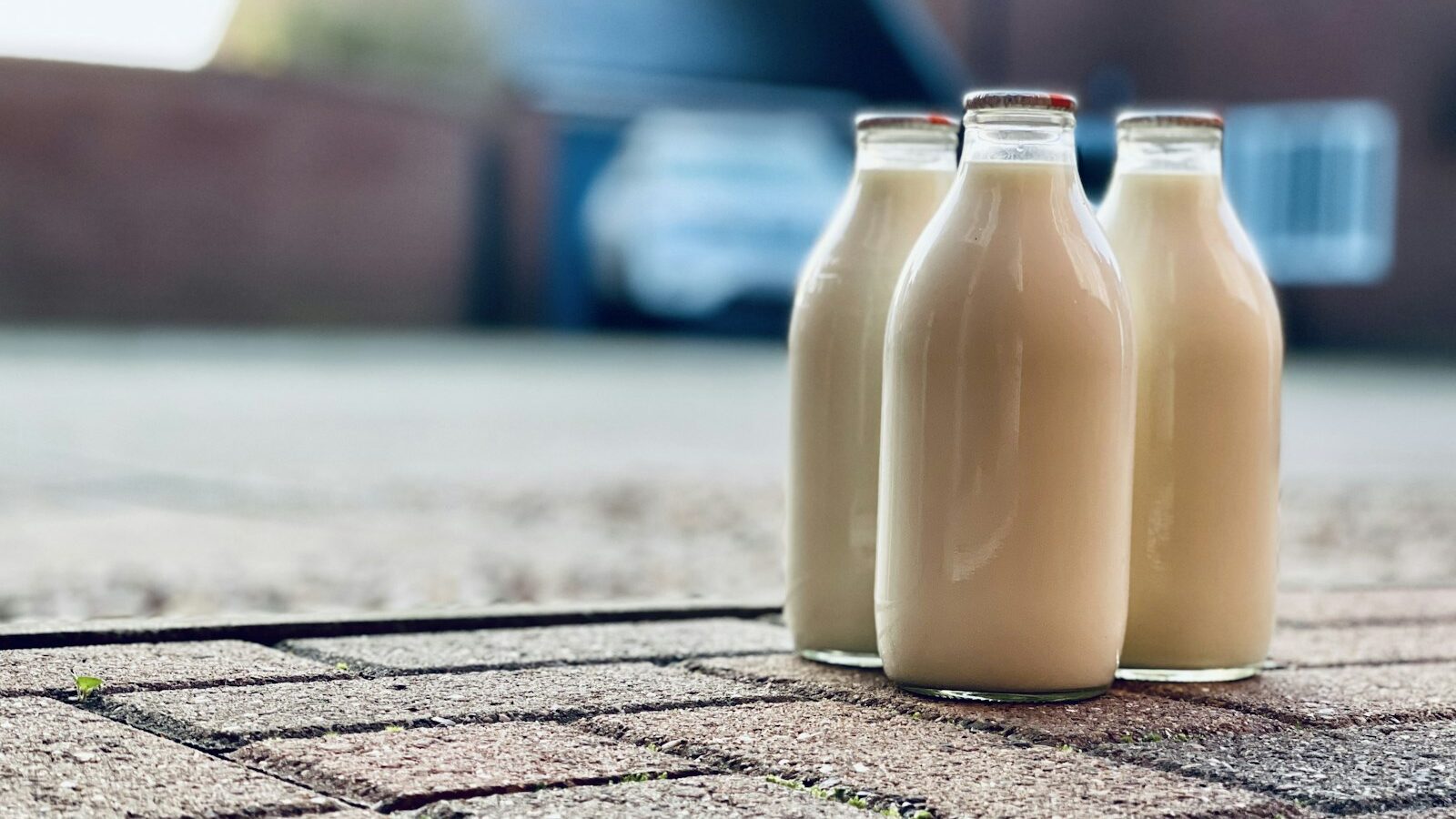
Plant based milks in Singapore have gone from a niche health-shop item to a normal sight on supermarket shelves and in your kopi. Whether you are cutting back on dairy for the environment, for taste, or simply out of curiosity, there is now a plant milk for almost every use. The choice can feel overwhelming at first, so this guide walks through the popular options, how they compare, and how to pick one without wasting money or a fridge full of cartons you do not enjoy.
Swapping some of your dairy for a plant option is a small, low-effort green choice. Dairy farming tends to use more land and water and produces more emissions than most plant milks, so even switching your morning coffee makes a quiet difference over a year.
The Main Types You Will See On The Shelf
Walk down the chilled or long-life aisle and you will spot a growing line-up. Each has its own character, so it helps to know what you are reaching for.
- Soy milk is the long-standing favourite, familiar from local soya bean drinks. It is higher in protein and works well in both sweet and savoury dishes.
- Oat milk has become hugely popular for its creamy texture and gentle sweetness, and it froths nicely for coffee.
- Almond milk is light and nutty, lower in calories, and pleasant in cereal or smoothies.
- Coconut milk drinks are rich and tropical, though different from the tinned coconut milk used in curries.
- Rice milk is naturally sweet and thin, a handy option for anyone avoiding soy and nuts.
You will also find blends, barista editions formulated to froth, and versions with added calcium and vitamins. Reading the carton is worth a moment of your time.
How To Match A Milk To The Job
The best plant milk depends entirely on what you are doing with it. There is no single winner, just good fits for different tasks.
For coffee and tea, oat and soy generally perform best because they stay smooth and froth well, and barista versions are made exactly for this. For cereal and overnight oats, almond and oat are light and easy. For cooking and baking, soy holds up nicely in savoury sauces while oat adds a mild sweetness to bakes. For a simple cold drink, pick whichever flavour you enjoy most, since this is entirely down to personal taste.
If you are switching for your daily kopi or teh, a small carton of the barista style is a good first buy. Try it before committing to a big pack, because plant milks vary a lot between recipes and your palate is the real judge.
Comparing Popular Plant-Based Milks
Here is a quick side-by-side to help you narrow things down. Treat it as a general guide rather than strict fact, since recipes differ between products.
| Milk | Taste and texture | Best for | Environmental note |
|---|---|---|---|
| Soy | Creamy, mild, higher protein | Coffee, cooking, all-rounder | Low footprint, widely available |
| Oat | Creamy, gently sweet | Lattes, baking, cereal | Low footprint, low water use |
| Almond | Light, nutty, thin | Smoothies, cereal | Low emissions but thirstier crop |
| Rice | Sweet, watery | Nut and soy avoiders | Higher water use than most |
Whichever you choose, almost every plant milk still comes out ahead of dairy on land and emissions, so you are making a greener pick either way.
Keeping It Balanced And Reading The Label
This is general information, not medical or nutrition advice, so please speak to a doctor or dietitian if you have allergies, feed young children, or have specific dietary needs. A few sensible habits make the switch easy and healthy.
Plant milks vary a lot in nutrition. Soy is naturally closer to dairy in protein, while many others are lower, so if you are replacing dairy more fully it is worth choosing versions fortified with calcium and vitamin B12 and keeping an eye on overall protein and calcium across your meals. Check the sugar content too, as some flavoured or sweetened versions contain a fair bit, and unsweetened is often the more versatile buy. If you are cutting out dairy entirely, a dietitian can advise on keeping the rest of your diet balanced.
Cutting Waste And Shopping Smart In Singapore
Plant milks are easy to find here, from major supermarkets to smaller grocers, and increasingly at cafes that offer a plant option for a small top-up. To keep the habit both green and affordable, a little planning goes a long way.
- Buy the size you will realistically finish, since an opened carton does not last forever and waste undoes the green benefit.
- Consider long-life cartons for milks you use occasionally, as they store in the cupboard until opened.
- Rinse and recycle the carton where accepted, and check NEA’s guidance on beverage cartons rather than assuming, as rules can change.
- Making soy or oat milk at home is possible and cuts packaging, though it takes effort and does not keep as long.
- Try one new type at a time so you avoid a fridge crowded with half-used cartons you do not like.
There is no need to overhaul everything at once. Switching a single daily drink to a plant option is a genuine, low-cost step that fits neatly into Singapore’s wider Green Plan ambitions. Start with one carton, see how you like it, and build from there.
Explore More
A plant milk swap pairs beautifully with the rest of a greener kitchen. See our beginner’s guide to eating less meat for more easy plant-forward wins, and rethink your daily cup with our guide to a more sustainable coffee and tea habit. To keep those cartons and groceries from piling up, our tips on reducing food packaging when you shop are a natural next read.
Related across Sky Media: Understanding Plant-Based Proteins · Plant-Based Meat Alternatives in Singapore