
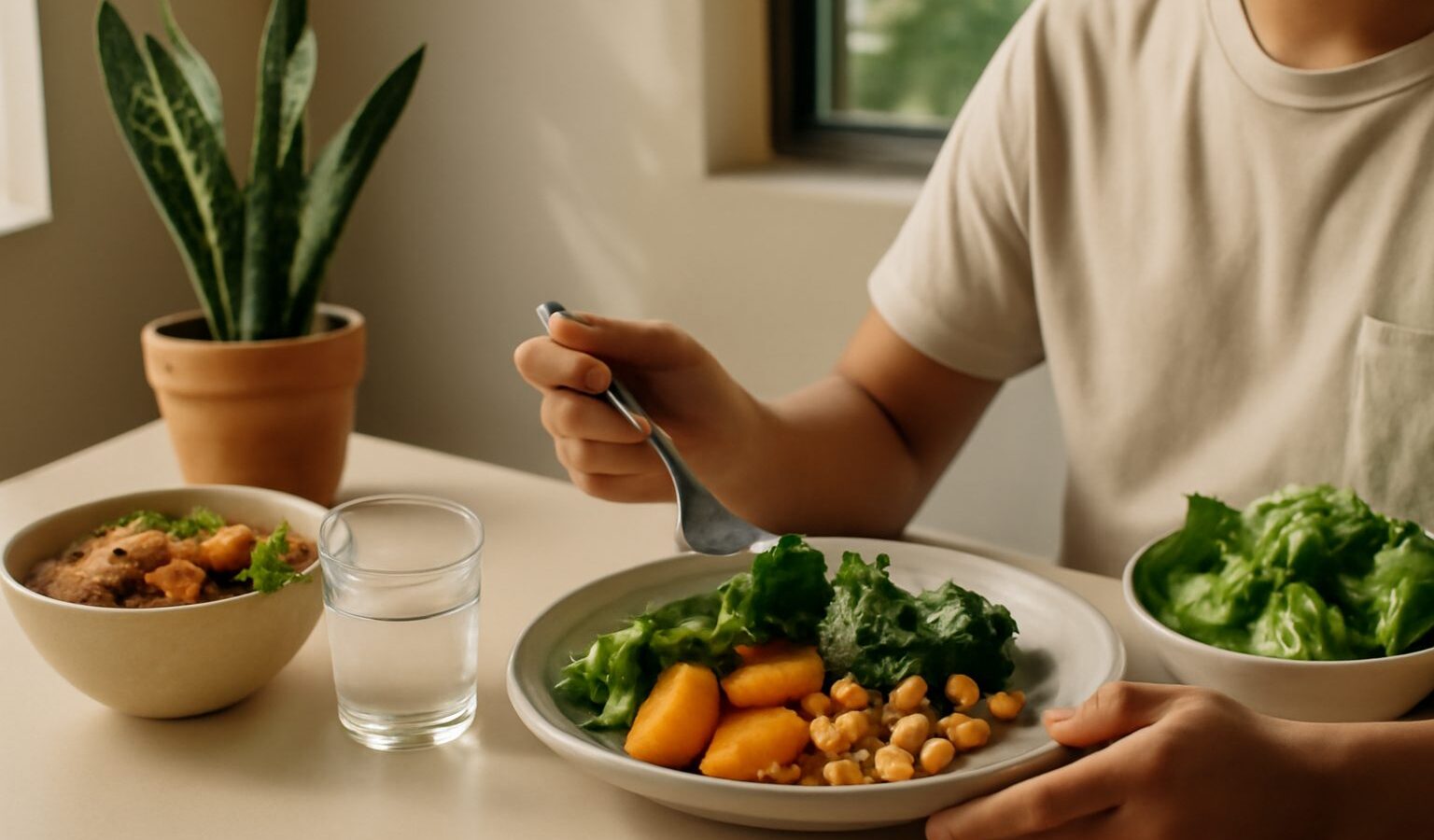
Eating more plants is one of those green habits that turns out to be surprisingly at home in Singapore. Long before “plant-based” became a buzzword, families here were tucking into vegetarian bee hoon, dal and thosai, and thundering out mock-meat feasts on the first and fifteenth of the lunar month. So plant based eating Singapore style is not a foreign import you have to force onto your plate. It is already woven through our food culture, waiting to be leaned into. This is general information rather than medical or dietary advice, and the aim is to make eating more plants feel easy, tasty and inclusive, whether you go fully vegetarian, eat vegan some days, or simply add a few more meat-free meals to your week.
A Strong Local Tradition of Eating Plants
Singapore has one of the richest vegetarian food cultures anywhere, thanks to communities that have practised plant-based eating for generations. Buddhist vegetarian cuisine gives us the beloved “zhai” dishes and dedicated vegetarian stalls, often marked in green, that turn tofu, gluten and mushrooms into satisfying versions of familiar favourites. Indian vegetarian food, from South Indian banana-leaf meals to North Indian dals and paneer dishes, offers some of the most flavour-packed meat-free eating you will find. Chinese, Malay and Peranakan kitchens all bring their own vegetable-forward dishes too.
This heritage matters because it means going plant-based here does not have to feel restrictive or unfamiliar. You are not giving up local food, you are exploring a part of it that has always been there. From the humble economy rice stall piling on three vegetables to a full vegetarian zi char spread, the options are genuinely comforting and deeply Singaporean.
Finding Plant-Based Food at Hawkers and Beyond
One of the joys of eating here is how easy it is to eat plants without cooking. Most hawker centres have at least one vegetarian stall, and even at ordinary stalls you can order meat-free versions or naturally plant-based dishes. A few reliable options to look out for:
- Vegetarian bee hoon, economy rice and mixed vegetable rice at dedicated veg stalls.
- Thosai, idli, dal, sambar and vegetable curries at Indian stalls.
- Chap chye, braised tofu, sang choy and stir-fried greens at zi char.
- Roti prata (ask for no egg if you prefer), chwee kueh, soya bean curd and plain kaya toast for lighter meals.
- Salad bowls, grain bowls and plant-based cafes for something more modern.
Beyond hawkers, supermarkets and restaurants now stock a growing range of plant-based products. Meat alternatives, from familiar mock meats made of soy and gluten to newer plant-based patties, mince and even “chicken”, make swaps easy, and there are local plant-based brands developing products suited to our tastes. Treat these as convenient options rather than daily essentials, since whole foods like beans, tofu, tempeh and lentils are usually cheaper and simpler.
Easy Swaps and a Flexitarian Approach
You do not have to label yourself anything to eat more plants. Many people find a flexitarian approach, keeping plants as the default and eating meat occasionally, is the most sustainable way to stick with it long term. The trick is to make swaps that feel like an upgrade, not a loss. Below are some familiar meals paired with a plant-based version you can genuinely get in Singapore.
| Usual meal | Plant-based version here | Where to get it |
|---|---|---|
| Chicken rice | Vegetarian “chicken” rice or tofu rice | Vegetarian stalls, food courts |
| Bak chor mee | Mushroom or vegetarian minced “meat” noodles | Veg hawker stalls |
| Fish or chicken curry | Dal, chickpea or vegetable curry | Indian stalls and restaurants |
| Beef or pork burger | Plant-based patty burger | Cafes and supermarkets |
| Char siew or braised meat | Braised tofu, tempeh or mock meat | Zi char and home cooking |
Small swaps like these add up. You might start with one meat-free day a week, make your default cai png plate mostly vegetables, or keep the meat but halve the portion and bulk up with beans. There is no wrong entry point, and every plant-forward meal counts.
Staying Balanced and Getting Enough Nutrients
Eating more plants can be nourishing and satisfying, but like any way of eating it is worth doing thoughtfully so your meals stay balanced. This is general information, not medical advice, and the single most important step is to speak to a doctor or dietitian about your own needs, especially if you are pregnant, feeding a growing child, managing a health condition or planning to go fully vegan.
In broad terms, a varied plant-based diet aims to cover a few bases. Protein can come from tofu, tempeh, edamame, beans, lentils, chickpeas, nuts and wholegrains, all easy to find here. Iron is present in many legumes, dark leafy greens and wholegrains, and pairing them with vitamin-C-rich foods can help your body use it. Vitamin B12 is one to pay attention to, as it is mainly found in animal products, so people eating fully plant-based often get it from fortified foods or supplements, which is exactly the kind of thing a doctor or dietitian can advise on. The overall message is simple: eat a colourful variety of whole plant foods, do not rely only on processed mock meats, and get personalised guidance rather than guessing.
Making It Affordable and Sustainable
A lovely bonus of eating more plants is that it is often gentler on your budget. Some of the cheapest, most filling foods in any Singapore supermarket or wet market are plant-based staples: rice, noodles, tofu, eggs if you eat them, beans, lentils and local leafy vegetables. Cooking from these whole ingredients usually costs less than buying premium meat alternatives every day, so you can eat well without spending more.
To keep it easy and inclusive, meet yourself where you are. Cook a big pot of dal or vegetable curry and eat it across a few meals, keep tins of beans and blocks of tofu on hand for quick dinners, and lean on our hawker culture when you do not feel like cooking. Invite family and friends along without preaching, since a delicious shared meal does more to win people over than any lecture. Plant-based eating in Singapore is at its best when it feels generous and unfussy, a natural extension of how much we already love to eat, rather than a strict diet to endure.
Explore More
Eating more plants is one satisfying piece of a greener plate. For the bigger picture on lower-impact food choices, read our guide to sustainable eating in Singapore. And if you still enjoy some seafood, our guide to choosing sustainable seafood in Singapore will help you pick more responsibly.
Related across Sky Media: Plant-Based Eating in Singapore · Understanding Plant-Based Proteins