
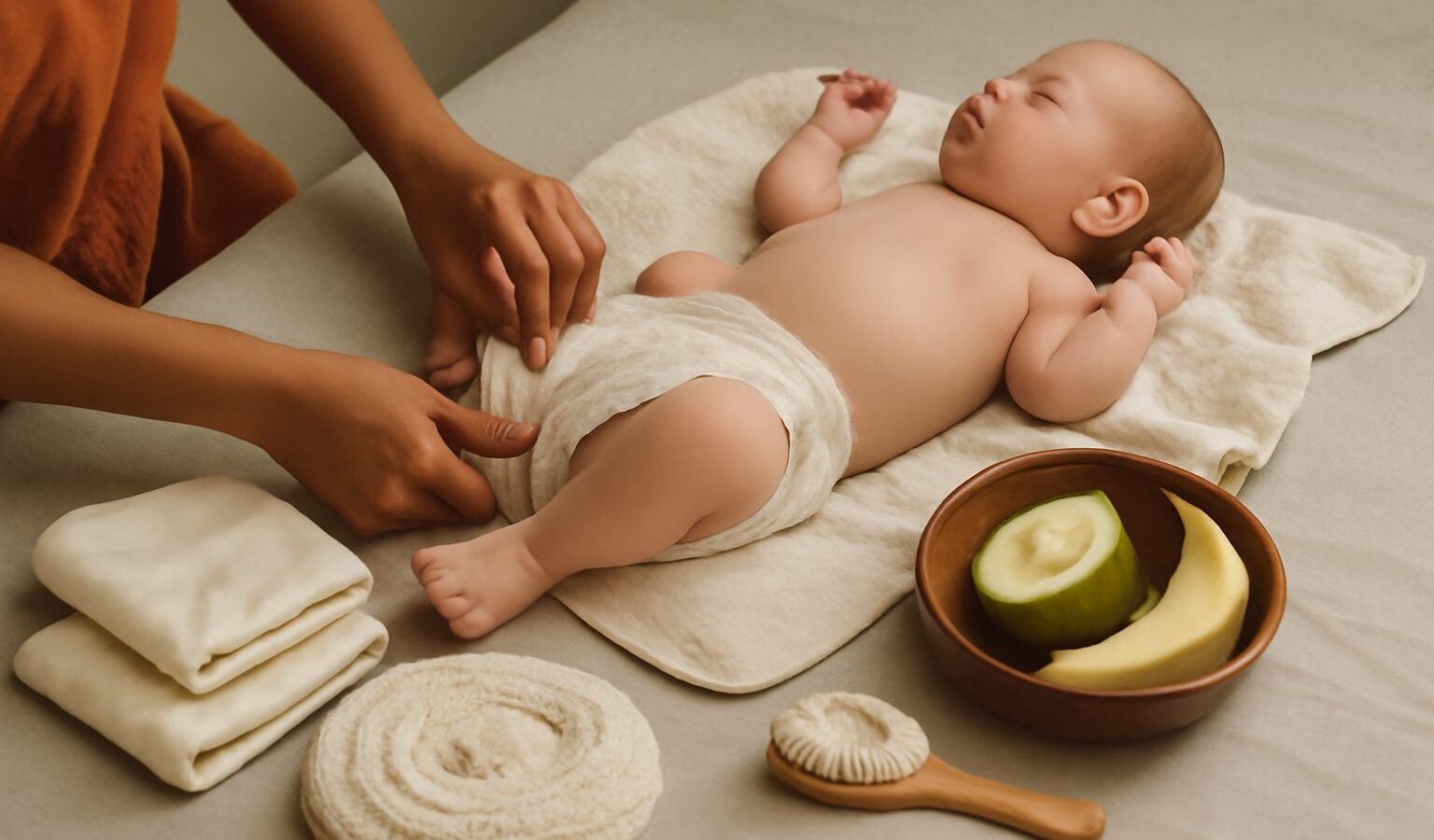
New parents in Singapore are sold a long list of things a baby supposedly needs, and most of it is plastic, single-use or outgrown within months. The good news is that an eco-friendly baby is usually a cheaper baby too. The greenest choice and the thriftiest choice are often the same one: buy less, buy used, choose things that last, and pass them on. You do not need a big budget or a lot of willpower, just a willingness to ignore the pressure to kit out a nursery like a showroom.
This guide walks through where the money and the waste actually pile up in the first couple of years, and how to cut both without cutting corners on safety or comfort.
Start With Less Than You Think You Need
Much of the “essential” baby list is optional, and a fair bit of it goes barely used. Wipe warmers, nappy bins, cot mobiles, dedicated bottle sterilisers and top-and-tail bowls are easy to skip or replace with things you already own. A big pot of boiling water sterilises bottles just as well as a machine.
A simple way to resist the pressure is to buy in stages. Get the genuine newborn basics first, then add items only as your baby actually reaches them. Babies grow and change fast, and a gadget that seems vital at the shop often sits in a cupboard at home. Buying later also means you can go second-hand once you know what you truly use.
When you do buy new, favour multi-taskers and things that grow with the child. A cot that converts to a toddler bed, a high chair that adjusts for years, and clothes in stretchy, forgiving cuts all stretch your money and delay the next purchase.
Borrow and Buy Second-Hand First
The single biggest lever for both cost and waste is buying preloved. Baby gear is used gently and briefly, so the second-hand market is full of items in near-new condition at a fraction of the price. Cots, changing tables, baby carriers, playmats, bouncers and clothes are all easy wins.
Singapore has a strong preloved culture to tap:
- Buy-nothing and preloved groups, where neighbours give away or sell outgrown baby items, often within walking distance of your block. See our guide to joining a buy-nothing group.
- A library of things for items you need only briefly, so you borrow rather than buy a bulky item that lives in the store room for years afterwards. More in borrowing from a library of things.
- Hand-me-downs from friends, cousins and colleagues whose children have grown. Ask around before you buy anything; most parents are relieved to clear space.
- A clothes swap with other parents, since babygrows are outgrown before they wear out. Our guide to hosting a clothes swap with friends works just as well for tiny sizes.
A safety note that matters more than any saving: buy certain items new, or only accept them from a source you trust completely. Car seats can have a hidden accident history and expiry dates, and cot mattresses and mattress standards matter for safe sleep. Always check current safety guidance for these, and when in doubt, choose new for anything that protects the baby in a fall or during sleep.
Where an Eco-Friendly Baby Saves the Most
Some choices deliver big savings and a big cut in waste at once. Others are marginal. It helps to see the difference so you spend your effort where it counts.
| Baby cost | Conventional approach | Greener, cheaper approach | Why it wins |
|---|---|---|---|
| Nappies | Disposables, bought weekly for years | Cloth nappies washed at home, reused | Big saving over time, far less to Semakau |
| Clothing | New outfits each size | Hand-me-downs and swaps | Near-free, and barely worn when passed on |
| Big gear (cot, pram) | Bought new at full price | Preloved or borrowed | Half price or less, same use |
| Wipes | Single-use packs, non-stop | Reusable cloth wipes with water | Cheap to run, gentle, little waste |
| Feeding | Endless bottle gadgets | A few good bottles, boil to sterilise | Fewer things to buy and store |
Nappies are the standout. A baby gets through thousands of them, so the disposables bill and the bin bag both grow relentlessly. Cloth nappies cost more up front but far less over the full stretch, especially across a second child, and they keep a mountain of waste out of the incinerator and away from Semakau. They are more work, so a common middle path is cloth at home and disposables when out or travelling. Our full guide covers the practicalities of using cloth nappies for your baby.
Nappies, Wipes and Feeding Without the Waste
Beyond the choice of nappy, a few daily habits cut waste to a trickle:
- Reusable wipes. Soft cloth squares with plain water handle most changes. Keep a stack by the changing mat and toss them in with the nappy wash. Reach for disposable wipes only when out.
- Right-size your feeding kit. A handful of good bottles, a bottle brush and a pot for boiling covers most needs. If you express, a decent pump borrowed or bought preloved beats buying several.
- Buy consumables in sensible sizes. Larger refills of the things you genuinely get through, such as bath wash, mean less packaging per use, but only buy big once you know a product suits your baby’s skin.
Keep it practical rather than perfect. This is general guidance, not medical advice; wash reusables properly, use every product safely, and see a doctor for any rash or skin concern rather than experimenting.
Toys, Books and the Long Game
Babies are famously more interested in the box than the toy. You do not need a floor full of light-up plastic. Wooden toys and simple household objects hold attention just as well, last for years and pass on beautifully; where you do buy wood, our notes on choosing sustainable wood and furniture apply to toys too. Board books survive being chewed and shared across siblings and friends, and libraries mean you can rotate new titles without buying a single one.
For the toys and gadgets that do need power, switch to rechargeable batteries. Baby kit is a battery sink, and rechargeables save money and spare a stream of dead cells, which are e-waste and must never go in the general bin.
The long game is the real win here. Keep gear in good condition, store the clothes and cot you are done with, and pass everything on when you no longer need it. An eco-friendly baby on a budget is not about buying special “green” products. It is about buying less, buying used, choosing things built to be handed down, and letting your baby’s things have a second and third life in someone else’s home.
None of this asks for perfection. Do the big things, borrow before you buy, ignore the showroom pressure, and you will spend less, store less and throw away far less, all while giving your baby exactly what they need.
Related across Sky Media: Eco-Friendly and Upcycled DIY Ideas · Building a Sustainable, Eco-Friendly Home