
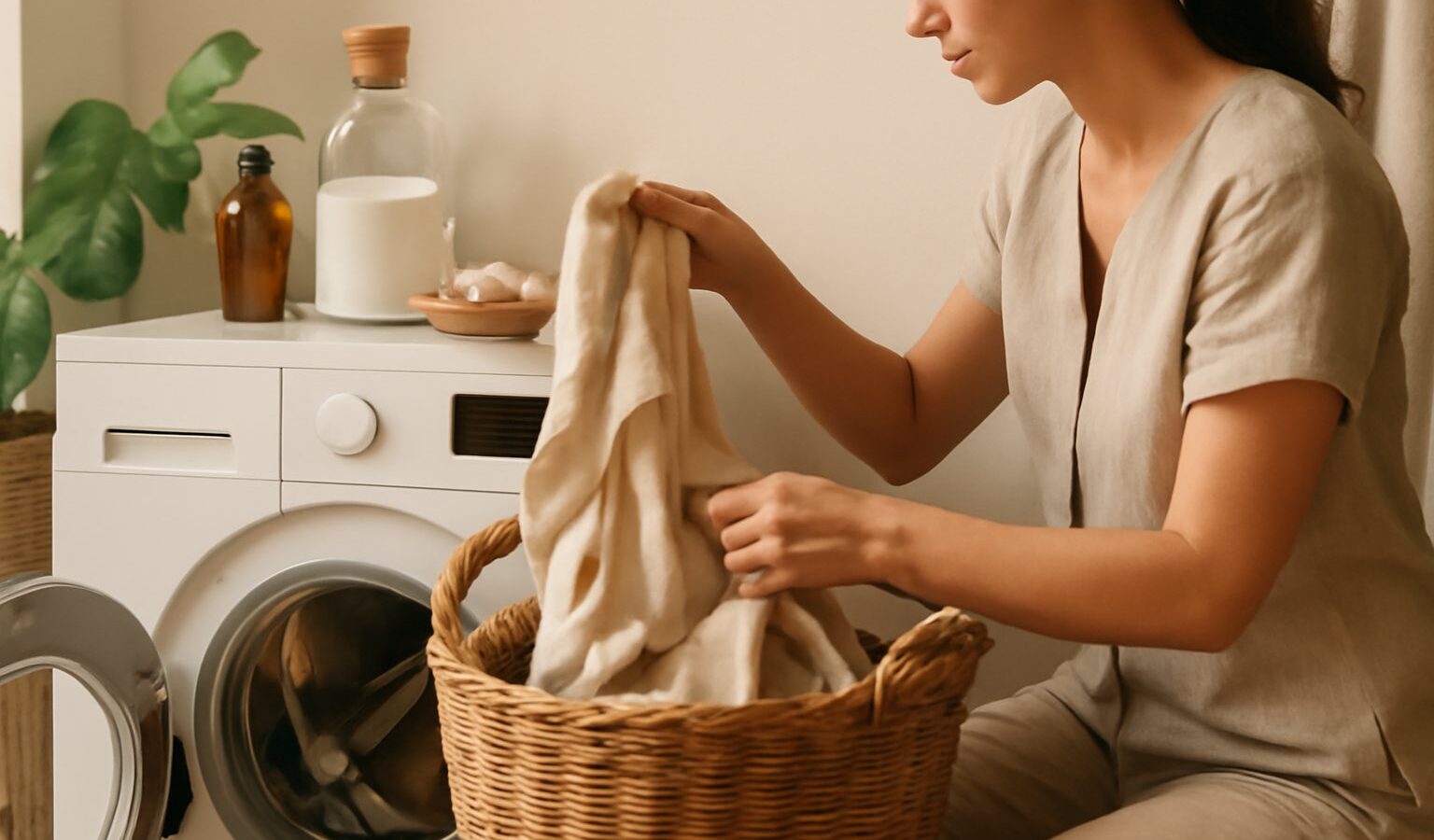
Laundry is one of those quiet household jobs that runs on autopilot, yet it uses a surprising amount of energy and water every week. The good news is that eco friendly laundry in Singapore does not ask you to buy anything fancy or scrub by hand. A few small changes to how you wash, dry, and dose your detergent can trim your bills, help your clothes last longer, and lighten your footprint. This guide keeps things realistic for HDB and condo living, where space is tight, the weather is warm, and nobody has time for perfection.
Why Laundry Adds Up in a Singapore Home
Most of the energy your washer uses does not go into spinning the drum. It goes into heating water. If your machine has a heater and you select a warm or hot cycle, you are paying to warm water that our clothes rarely need. In our climate, cold water works well for everyday wear, sweat, and light stains. Skipping the heat is the single biggest saving most households can make.
Water is the other half of the story. PUB reminds us that Singapore is a water-stressed country, so every full load you avoid running half-empty helps stretch a precious resource. Frequent small washes, a habit many of us fall into, quietly double the water and power you use for the same pile of clothes.
There is also wear and tear. Hot water, long cycles, and over-drying fade colours and weaken fibres faster. Gentler laundry is greener laundry, and it keeps your favourite shirt in rotation for years instead of months. That matters, because the most sustainable clothing is the clothing you already own and keep wearing.
Wash Smart: Cold Water and Full Loads
Start with the settings, since they cost nothing to change. Choose a cold or ambient wash for daily clothes and switch to a shorter eco cycle where your machine offers one. Eco cycles often run longer on the clock but use less water and energy overall, so do not be put off by the time.
Then think about how you load the drum. A few habits make a real difference:
- Wait for a full load rather than washing a handful of items. Full loads use water and power far more efficiently per garment.
- Do not overpack either. Clothes need room to move so they actually get clean, which saves you from rewashing.
- Measure your detergent instead of pouring by eye. Too much creates extra suds, needs more rinsing, and can leave residue on fabric.
- Treat stains with a dab of soap and a soak before washing, so you can keep the whole load on a gentle cold cycle.
Sorting still matters, but you can keep it simple. Group by colour and by how dirty things are, wash similar items together, and turn dark or printed clothes inside out to protect them. These little steps mean fewer redos, which is where the real waste hides.
Drying in Our Humid Weather
Here is where Singapore has a genuine advantage. We are warm almost every day, so air drying is free, gentle on clothes, and avoids the heavy energy use of a tumble dryer. Bamboo poles, a foldable rack near a breezy window, a service yard, or a shaded balcony all do the job. Sun helps freshen whites and naturally reduces odours.
Humidity is the catch, especially during the monsoon stretches when nothing seems to dry. A few tricks help:
- Spin clothes an extra time before hanging so they start off less soggy.
- Space garments out with gaps for air to flow, rather than bunching them together.
- Hang laundry in front of a fan or in the most ventilated spot you have when the air is damp.
- Bring items in promptly once dry so they do not pick up moisture again overnight.
If you do own a dryer, save it for rainy days and use the moisture-sensor or eco setting so it stops when clothes are done rather than baking them. Cleaning the lint filter after every load keeps it running efficiently and safely. Reserving the dryer as a backup, not a default, is one of the easiest wins in eco friendly laundry.
Choosing and Caring for Your Machine
When it is time to replace a washer, let the label guide you. EMA and NEA run the Mandatory Energy Labelling Scheme, so look for the energy tick rating and the water efficiency label before you compare brands or prices. A model with more ticks costs less to run over its life, which usually outweighs a slightly higher sticker price. Check the official EMA and PUB resources for the current rating details rather than relying on old figures.
Front-loading machines generally use less water than top loaders, though the best choice depends on your space, budget, and household size. Whatever you have, a little care keeps it efficient: wipe the door seal, leave the door ajar to air out and prevent mildew, and run an occasional empty maintenance wash to keep it fresh. A well-kept machine works better and lasts longer, which beats buying a new one.
Small Swaps for Greener, Longer-Lasting Clothes
Beyond the wash itself, a handful of gentle swaps round out your routine. Wearing outer layers more than once before washing, airing out lightly worn clothes overnight, and spot-cleaning small marks all cut down the pile without any effort. Fewer washes means less energy, less water, and less wear.
The table below sums up where your choices land, so you can pick the easy wins first.
| Laundry choice | Energy and water use | Effect on clothes | Best for |
|---|---|---|---|
| Cold wash, full load | Low | Gentle, colours last | Everyday clothes |
| Warm or hot wash | High | Fades and weakens fibres | Rare heavy soiling only |
| Air drying | None | Kind to fabric | Almost every day here |
| Tumble drying | High | Shrinks and wears fabric | Rainy-day backup |
On detergent, more is not better. A modest amount of a concentrated product cleans just as well and rinses out cleanly, and refill options are increasingly common if you want to cut plastic. Keep expectations kind, though. No one runs a flawless zero-impact laundry room, and you do not need to. Cold washing, filling the drum, and drying on the pole already put you well ahead.
Explore more
Laundry is one piece of a lower-energy home. If you want to keep the momentum going, see our guide to saving energy in the kitchen and our walkthrough on doing a simple home energy audit. To understand what all these habits do to your monthly costs, read how to read and cut your electricity bill next.
Related across Sky Media: Eco-Friendly and Upcycled DIY Ideas · How to Do Your Laundry Properly