
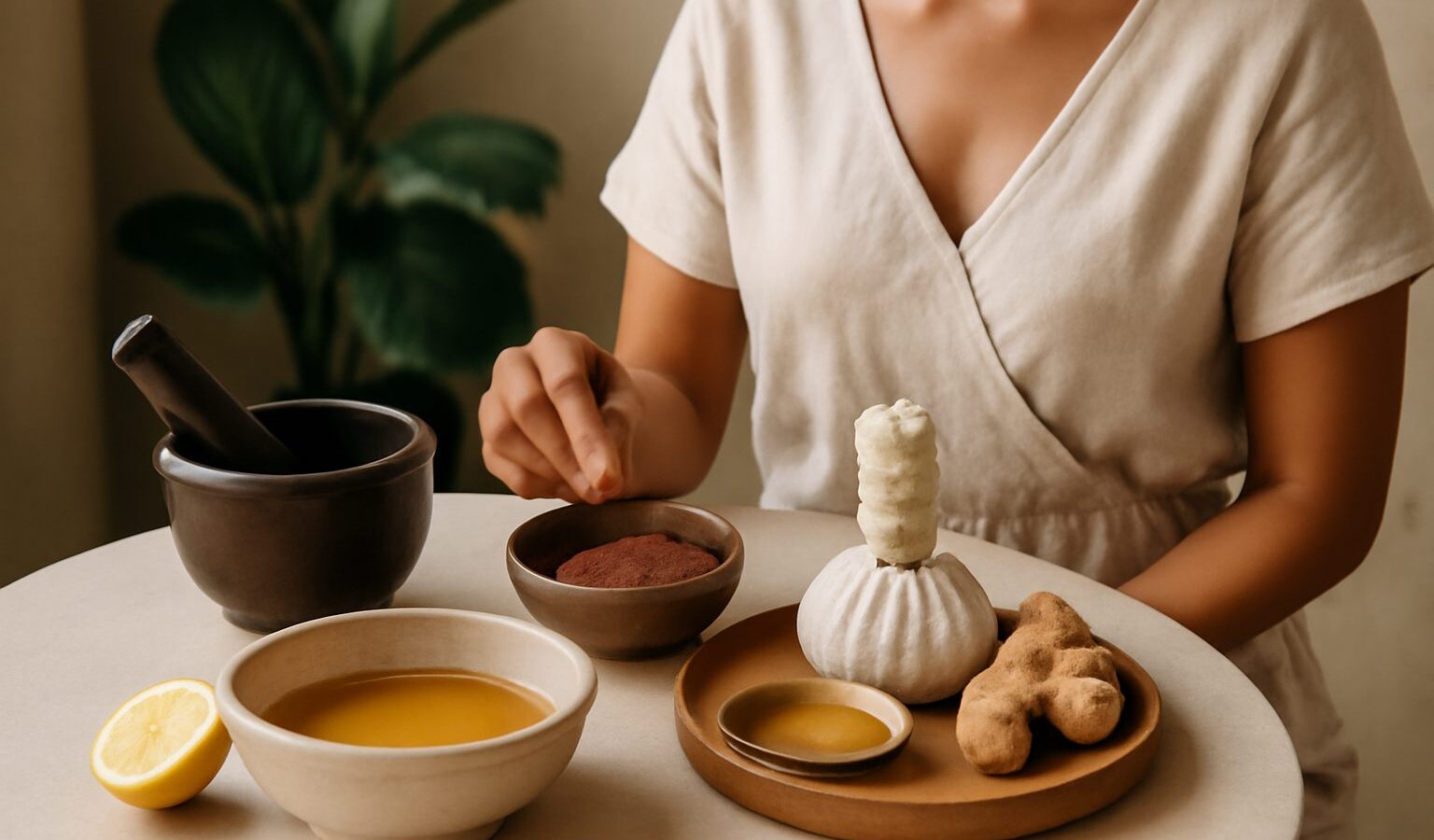
Ayurveda is one of the world’s oldest systems of traditional wellness, developed in India over many centuries. If you have come across ayurveda in Singapore through a spa treatment, a self-massage ritual or a friend describing their morning routine, you may be curious about what it actually involves. This is a gentle, respectful introduction to its ideas and everyday practices. Before we begin, an important note: ayurveda is a traditional system of wellness and lifestyle, not a proven medical treatment and not a substitute for medical care. It is best thought of as a way to bring rhythm and mindfulness to daily life, alongside, never instead of, the advice of a qualified doctor.

What Ayurveda Is, and What It Is Not
At its heart, ayurveda is a philosophy of balance. It teaches that each person has a unique constitution and that wellbeing comes from living in harmony with your own nature, the seasons and the times of day. Much of it centres on simple, sensible habits: eating mindfully, keeping a steady daily routine, moving your body, resting well and taking time to calm the mind. Many of these ideas overlap with wellness practices from all over the world, which is part of why they have stayed popular for so long.
It is just as important to be clear about the limits. Ayurveda should be understood as traditional and complementary wellness, a way to relax and feel more grounded, rather than a treatment that can diagnose, cure or manage medical conditions. Claims that it can replace medical treatment are not supported, and delaying proper care in favour of any complementary practice can be harmful. If you have a health condition, are pregnant or breastfeeding, or notice any new or worsening symptoms, see a doctor and do not put off treatment. Think of the practices below as gentle additions to a life that still includes regular medical care.
Everyday Practices You Can Explore Gently
Much of ayurveda’s appeal lies in small, calming rituals that fit easily into a modern Singapore day. None of these are medical interventions, and you should stop anything that causes discomfort or irritation.
- A steady daily rhythm. Rising, eating and sleeping at consistent times is a core idea, and it happens to align with what we know supports good rest. Our guide to building a better sleep routine offers practical, everyday steps.
- Mindful eating. Sitting down for meals, eating slowly and paying attention to how food makes you feel is central to the tradition and simply good sense.
- Self-massage with oil, sometimes called abhyanga. Warming a plain skin-safe oil and massaging it into the body before a shower can feel deeply relaxing. Do a patch test first, keep oil away from the eyes, and avoid broken or irritated skin.
- Breath and stillness. Gentle breathing exercises and quiet moments are woven through the tradition. You can explore these safely through breathwork and relaxation techniques.
- Tongue scraping and a calm morning wash. Simple hygiene rituals that make an unhurried start to the day feel intentional.
The thread running through all of these is not a promise of results but a sense of calm and routine. Treat them as self-care you enjoy, and let go of any that do not suit you.
A Careful Word on Herbs and Diet
Ayurveda often involves herbal preparations, spice blends and dietary suggestions, and this is where the most caution is needed. Herbal products are not automatically safe simply because they are natural or traditional. They can be potent, they can interact with prescription medication, and their quality and contents can vary widely from product to product.
Before taking any ayurvedic herb, supplement or preparation, check with a doctor or pharmacist first, especially if you are pregnant or breastfeeding, taking any medication, managing a health condition, or approaching surgery. This is not a formality. Some herbal ingredients can affect how medicines work, and a professional can tell you whether something is appropriate for you. Avoid anything that makes cure claims or promises to treat a specific illness, be wary of products with unclear labelling, and never use a supplement as a reason to stop or skip prescribed treatment. Food-based ideas such as eating warm, freshly cooked meals and favouring gentle spices are low risk and easy to enjoy, but the moment you move into concentrated herbal preparations, a conversation with a healthcare professional comes first.
Fitting It Into a Balanced Life
The most useful way to approach ayurveda is as a source of calming rituals and a reminder to live at a kinder, more regular pace, not as a medical system to lean on. Take the parts that bring you peace, a slower morning, a warming oil massage, a few quiet breaths, mindful meals, and leave the rest. If a practitioner or product promises to cure a condition or steer you away from your doctor, treat that as a clear signal to walk away.
Approached this way, these traditions sit comfortably alongside modern life and modern medicine. For more everyday grounding, our guides to managing stress and relaxation and building a morning wellness routine offer gentle, practical starting points. Enjoy the calm these rituals can bring, keep your expectations honest, and always let a qualified doctor guide anything to do with your health.
Frequently Asked Questions
Is ayurvedic massage safe during pregnancy? Not automatically. Some oils, techniques and pressure are not suitable in pregnancy, so check with your doctor before any ayurvedic massage or herbal product. Tell the therapist you are pregnant. If you feel pain, dizziness or anything unusual, stop and seek medical advice.
What is a dosha, and do I need to know mine? In ayurveda, doshas are described as three types of constitution used to talk about balance. You do not need to know yours to enjoy basic habits like regular meals and sleep. Online quizzes are informal and are not a medical assessment.
Can ayurveda help with stress and sleep? Calming routines such as a steady bedtime, slow breathing and a warm oil self-massage may help you unwind, though they are not treatments. If stress or poor sleep is affecting daily life or lasts for weeks, see a doctor rather than relying on wellness practices.
Are ayurvedic herbs and supplements regulated in Singapore? Herbal products are not automatically safe, and quality and contents can vary. Check with a doctor or pharmacist before taking any, and look to the Health Sciences Authority for official guidance on health products. Avoid anything promising to cure illness.
What should I look for in an ayurvedic spa or practitioner? Choose someone who is clear that ayurveda is complementary and who never tells you to stop medical treatment or promises cures. Ask about oils and ingredients, mention allergies and health conditions, and walk away if you feel pressured to buy supplements.
Further reading: Grounding and Earthing Explained · Adaptogens and Herbal Wellness