
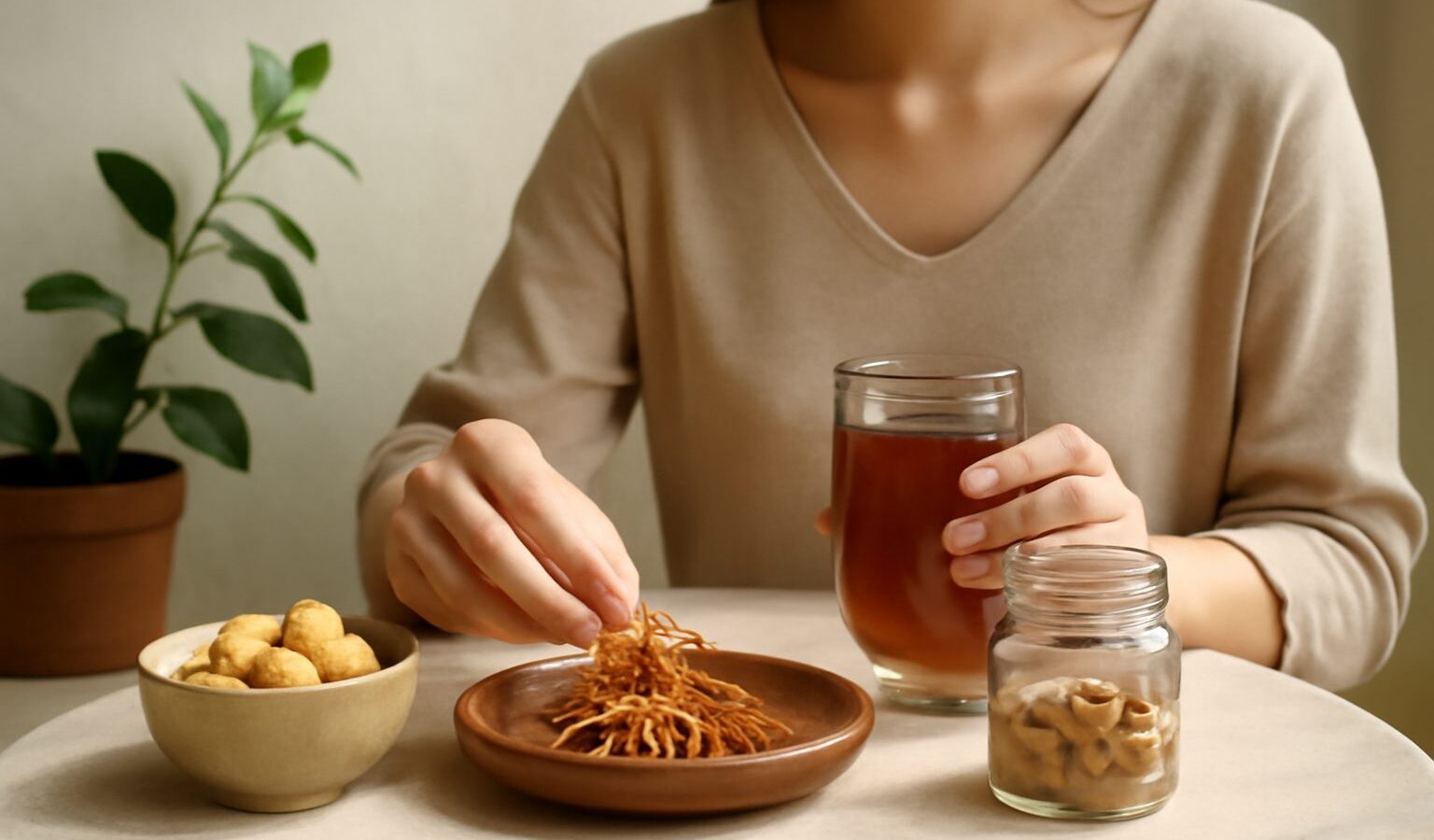
Adaptogens have quietly moved from herbalist shelves into cafes, smoothie menus, and glossy supplement labels. You have probably seen ashwagandha in a latte or reishi in a wellness powder and wondered whether any of it is worth trying. If you are weighing up adaptogens in Singapore, this guide keeps things grounded, explaining what these herbs are, how people tend to use them, and the important safety checks to make first.
One thing up front. This is general wellness information, not medical advice. Herbs and supplements can interact with medication and are not right for everyone. Before trying any adaptogen or herbal product, check with a doctor or pharmacist, especially if you are pregnant, breastfeeding, taking medication, managing a health condition, or heading for surgery. There are no magic cures here, and we will not be suggesting doses.
What adaptogens are
Adaptogen is a term for a group of plants and mushrooms, drawn largely from traditional herbal systems, that are said to help the body cope with stress. Familiar examples include ashwagandha, rhodiola, holy basil (tulsi), ginseng, and functional mushrooms such as reishi and cordyceps. The general theory is that they gently support the body’s stress response and help you feel more balanced, rather than acting quickly like a stimulant or a sedative.
It helps to be honest about the science. Research on adaptogens is still limited and mixed. Some herbs have small studies suggesting effects on stress or fatigue, but the evidence is far from settled, and quality varies a lot between products. That does not mean the tradition is worthless, but it does mean you should treat bold marketing claims with healthy scepticism. Think of adaptogens as one small, optional part of a wellness routine, not a shortcut, and remember that the basics of managing stress and relaxation will always do more heavy lifting than any powder.
How people use them
Adaptogens usually come as capsules, loose or encapsulated powders, teas, or tinctures. Powders get stirred into coffee, smoothies, or warm milk, while teas and tinctures are brewed or dropped into water. Many people build them into a calm daily habit, taking a herbal tea in the evening to wind down or adding a mushroom blend to a morning drink.
If you like the idea of a small ritual, folding a herbal tea into a wider morning wellness routine can make the moment itself feel restorative, regardless of what the herb is doing. The act of pausing, brewing, and sipping slowly is calming in its own right. Just keep your expectations modest and let the ritual, rather than any promised benefit, be the reward.
Safety comes first
This is the part that matters most. Natural does not mean risk-free, and herbal products can be surprisingly powerful.
- Talk to a doctor or pharmacist before starting, particularly if you take any medication. Some herbs can interact with blood thinners, blood pressure drugs, diabetes medication, thyroid medication, sedatives, and more.
- Avoid adaptogens if you are pregnant or breastfeeding unless your doctor specifically approves. Many have not been studied for safety in these situations.
- Stop and seek advice before any planned surgery, since some herbs affect bleeding, blood sugar, or how you respond to anaesthesia.
- Introduce only one new product at a time so you can notice how you feel and spot any reaction.
- Buy from reputable sources. Supplements are not regulated as tightly as medicines, and quality, purity, and labelling can vary. Check ingredient lists and look for products that state what is actually inside.
- Watch for side effects such as an upset stomach, headaches, changes in sleep, or feeling wired, and stop if something does not agree with you.
If you have a diagnosed condition or persistent symptoms, herbs are not the answer on their own. See a doctor and do not delay proper treatment while experimenting with supplements.
Fitting herbal wellness into everyday life
If you and your pharmacist or doctor agree an adaptogen is fine for you, treat it as a gentle add-on rather than the centrepiece. The unglamorous fundamentals still matter most, namely regular sleep, movement, decent food, hydration, and time to decompress. Herbal wellness works best when it supports those habits, not when it is asked to replace them.
You do not need to spend a lot, either. A simple cup of caffeine-free herbal tea can be just as soothing as an expensive branded blend, which fits neatly with our thinking on wellness on a budget. And if your interest in botanicals extends to skin, some of the same plants and fungi appear in topical products, as we cover in our look at mushroom skincare and tremella, where the aim is again general care rather than any medical claim.
Approach adaptogens with curiosity and caution in equal measure. Enjoy the ritual, keep your expectations realistic, buy carefully, and always run new herbs past a doctor or pharmacist first. Used sensibly, herbal wellness can be a pleasant part of your routine. It simply should never take the place of proper medical care.