
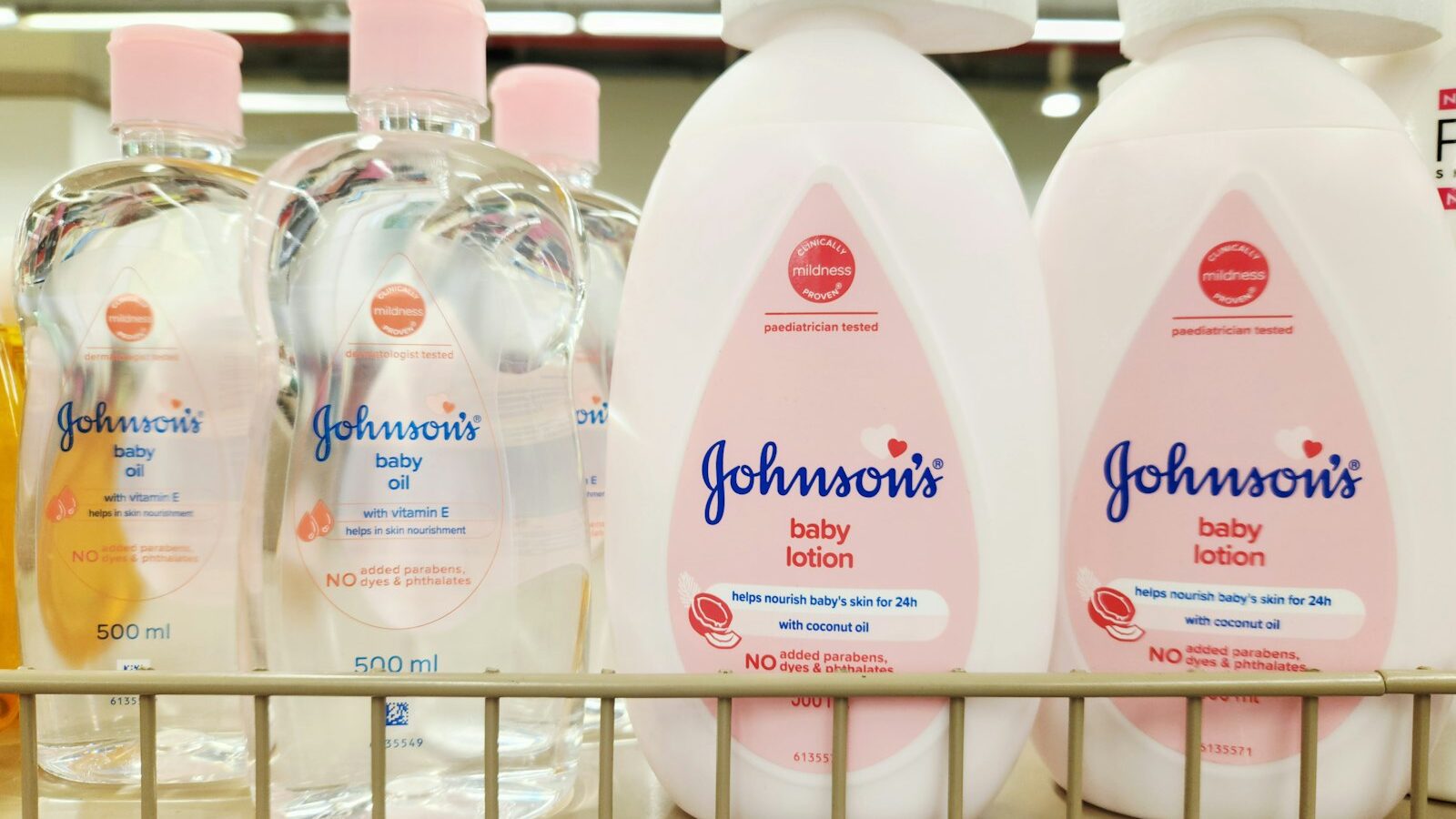
A newborn’s skin is soft, thin, and still learning how to protect itself, so a little extra gentleness goes a long way. If you are dealing with dry, red, or itchy patches, know that baby eczema singapore families see very often, and there is plenty you can do to soothe it. This is general information and not medical advice, so for skin that is persistent, spreading, weeping, or clearly bothering your baby, please see a doctor. With warm, humid days and cool, drying air-conditioning, our climate brings its own skincare quirks, and this guide will help you find a calm, workable routine.
Understanding Baby Skin and Eczema
For the first weeks, a baby’s skin barrier is still developing, which means it loses moisture more easily and is more sensitive to irritation. That is why simple, low-fuss care usually beats a cupboard full of products.
Eczema, also called atopic dermatitis, is a common condition where the skin barrier does not hold moisture well and becomes dry, itchy, and inflamed. It often shows up as rough, red or darker patches on the cheeks, scalp, and the folds of the elbows and knees, though it can appear elsewhere. It tends to come and go in flares. Eczema is not contagious, and it is not caused by anything you did wrong. Many babies improve as they grow, and gentle daily care makes a real difference in the meantime.
A Gentle Everyday Routine
The two pillars of caring for sensitive or eczema-prone skin are gentle cleansing and regular moisturising. Keep it simple and consistent.
- Bath in lukewarm, not hot, water for about five to ten minutes. Long, hot baths can dry the skin.
- Use a mild, fragrance-free, soap-free cleanser, or plain water for very young babies. Avoid bubble baths and heavily scented products.
- Pat, do not rub, the skin dry with a soft towel, leaving it slightly damp.
- Moisturise within a few minutes of the bath to lock in water, and reapply through the day as needed, especially on dry patches.
- Choose a fragrance-free moisturiser suited to sensitive baby skin, and apply a generous, smooth layer in the direction of hair growth.
- Dress your baby in soft, breathable cotton, and wash new clothes before first use.
Moisturising often is the single most helpful habit for eczema-prone skin. Think of it as topping up the skin’s defences several times a day rather than waiting for dryness to appear.
Managing the Singapore Climate
Our weather asks a bit of balance. Heat and sweat can trigger itching and prickly heat, while strong air-conditioning can dry the skin out. A few simple adjustments help.
| Trigger in our climate | Why it bothers skin | Gentle way to manage |
|---|---|---|
| Heat and humidity | Sweat irritates and can worsen itch | Light cotton clothing, keep baby cool, wipe sweat gently and reapply moisturiser |
| Air-conditioning | Dries the air and the skin | Moisturise more often, avoid pointing the cold draught at baby |
| Sweat after play or naps | Salt and moisture irritate patches | A quick rinse or gentle wipe, then moisturise |
| Rough or synthetic fabrics | Scratch and trap heat | Choose soft, loose, breathable cotton |
| Fragranced products | Common irritants | Use fragrance-free cleansers, lotions, and detergents |
If you use fans or aircon overnight, keep the room comfortably cool rather than cold, and keep up the moisturiser so skin does not dry out while your baby sleeps.
Spotting and Avoiding Triggers
Eczema flares often have triggers, and gently noticing patterns can help you dodge them. Common ones include heat and sweat, fragranced soaps and lotions, harsh laundry detergents, rough fabrics like wool, dust, and sometimes saliva around the mouth during teething. Scratching also worsens things, so keep your baby’s nails short and smooth, and consider light cotton scratch mittens during bad flares.
Food and eczema can be linked in some babies, but this is an area to explore with a doctor rather than by cutting out foods on your own. Restricting a baby’s or a breastfeeding parent’s diet without guidance can do more harm than good, so please get professional advice before making changes.
Keep your approach steady and low-drama. You do not need to overhaul everything at once. Change one thing at a time, watch how the skin responds, and hold on to what works.
When to See a Doctor
Gentle home care manages many mild cases, but some situations need a professional. Please see a doctor if the eczema:
- Is persistent, widespread, or not improving with regular moisturising.
- Looks infected, meaning it is weeping, crusting with yellow or golden crusts, blistering, or the skin is hot, very red, and swollen.
- Comes with a fever or an unwell baby.
- Is clearly distressing your baby, disturbing sleep, or causing constant scratching.
- Appears suddenly and severely, or you are simply unsure what you are looking at.
A doctor can confirm the diagnosis, check for infection, and, where appropriate, recommend treatments such as medicated creams. Used correctly and under guidance, these treatments are an important part of care, so follow the instructions you are given rather than stopping early once the skin looks better. If a rash ever comes with breathing difficulty, facial swelling, or a widespread reaction, treat it as an emergency and seek urgent care.
Everyday Comfort and Reassurance
Living with a baby’s eczema can be tiring, especially when itching disturbs sleep. Be gentle with yourself as well as your baby. Keep fingernails trimmed, offer plenty of cuddles, and try to keep your little one cool and comfortable during flares. Distraction, calm handling, and a soothing bedtime routine can all help take the edge off an itchy evening.
Most importantly, remember that flares are not a sign of failure. Skin has good days and bad days, and your steady care, a simple cleanser, regular moisturiser, soft cotton, and a cool environment, gives your baby the best foundation. Lean on your doctor for anything stubborn or worrying, and trust that many children see their eczema ease as they grow.
Explore more
Managing Childhood Allergies and Eczema
Common Baby Illnesses and When to Worry
Baby Massage and Bonding
Newborn Essentials Checklist