
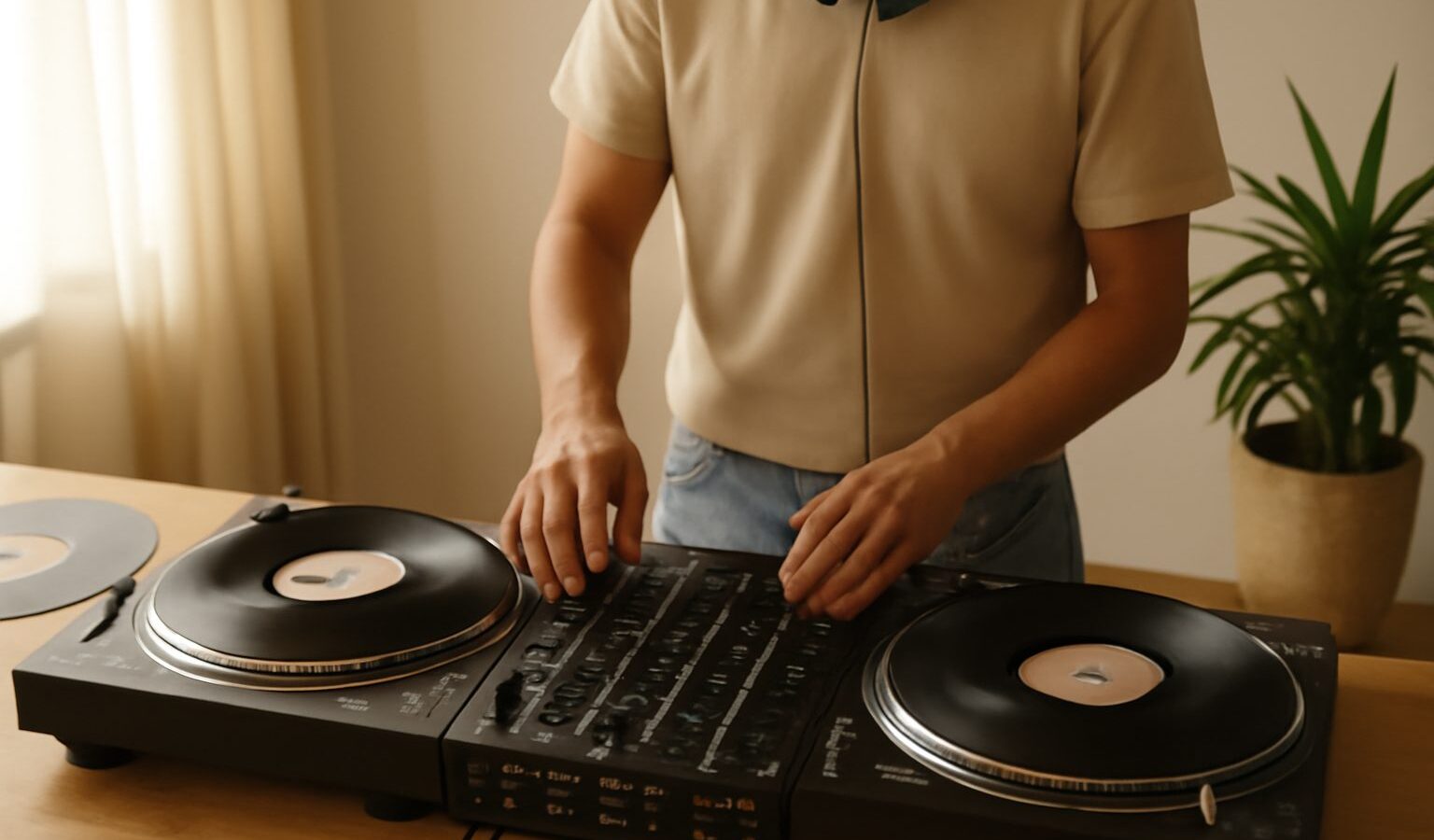
If DJing has a signature skill, this is it. Beatmatching is the craft of getting two songs to play at exactly the same tempo, locked in step, so you can blend one into the other without the dance floor missing a beat. Learning beatmatching in Singapore is easier than ever thanks to modern controllers and helpful software, but the underlying skill still rewards patient practice and a good ear. Once it clicks, mixing stops feeling like a fight and starts feeling like a conversation between two tracks.
This guide breaks down what beatmatching really is, how to do it step by step, and how EQ and phrasing turn a technically correct mix into a genuinely smooth one.
What Beatmatching Really Means
Every dance track has a tempo, measured in beats per minute (BPM). If one song is at 122 BPM and the next is at 126, playing them together sounds like a stumbling drunk: the beats drift apart and clash. Beatmatching means adjusting the tempo of the incoming track until it matches the one already playing, then nudging it so the beats line up perfectly. Do that, and the two tracks pulse as one.
There are two parts to getting it right. Tempo matching means setting both tracks to the same BPM. Phase matching means aligning the actual beats so the kick drums land together, not slightly ahead or behind. Software can show you the BPM instantly, but training your ears to hear when two beats are out of sync is what makes you a real DJ rather than a button-presser. Building that sense of timing is helped enormously by general rhythm skills, so our guide to how to count and subdivide rhythm is worth a read alongside this one.
How to Beatmatch, Step by Step
Here is the classic process, which works whether you use vinyl, CDJs, or a controller:
- Start the incoming track in your headphones. The crowd hears only the current track; you cue the next one privately.
- Match the tempo. Use the pitch or tempo slider to bring the new track’s BPM close to the playing track. If your gear shows BPM, get the numbers close, then trust your ears.
- Align the beats. Nudge the incoming track forwards or backwards (with a jog wheel or by touching the platter) until its kick drums land exactly with the ones already playing.
- Listen for drift. If the incoming track slowly slides out of time, its tempo is slightly off. Make a tiny pitch adjustment and re-align.
- Bring it in. Once the beats are locked, use your crossfader and volume to fade the new track in.
Do not be discouraged if this feels clumsy at first. Every DJ has stood there, brow furrowed, wondering why the beats keep sliding apart. It genuinely does become second nature with repetition. If you are just starting your journey, our beginner’s guide to becoming a DJ covers the gear and mindset that support this skill.
A word on sync buttons
Most modern software has a “sync” button that beatmatches for you. There is no shame in using it, and plenty of professionals do. That said, learning to beatmatch by ear first is worth the effort, because it trains your listening, saves you when the software misreads a track, and gives you the confidence to play on any equipment, sync button or not.
Mixing Smoothly: EQ and Phrasing
Matching the beats is only half the job. A great transition also blends the two tracks so they do not fight each other, and it happens at the right musical moment.
The main tool here is EQ. When two tracks play together, their bass frequencies clash and turn to mud. The fix is simple: as you bring the new track in, pull down the bass on one of the tracks, then swap the low end over as the transition completes. This keeps the mix clean and punchy. Our guide to understanding EQ in music explains how those low, mid, and high controls shape sound, and it applies directly to DJing.
Phrasing is the other secret. Dance music is built in phrases, usually blocks of 8, 16, or 32 bars. If you start your mix at the top of a new phrase, the transition feels natural because it respects the song’s structure. Mix at a random point and even a perfect beatmatch can feel jarring. Listen for where sections change, the drop, the breakdown, the return, and use those landmarks to time your blends.
Practise Well and Protect Your Ears
Beatmatching improves fastest with short, focused, regular sessions rather than occasional marathons. Record your practice mixes and listen back; you will hear drifts and clumsy EQ moves that you missed in the moment.
Crucially, guard your hearing throughout. DJs practise and perform in loud environments, and loud or prolonged exposure can cause permanent hearing damage that never comes back. Keep your headphone and monitor levels only as high as you truly need, take breaks to rest your ears, and use proper musicians’ earplugs at gigs. When you play at a venue, follow the house rules on volume and monitoring. Looking after your ears is not optional; it is what lets you keep DJing for a lifetime. If you play out often, our overview of in-ear monitors explained is a useful next step for hearing yourself clearly at safer levels.
Stick with it, mix a little every week, and one day the beats will simply lock into place without you thinking about it. That moment, when the craft turns invisible and the dance floor just moves, is what makes all the practice worthwhile.