
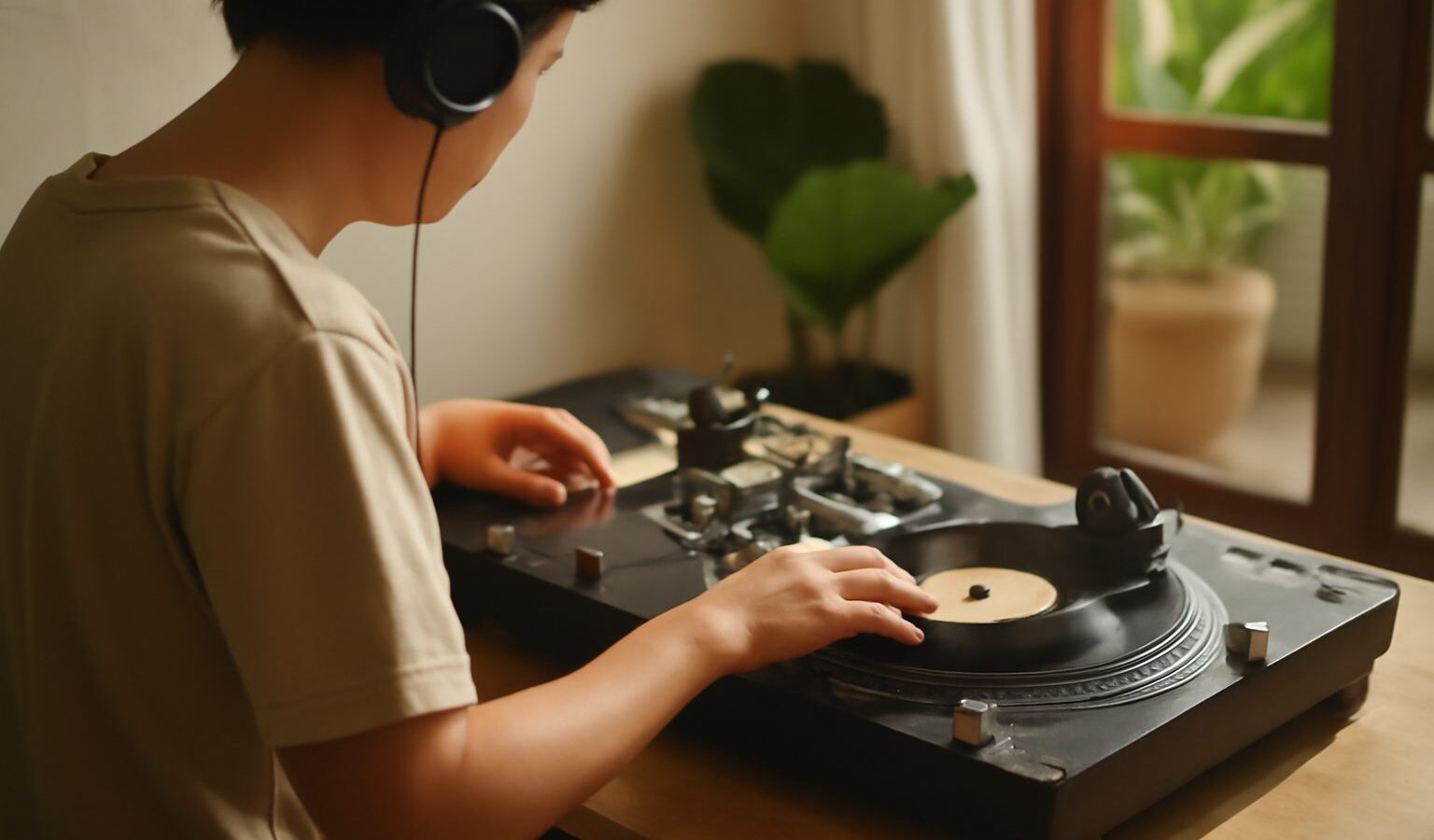
There is something magical about a DJ reading a room, dropping the right track at the right moment, and turning a quiet evening into a proper party. If you have ever stood on a dance floor and thought “I could do that,” you are in good company. Becoming a DJ in Singapore has never been more accessible, with affordable controllers, free software, and a lively local scene to play into. You do not need a fortune or a nightclub to start, just curiosity, a pair of headphones, and a willingness to practise.
This guide covers what a DJ actually does, the gear you really need, the first skills to learn, and how to look after your ears so you can keep doing this for years.
What a DJ Actually Does
At its heart, DJing is the art of playing recorded music for an audience and blending one song into the next so the energy never drops. A good DJ does three things well: they choose the right tracks (this is called selection), they mix smoothly between them, and they read the crowd to sense what will land next. The technical mixing gets a lot of attention, but selection and crowd-reading are what separate a memorable set from a forgettable one.
Modern DJing is usually done on a controller connected to a laptop, though some prefer standalone gear or classic turntables. Whatever the setup, the core idea is the same: two tracks playing at once, matched in tempo, with the DJ fading from one to the other.
The Gear You Actually Need
You can start smaller and cheaper than you might expect. Here is a sensible beginner setup:
- A DJ controller: an entry-level, two-channel controller is plenty. It gives you two decks, a crossfader, and physical knobs, which feel far nicer than clicking a mouse.
- DJ software: several well-known programs offer free versions that work with beginner controllers.
- Headphones: closed-back headphones that seal out sound, so you can cue the next track privately.
- A laptop you already own, in most cases.
Resist the urge to buy the most expensive kit straightaway. Beginner gear teaches you the same fundamentals, and you will understand your needs far better after a few months. When you are ready to learn about the controls in depth, avoid chasing a single “best” model online; instead, try gear in person where you can and read current reviews, since features and value change constantly.
Practising at home
Living in a flat means being considerate about volume. You can do most of your early practice on headphones alone, which keeps the peace with neighbours and protects the walls of your HDB block from thumping bass. Our guide to setting up a home studio in an HDB flat has practical tips on keeping sound contained.
Your First Skills
Start with these building blocks, in roughly this order:
- Learn your library. Know your tracks inside out. Where does the intro end? Where is the drop? A DJ who knows their music can react instantly.
- Cueing. Practise setting a cue point at the start of a track’s beat so you can launch it precisely.
- Beatmatching and blending. Getting two tracks to run at the same tempo and phase is the core skill. It takes patience, and it clicks with practice. We cover this in depth in beatmatching and mixing for DJs.
- Phrasing. Songs are built in groups of bars. Mixing at the right moment, usually at the start of a new section, makes transitions feel natural.
Understanding a little rhythm theory makes all of this easier. If counting beats and bars is new to you, our guide to how to count and subdivide rhythm will give you a solid foundation.
Protect Your Hearing
DJs work in loud rooms for hours at a time, and this is not a small thing. Loud or prolonged exposure to sound can cause permanent, irreversible hearing damage, and DJs are especially at risk because they turn monitors up to hear over the crowd. Please take this seriously from day one.
A few habits make a real difference: keep your headphone and monitor levels only as loud as you genuinely need, take regular breaks away from the speakers, and invest in a pair of musicians’ earplugs that lower the volume evenly without muffling the music. At a venue, follow the house rules and resist the temptation to keep nudging the volume up. Your ears do not heal, so treat them as the precious, career-long tools they are.
Playing Out and Growing
Once you can hold a mix together, start sharing. Record your sets and listen back honestly, play for friends, and look into open decks nights where beginners get stage time. The local scene is welcoming, and our overview of the live music scene in Singapore can point you towards places where music lovers gather. When you do play out, always check and follow the venue’s rules and any permit requirements.
Becoming a DJ is a long, joyful road of small improvements. Start with modest gear, protect your hearing, learn your music deeply, and play as often as you can. The rest is just practice, and practice, happily, is the fun part.