
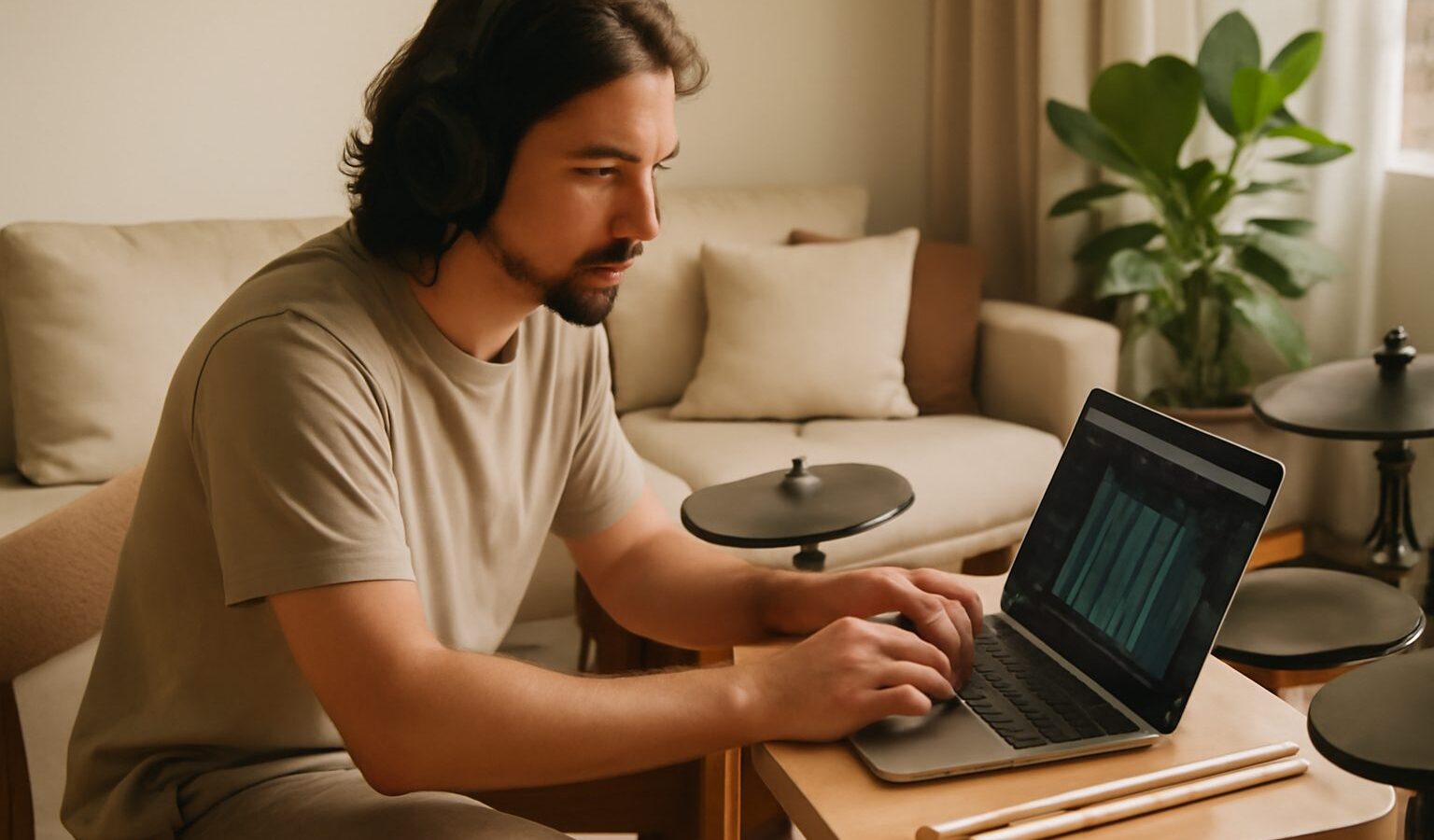
Drums are the engine room of most songs, so getting them right can transform a rough demo into something that feels alive. The good news is that mixing drums Singapore home producers record does not need a fancy studio or expensive gear. With a quiet corner, a decent pair of headphones or monitors, and a bit of patience, you can shape a kit that sits well and drives the track forward. This guide walks through the ideas that matter most, in plain language, so you can get better results without getting lost in the technical weeds.
Before anything else, remember to protect your ears. Drum mixes tempt you to push the volume, especially when you want that big, exciting thump. Keep your listening level moderate, take regular breaks, and do not mix loud for hours on end. Loud or prolonged exposure can cause permanent hearing damage, and tired ears also make worse decisions. Mixing at a comfortable, conversational level is both safer and more accurate.
Start with balance, not effects
The single most useful thing you can do is get the volume relationship between drum parts right before reaching for any processing. Bring up the kick and snare first, since they form the backbone, then add the hi-hats, toms, cymbals, and any overheads or room sound around them. Aim for a kit that already feels believable and musical with faders alone. If a snare is buried, turn it up rather than immediately grabbing an effect.
Panning helps the kit breathe. Kick and snare usually sit in the centre, while hi-hats, toms, and cymbals can spread gently left and right to mirror how a kit sounds from the drummer’s or the listener’s perspective. Keep it tasteful. Extreme panning can feel disorienting, especially on earphones. If you want a refresher on the basics of levels and panning, our guide to mixing basics for beginners is a friendly starting point.
If you are working with programmed or sampled drums rather than a recorded kit, the same principles apply. Balance the individual hits, add a little variation in velocity so it does not feel robotic, and make sure the groove locks in before you polish anything.
Shaping the sound with EQ and compression
Once the balance feels right, EQ helps each drum find its own space. A kick often benefits from a lift in the low end for weight, plus a small boost in the upper mids for the beater click that helps it cut through on small speakers and phones. A snare can gain body lower down and crispness higher up. The trick is to make small, purposeful moves and to cut problem frequencies rather than boosting everything. If two drums are fighting, carving a little from one often does more than adding to the other. Our explainer on understanding EQ in music breaks these ideas down further.
Compression controls the difference between the loudest and quietest hits, which can make drums feel steadier and more punchy. Used gently, it evens out an uneven performance and adds a sense of energy. Used heavily, it can squash the life out of a kit, so start subtle and trust your ears. Listen for the drums feeling more consistent, not just louder. Our guide to understanding compression in music explains the controls without the jargon.
The low end deserves special care because kick drums and bass guitars share the same territory and can easily muddy each other. It is worth mixing them together and making room for both. If that side of things interests you, see our companion piece on how to mix bass and low end.
Practical tips for home producers in Singapore
Recording drums in an HDB flat brings the extra challenge of noise. Acoustic kits are loud, so be considerate of your neighbours, practise and track at sensible hours, and consider electronic kits, mesh heads, or practice mutes if a full acoustic setup is not realistic. Many home producers get excellent results from electronic kits or sampled drums precisely because they sidestep the noise and room problems altogether.
Your room and monitoring matter too. Untreated rooms can exaggerate or hide bass, which makes drum decisions harder. Checking your mix on a few different sets of speakers, headphones, and even your phone helps you avoid nasty surprises. Do not chase perfection on the first attempt. Take breaks, come back with fresh ears, and compare your work to songs you love in a similar style.
Finally, keep the bigger picture in mind. A drum mix only needs to serve the song, not win a technical contest. If the groove feels good and the kit sits nicely with everything else, you are on the right track. Save often, label your files, and enjoy the process. Mixing is a skill that grows steadily with practice, and every track you finish teaches you something for the next one.