
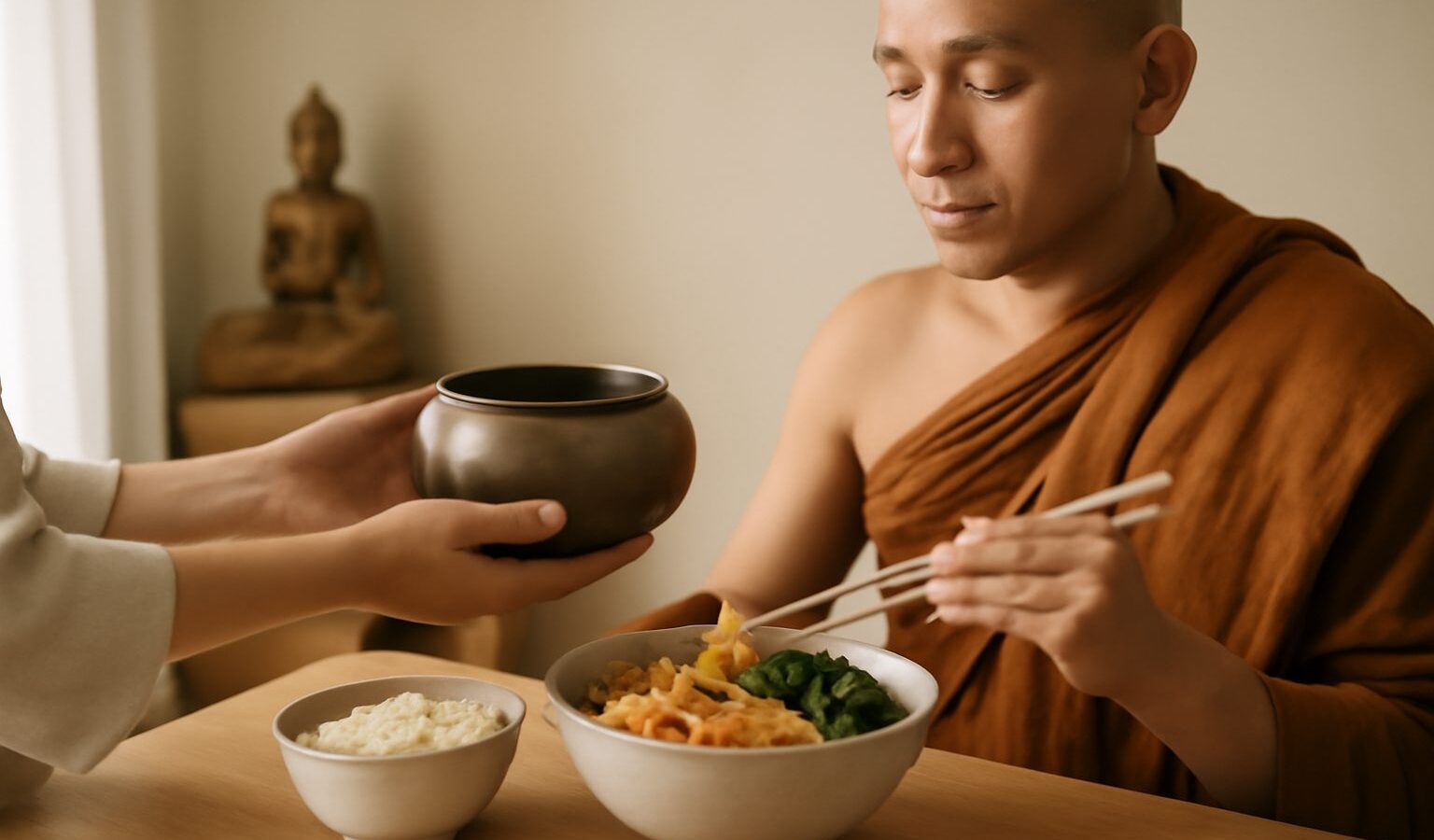
If your family kept a vegetarian day each lunar month, or if you simply grew up with the gentle cooking of temple kitchens, you will be glad to know that vegetarian chinese food singapore offers is both plentiful and authentic. This is zhai, the Buddhist vegetarian tradition, and it is more than food without meat. It follows its own principles, has its own beloved dishes, and carries a calm, mindful spirit that many newcomers find comforting. This guide explains what zhai means, what to expect on the plate, and when and where to seek it out.
Zhai, sometimes written as chai in local usage, refers to Buddhist vegetarian eating. At its heart is compassion and simplicity. The tradition avoids all meat, poultry, and seafood, and strictly speaking it also avoids eggs. Beyond that, it excludes the five pungent alliates, which are garlic, onion, chives, leek, and shallot, since these are believed to stir the senses and cloud a calm mind. Understanding this is the key to ordering well, because zhai is stricter than ordinary vegetarian food and quite different from a Western style meat free diet.
What Zhai Excludes and Why
The exclusion of meat, eggs, and the five pungent vegetables gives zhai its distinctive character. Instead of garlic and onion, cooks build flavour with ginger, mushrooms, fermented bean products, soy sauce, and a careful hand with herbs and spices. The result is food that tastes clean and rounded rather than sharp, and it can be surprisingly rich thanks to clever use of mushrooms, beancurd, and nuts. For a newcomer used to home style temple food, this balance will feel deeply familiar.
Not everyone who eats zhai follows every rule every day. Some diners keep a full Buddhist vegetarian diet, while others simply choose vegetarian meals on certain days or for health and conscience. Restaurants understand this range, and many will tell you whether they cook fully in the no pungent style or a more relaxed version. If avoiding the five alliates matters to you, ask directly, since some vegetarian eateries do use garlic and onion.
Mock Meats and Signature Dishes
One of the joys of zhai cooking is the artistry of mock meat. Skilled kitchens turn beancurd, wheat gluten, konjac, and mushrooms into convincing versions of roast duck, sweet and sour pork, fish, and even prawns. These are not meant to deceive but to let you enjoy familiar textures and festive dishes within the vegetarian tradition. A well made mock meat can be genuinely delicious, and a good zhai restaurant takes real pride in it.
Beyond the showpieces, everyday zhai food is comforting and generous. Think braised beancurd, stir fried greens, mushroom and vegetable claypots, vegetarian bee hoon, monk style mixed vegetables known as luo han zhai, and hearty soups. Many places serve an economical mixed rice style spread where you point at several dishes and pay by the plate, which makes a cheap, wholesome lunch easy to assemble. Meat free dumplings, buns, and noodles round out the choices.
Here is a simple guide to help you understand what fits the zhai tradition and what to check.
| Category | Usually zhai friendly | Ask before ordering |
|---|---|---|
| Proteins | Beancurd, wheat gluten, mushrooms | Whether egg is used |
| Flavour base | Ginger, soy, fermented beans | Whether garlic or onion is added |
| Mock meats | Soy or gluten roast duck, mock fish | Whether any real seafood stock is used |
| Staples | Vegetable rice, bee hoon, dumplings | Whether the broth is fully vegetarian |
| Desserts | Bean soups, soy puddings | Whether gelatine or egg appears |
When and Where to Eat Zhai
Buddhist vegetarian food takes on special meaning around the first and fifteenth days of each lunar month, when many devotees eat vegetarian for spiritual reasons. On these days you will often see vegetarian stalls busier than usual, and some coffee shops set out extra vegetarian choices. It is also central to the ninth lunar month Nine Emperor Gods festival, a period when many people go vegetarian and yellow flags mark participating eateries. Knowing these rhythms helps you plan, since the atmosphere and the variety on offer can be especially lovely at these times.
Where to look is happily straightforward. Singapore has a long established vegetarian dining culture, and you will find dedicated Buddhist vegetarian restaurants, humble hawker stalls, and temple linked eateries across the island. Searching for terms like vegetarian, su shi, or zhai will surface the right places, and many are clearly signed. Because outlets change over time, check a current listing or a delivery app for the one nearest you rather than relying on a fixed address.
A few practical notes will make dining easy. Most zhai food is naturally free of meat and seafood, but if you are strict about eggs or the five pungent vegetables, confirm with the staff, since practices vary. Diners who need halal food should note that vegetarian does not automatically mean halal certified, so check separately if that matters to you. And if you have allergies to soy, gluten, or nuts, mention them early, since these ingredients feature heavily in vegetarian cooking.
It is also worth exploring how varied zhai cooking can be beyond the everyday plate. Some restaurants offer refined multi course meals for special occasions, turning vegetarian ingredients into elegant banquet dishes fit for a birthday or a family gathering. Others keep things simple and cheap, perfect for a quick weekday lunch. Trying both ends of the range gives you a fuller picture of the tradition, and it shows how much creativity cooks bring to a diet built on restraint. If you cook at home too, many of these places sell mock meats, beancurd products, and vegetarian sauces that let you recreate favourite dishes in your own kitchen.
Eating zhai here is a gentle pleasure. Whether you keep a full Buddhist vegetarian diet, mark the first and fifteenth, or simply want a wholesome meat free meal that tastes of home, the tradition is alive and well and easy to find. A plate of monk style vegetables or a bowl of mushroom noodles can be both nourishing and quietly grounding, a small daily reminder of the values you carried with you.
Explore more
Vegetarian Food in Singapore
Where to Find Northern Chinese Food
Where to Find Yunnan and Guizhou Food in Singapore
Where to Find Hunan Food