
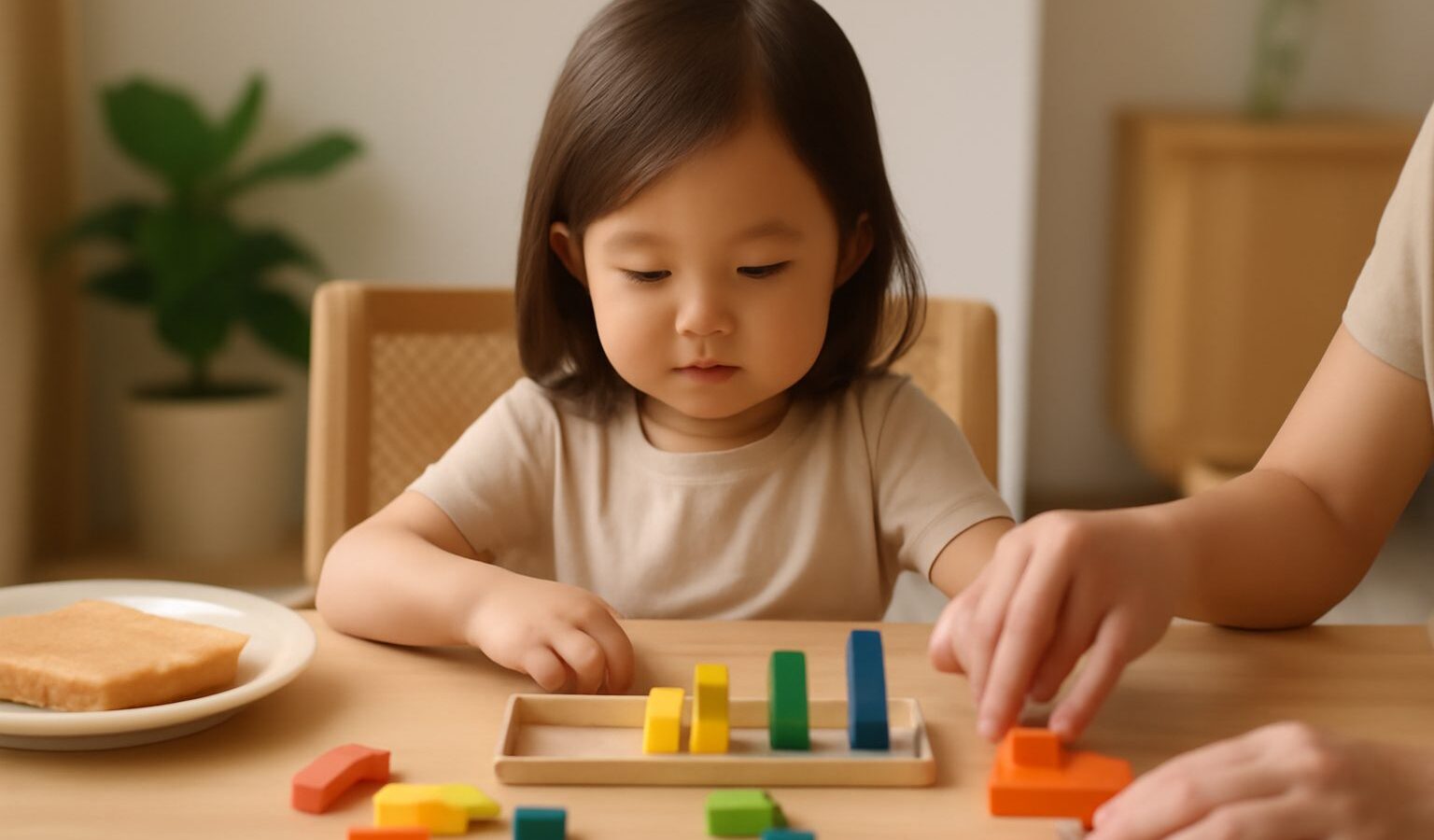
Long before your child sits any test, maths is already happening at home. It is in the way they share biscuits fairly, notice that one tower is taller than another, or count the steps up to the flat. Building early maths skills is less about worksheets and flashcards and more about helping children see numbers, shapes and patterns as a natural part of daily life. When maths feels friendly and playful, children grow curious rather than anxious, and that confidence carries them a long way.
This guide is for parents of preschoolers and lower-primary children who want to nurture a strong foundation without pressure. You do not need special equipment, a tuition centre, or a tight schedule. You need everyday moments, a bit of patience, and a willingness to follow your child’s lead.
What Number Sense Really Means
Number sense is the quiet understanding that sits underneath all later maths. It is knowing that “five” means a group of five things, that six is one more than five, and that numbers can be broken apart and put back together. A child with good number sense can estimate, compare, and reason, not just recite numbers from memory.
Reciting “one, two, three” up to a hundred looks impressive, but it is only the surface. The deeper skill is matching each number word to one object as you count, and understanding that the last number you say tells you how many there are. This is why counting real things, slowly and out loud, matters more than speed.
Early maths also includes ideas beyond numbers:
- Comparison: bigger and smaller, longer and shorter, heavier and lighter.
- Patterns: red, blue, red, blue, and working out what comes next.
- Shape and space: circles, squares, and how pieces fit together.
- Sorting: grouping socks, buttons, or toys by colour or size.
When children play with these ideas often, formal maths in Primary One feels like a familiar friend rather than a stranger.
Everyday Moments That Build Maths
The kitchen, the wet market, and the walk to the bus stop are all rich with maths, and they cost nothing. The trick is to talk about numbers as you go, naturally, without turning every moment into a lesson.
Try weaving in gentle maths talk during ordinary routines:
- Cooking together: count scoops of rice, measure water, or halve a sandwich and talk about two equal parts.
- At the market or supermarket: compare prices, weigh fruit, and count out the right number of oranges.
- Setting the table: work out how many plates, spoons and cups the family needs tonight.
- Tidying up: sort toys into groups and count each pile.
- On the go: spot house numbers, count bus stops, or look for shapes in buildings and playground equipment.
The goal is exposure and conversation, not correctness. If your child miscounts, avoid rushing to fix it. Instead, recount together slowly and cheerfully. Being right matters far less at this stage than staying interested.
Games And Play That Grow Early Maths Skills
Play is how young children learn best, and simple games build early maths skills naturally. Many favourites you already own are quietly mathematical.
Board games with dice teach children to count spaces, recognise numbers, and take turns. Card games help them compare which number is bigger. Building blocks develop spatial reasoning, balance and pattern. Even a pack of playing cards or a handful of buttons can become a maths toy.
A few easy activities to try:
- Dice races: roll a die and hop that many steps, counting each hop aloud.
- Snack sharing: split raisins or crackers equally between two soft toys and talk about fairness.
- Pattern hunts: make a pattern with blocks or beads and ask your child to continue it.
- Shape walks: during an evening stroll, name the shapes you see on signs, tiles and windows.
- Guess and check: guess how many spoons fit in a cup, then count to find out.
Keep sessions short and joyful. Five focused minutes of a game your child enjoys does more than half an hour of reluctant drilling. When they lose interest, stop, and return another day.
Playful Learning Versus Pressured Drilling
Parents sometimes worry that play is not “real” learning and that only worksheets and speed drills count. In the early years, the opposite is usually true. Understanding built through play tends to be deeper and more lasting, while heavy drilling can make a young child tense and switched off. The table below shows the difference in spirit.
| Approach | Playful, exploratory maths | Pressured, drill-heavy maths |
|---|---|---|
| How it feels | Curious, relaxed, fun | Anxious, tiring, tense |
| Focus | Understanding and reasoning | Speed and memorising |
| Mistakes | A normal part of learning | Something to fear |
| Pace | Follows the child | Follows a strict schedule |
| Long-term effect | Confidence and interest | Possible avoidance and worry |
None of this means structure is bad. Gentle routines, like a short number game after dinner, can help. The point is to keep the mood warm and the pressure low, so your child associates maths with discovery rather than dread.
Supporting Without Taking Over
As your child works something out, the hardest and kindest thing is often to wait. Give them time to think before you jump in with the answer. If they are stuck, offer a small hint or ask a question like, “What could we try next?” rather than solving it for them. That pause is where real thinking grows.
Notice and name effort rather than cleverness. “You kept trying different ways, well done” encourages persistence far more than “You are so smart.” Children who believe maths ability can grow with practice are more willing to tackle hard problems later on.
Watch your own words about maths too. If you say things like “I was always hopeless at maths,” children may quietly decide it is fine to give up. A calm, “Let us work this out together,” models the attitude you want them to keep.
Every child moves at their own pace, and comparisons with cousins or classmates rarely help. If you have genuine concerns about your child’s learning or development, speak with their preschool teacher, and if worries persist, a doctor or a qualified professional can offer guidance. This article is general information to support everyday learning at home, not a diagnostic tool.
The aim of these early years is simple and generous: to help your child feel that they are a person who can do maths, enjoy thinking, and keep going when things get tricky. Build that quiet confidence now, and the numbers will take care of themselves.
Explore more
For more gentle, practical ideas, read our guides on teaching young children to read and building good study habits in children. If your little one is heading to Primary One soon, our guide on preparing your child for Primary One will help you feel ready.