
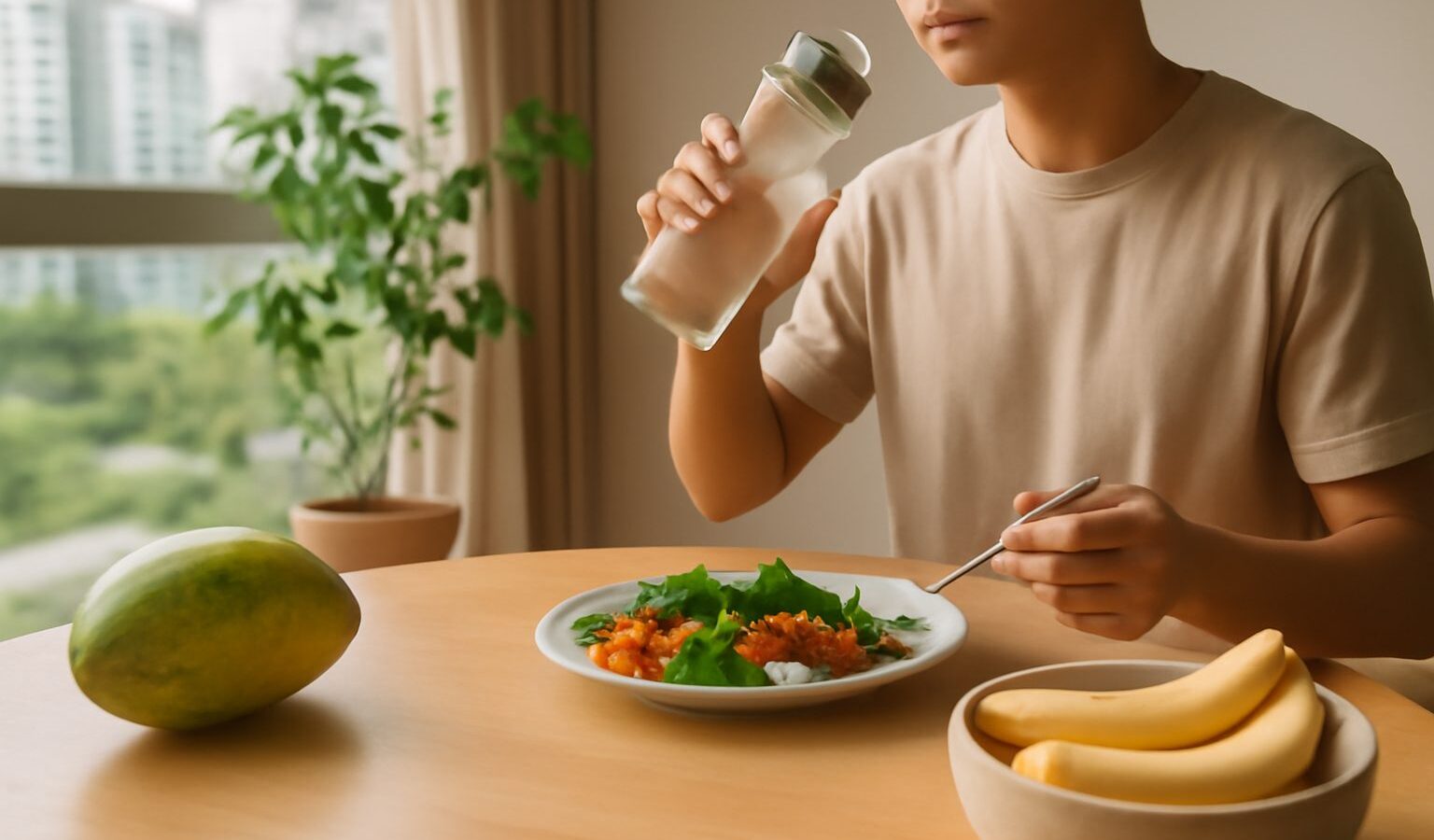
Most of us know roughly what a healthier life looks like: move more, sleep better, eat well, and worry less. The hard part is not knowing, it is doing it consistently amid work, family, and a packed calendar. The good news is that lasting change rarely comes from dramatic overhauls. It comes from small, repeatable habits that fit your real life. Building healthy habits in Singapore is very doable when you use what is already around you, from park connectors to hawker centres. This guide offers calm, general information and practical ideas to help you start small and keep going.
First, a brief note. This article is general information only, not medical advice, diagnosis, or treatment. If you have a health condition, are starting new or vigorous exercise, or have any concerns, please check with a doctor, your polyclinic GP, or the relevant specialist about what is right for you.
Why Small Habits Beat Big Overhauls
When people decide to “get healthy”, they often try to change everything at once: a strict diet, daily gym sessions, early nights, and no screens, all from Monday. It feels motivating for a few days, then real life gets in the way and the whole plan collapses. The problem is not willpower, it is scale.
Habits stick better when they are small enough to do even on a busy day, tied to something you already do, and rewarding enough to repeat. Rather than “exercise for an hour daily”, you might start with a ten-minute walk after dinner. Instead of overhauling every meal, you might add one vegetable to your usual order. These may feel too easy to matter, but that is the point. A habit you actually keep beats an ambitious plan you abandon, and small wins build the confidence to do a little more over time.
Local Hooks That Make It Easier
Singapore is set up to make everyday movement and healthier choices more convenient than many people realise. Using these local resources takes the pressure off relying on motivation alone.
- National Steps Challenge. HPB’s National Steps Challenge turns walking into something trackable and rewarding, which can be a friendly nudge to move more each day. Check HealthHub or the HPB website for the current season and how to join.
- Park connectors and parks. The park connector network links green spaces across the island, making it easy to walk, jog, or cycle near home. A regular route you enjoy is easier to stick with than a gym you dread.
- Hawker and food-court choices. You do not need special “health food”. Many stalls offer wholegrain options, soup-based dishes, more vegetables, and smaller portions. Small swaps, such as less rice, more greens, or a drink with less sugar, add up over a week. Look out for HPB’s Healthier Choice symbols and Healthier Dining options.
- Healthier SG and your GP. Through Healthier SG, enrolling with a family doctor gives you a partner for setting realistic health goals and staying on track over time.
None of this requires a big budget or a lot of spare time. The aim is to make the healthy option the easy, nearby option.
Habits Worth Building, and Where to Start
You do not need to tackle everything at once. Pick one or two areas that matter most to you right now, start small, and add more later. The table below shows simple starting points across the habits that shape daily wellbeing.
| Area | A tiny starting habit | An easy way to grow it |
|---|---|---|
| Movement | A ten-minute walk after one meal | Add a park connector route on weekends |
| Sleep | A fixed wake-up time daily | Wind down screens earlier before bed |
| Food | Add one vegetable to your usual meal | Choose wholegrain and less sugary drinks |
| Screen time | No phone for the first ten minutes awake | Set a nightly “screens off” time |
| Stress | Two minutes of slow breathing | Build in a short daily walk or break |
The pattern is the same across every row: choose something almost too easy, attach it to part of your day, and let it grow naturally once it feels automatic.
A few general pointers worth keeping in mind:
- Sleep is a foundation, not a luxury. A consistent sleep and wake time, a cooler and darker room, and easing off caffeine later in the day all help many people rest better.
- Movement counts even in small doses. Taking the stairs, walking part of your commute, or standing and stretching through a long day all add up alongside any planned exercise.
- Manage screens, especially at night. Long stretches on screens, particularly close to bedtime, can eat into sleep and downtime. Small boundaries help.
- Look after stress. Short breaks, time outdoors, and staying connected with people matter. If stress, low mood, or anxiety are affecting your daily life, please reach out to a GP, and note that support such as IMH and helplines is available. Look up current helpline numbers on HealthHub or the Samaritans of Singapore site rather than relying on an old number.
Tracking, Staying Consistent, and When to Get Advice
Tracking works because it makes progress visible and keeps a habit front of mind. It does not need to be fancy. Ticking a box on a calendar, using a simple app or the steps counter on your phone, or joining something like the National Steps Challenge can all help. The main aim is to notice your streak and gently keep it going, not to chase a perfect score.
Consistency beats intensity, so plan for the days when life gets in the way. Missing once is normal; the trick is to get back to it the next day rather than treating one slip as the end. Pairing a new habit with an existing routine, such as stretching while the kettle boils, and making it enjoyable both help it last. Reviewing how things are going every week or two lets you adjust before you lose momentum.
Finally, healthy habits support wellbeing, but they do not replace medical care. If you have a health condition, are pregnant, are returning to exercise after a long break, or notice symptoms such as chest pain, breathlessness, dizziness, or unexplained changes in your health, please see a doctor. Age-appropriate health screening is also worth keeping up with, so check current recommendations with HPB, HealthHub, or your GP. Building good habits and staying in touch with a doctor go hand in hand.
Explore More
Small, steady habits are easiest to keep when they fit your budget and your space. See our home workout guide for Singapore for easy ways to move without a gym, and our guide to eating healthy on a budget in Singapore for practical food swaps. For advice tailored to your own health, your doctor is always the best guide.