
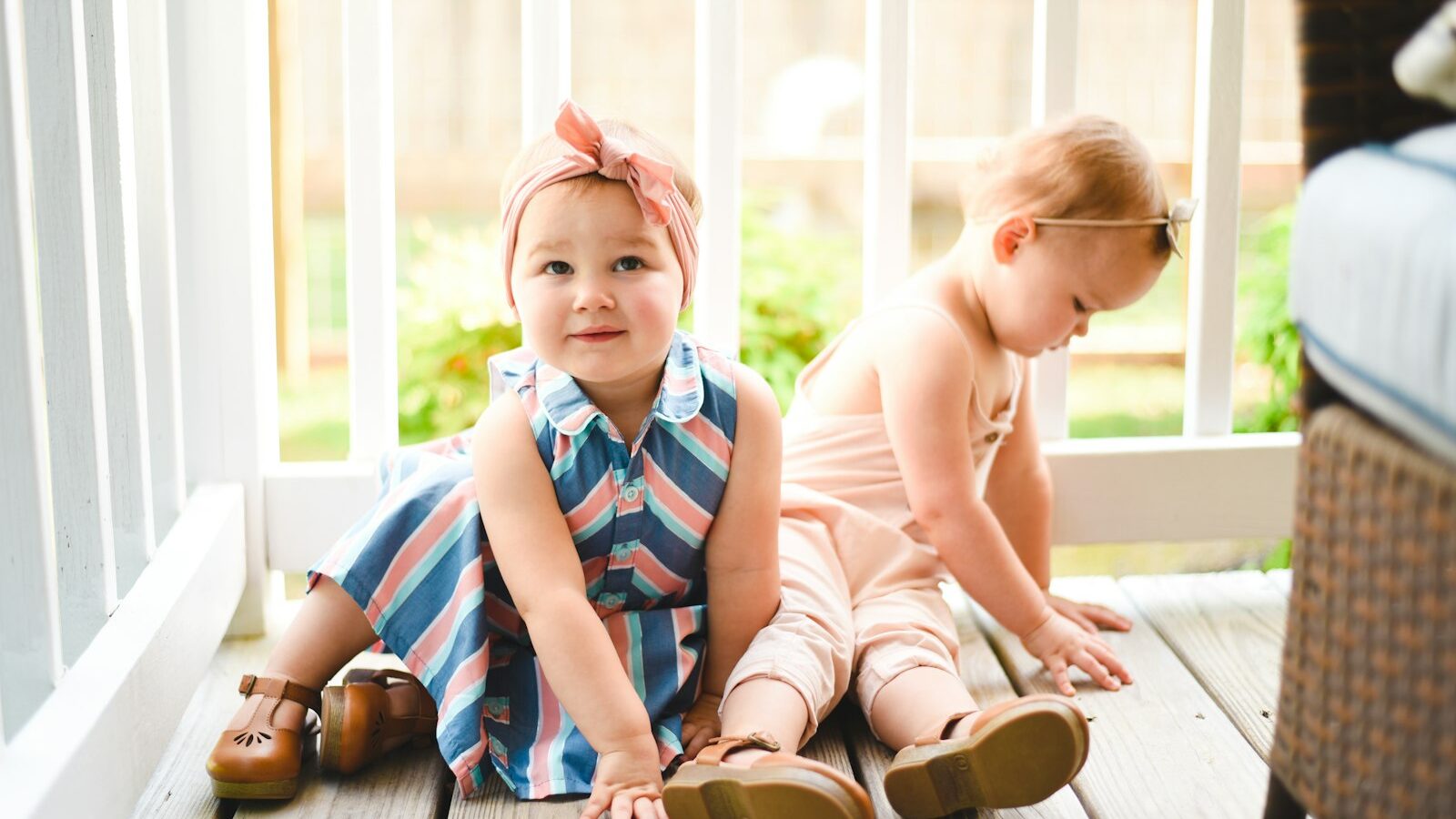
Watching a toddler wrestle with a jumper or push your hand away with a firm “I do it” can test any parent’s patience, especially on a busy weekday morning. Yet those small daily struggles are exactly how a sense of toddler independence Singapore families value begins to grow. Learning to dress themselves is one of the earliest ways young children practise control, coordination and confidence, and with a little patience you can turn a rushed routine into a gentle chance for your child to learn. This is a warm, general guide for everyday family life, not professional advice.
Why Dressing Matters More Than You Think
Dressing looks simple to adults, but for a toddler it is a rich learning task. Pulling on socks builds finger strength. Pushing arms through sleeves teaches sequence and planning. Choosing between two shirts helps a child feel that their opinion counts. When your little one manages a button or finds the right foot for a shoe, they are not only getting dressed, they are learning that effort leads to success.
In our fast paced Singapore mornings, it is tempting to do everything for them because it is quicker. That is completely understandable. But when we always take over, children miss the chance to practise. The goal is not a perfectly dressed toddler by a certain age. The goal is a child who feels capable and willing to try. Progress will be uneven, and that is normal.
Setting Up for Success
A few small changes at home make self dressing far easier and far less stressful for everyone.
- Lay out clothes the night before. Fewer decisions in the morning means fewer meltdowns for both of you.
- Choose toddler friendly clothing. Elastic waistbands, wide neck holes, loose fits and large buttons or zips are much kinder to little hands than fiddly fastenings.
- Lower the storage. Keep some clothes in a low drawer or basket your child can reach so they can join in the choosing.
- Mind the weather. Singapore’s heat means light, breathable cotton is easiest for children to manage and most comfortable to wear.
- Allow extra time. Building ten minutes into the routine removes the rush that turns learning into a battle.
Naming clothes as you go also helps. Talking through “left arm, then right arm” gives your child the words and the order, which supports both language and self help skills at the same time.
Offering Choices Without the Chaos
Toddlers crave a say in their world, and dressing is a safe place to give it. The trick is to offer choices with clear limits so your child feels free while you keep things moving.
Instead of asking “What do you want to wear?”, which can lead to a favourite costume or nothing at all, try “The red shirt or the blue one?” Two options are usually enough. This is the heart of gentle, respectful parenting: your child practises deciding, and you keep the boundary. If they refuse both, you can calmly say, “You choose, or I will choose for you,” and then follow through kindly.
The table below shows how a few gentle shifts in wording can lower resistance.
| Situation | Instead of saying | Try saying |
|---|---|---|
| Getting dressed at all | “Put your clothes on now.” | “Do you want to start with your top or your shorts?” |
| A child who wants control | “Wear this, we are late.” | “The dinosaur shirt or the striped one?” |
| A refusal to cooperate | “Stop being difficult.” | “You choose in five, or I help you.” |
| A tricky fastening | “Let me just do it.” | “You start the zip, I will finish the top.” |
Small choices satisfy a toddler’s need for control while you stay in charge of the essentials, such as clothing that suits the weather.
When Frustration Bubbles Up
Even with the best setup, some mornings fall apart. A shoe goes on the wrong foot, a sleeve gets stuck, and tears follow. Your calm is the most useful tool you have. Kneel to their level, keep your voice low and warm, and name the feeling: “That sleeve is tricky and you feel cross. I am here.”
Offer just enough help to keep them going, not so much that you take over. This is sometimes called scaffolding. You might start the zip and let them pull it up, or hold the shirt open while they push their arms through. Praise the effort rather than the result. “You worked hard to get that sock on” tells your child that trying matters, which keeps them willing to try again tomorrow.
If your child is simply too tired, hungry or overwhelmed, it is fine to step in and finish the job without fuss. Independence is a long journey, not a daily test, and a supportive rescue on a hard morning does no harm.
Building Skills Step by Step
Self dressing develops in stages, and every child moves at their own pace. Many toddlers can pull off easy items like hats and socks before they can put them on. Undressing usually comes before dressing. Loose tops and elastic shorts are mastered before buttons, zips and laces, which need finer control that arrives later.
You can gently support each stage:
- Start with the easiest wins, such as pulling up shorts that are already at the knees.
- Break bigger tasks into small steps and let your child do the final, satisfying part.
- Practise fastenings during play, not only when you are rushing out the door.
- Keep expectations realistic and celebrate small progress warmly.
Backwards shirts, odd socks and inside out shorts are all signs of a child who is trying. Let the small imperfections go where you safely can. A toddler who leaves the house proud of dressing themselves has gained something far more valuable than a tidy outfit.
A Gentle Word for Tired Parents
Encouraging toddler independence takes patience, and some seasons of life simply do not allow for slow mornings. On the days you are exhausted or running late, doing it for them is completely fine. What matters is the overall pattern, the steady message that you believe your child can learn and that you are there to help when they need you. That balance of freedom and support is what helps a confident, capable little person grow.