
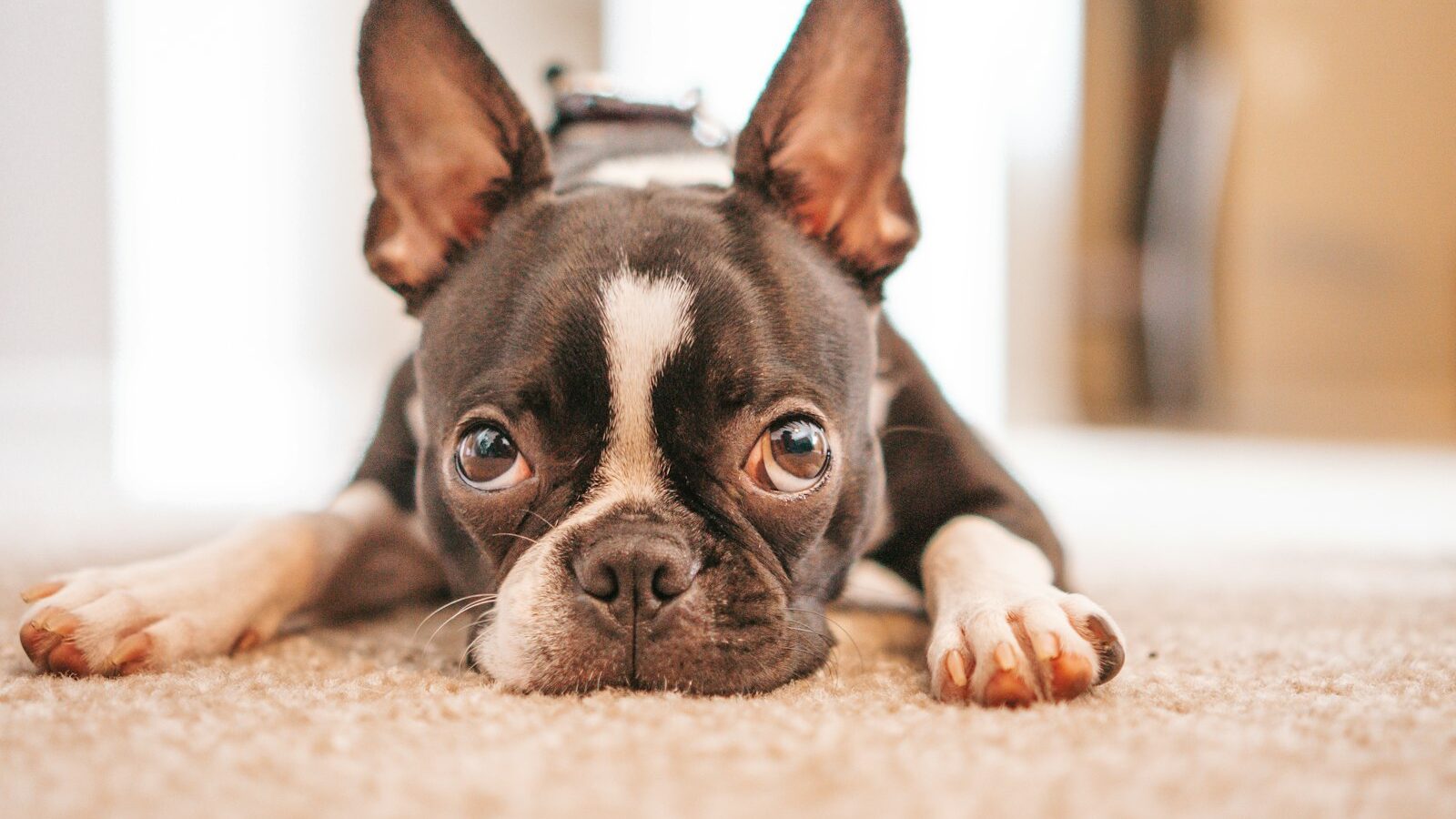
Smart, comical and endlessly affectionate, the Boston terrier is a compact companion dog with a tuxedo coat and a big heart. They are friendly, adaptable and usually great with families, which makes them appealing for apartment life. But if you are considering a boston terrier in Singapore, there is one thing you must plan for above all else. The Boston terrier is a flat-faced, brachycephalic breed, and that short muzzle affects how they breathe and how they cope with our heat and humidity. Everything about caring for one well starts there.
Bostons are people dogs. They love company, tend to bond hard with their family, and often do well with children and other pets when socialised early. They are playful without being hyperactive, and their exercise needs are moderate, which suits a flat. They can be a little stubborn, but they respond well to gentle, positive, reward-based training. What they cannot do is tolerate heat and heavy exertion the way a long-nosed breed can, and respecting that limit is the core of responsible ownership here.

Breathing and heat: the brachycephalic reality
Because of the short muzzle, brachycephalic dogs move air less efficiently, so many Bostons snore, snort and tire faster, and some have a degree of brachycephalic airway syndrome. In Singapore’s constant heat and humidity this is a real welfare issue, because panting is how a dog cools down, and a flat-faced dog pants less effectively. That makes Bostons more vulnerable to overheating and heatstroke than most breeds.
Manage this actively. Walk only in the cooler morning and evening hours, keep sessions short and gentle, always carry water, and stick to shade. Keep the home cool with fans, aircon or cool floors, and never leave a Boston in a parked car even briefly. Learn the emergency signs of heatstroke, including heavy or frantic panting, drooling, a bright or bluish tongue, distress, wobbliness and collapse, and treat any of them as an emergency vet situation immediately, cooling the dog with tepid water on the way. Any sudden worsening of breathing, blue gums or collapse is also an emergency. For more, read flat-faced dog breeds and heat safety in Singapore and keeping pets cool in Singapore’s heat.
Grooming, exercise and daily life
Grooming is easy compared with the fluffy breeds. The short coat needs only a weekly brush and the occasional bath, but the face needs attention. Wipe the facial folds and around the eyes to keep them clean and dry, since Bostons can be prone to eye irritation and injury given their large, prominent eyes. Keep nails trimmed and ears clean, and check the wrinkles do not stay damp.
Exercise should be moderate and split into short, cool sessions rather than one long push. Play, sniffy walks and training games keep a Boston happy without overheating them. Because they are clever and food-motivated, food puzzles and short training bursts are great for burning mental energy. Keep them lean, as extra weight makes breathing and heat tolerance worse.
Quick-care snapshot
| Care area | What a boston terrier needs |
|---|---|
| Breathing | Brachycephalic; avoid exertion and heat stress |
| Heat | Cooler-hour walks only, shade, water, aircon, no parked cars |
| Coat | Weekly brush; wipe facial folds; protect the eyes |
| Exercise | Short, gentle sessions plus brain games; keep lean |
| Emergencies | Breathing distress, blue gums, collapse, heatstroke: vet now |
| Diet | Measured meals; avoid toxic human foods |
Health, licensing and choosing responsibly
Beyond airway concerns, Bostons can be prone to eye conditions, luxating kneecaps and some may need care around birth and anaesthesia because of their shape. This is general information, not a diagnosis, so choose a vet who is comfortable with brachycephalic breeds and keep up regular check-ups. Watch for red-flag signs such as trouble breathing, collapse, refusing food or water, repeated vomiting, seizures or a bloated hard abdomen, and go to an emergency vet at once. Keep toxic foods away, including chocolate, grapes and raisins, onion and garlic, xylitol and caffeine, and see foods that are toxic to pets in Singapore.
In Singapore all dogs must be licensed, and HDB flats set rules on approved breeds and numbers. A small Boston terrier suits many homes, but check the current HDB-approved list and the requirements from the Animal and Veterinary Service (AVS, under NParks) before you commit, and read licensing your dog in Singapore. Confirm the rules for your own flat rather than assuming.
Please choose carefully. A responsible breeder should be selecting for more open nostrils and healthier airways, not the most extreme flat face, so ask about the parents’ breathing and health, meet the actual dog and avoid impulse buying. Bostons and similar breeds also appear in rescues, so consider adopting before shopping. Set up a regular vet early and keep vaccinations and parasite prevention current.
A Boston terrier can be a delightful, loving companion in Singapore, as long as you take the brachycephalic and heat realities seriously every single day. Keep them cool, lean and gently exercised, know your emergency signs, and this little tuxedo dog will be a devoted friend for years.
Frequently Asked Questions
Is snoring and snorting normal for a Boston terrier? Some noisy breathing is common in flat-faced breeds, but it should not be dismissed. Increased effort, blue gums, collapse or breathing that worsens in the heat needs a vet urgently. A vet used to flat-faced breeds can tell whether your dog’s airway needs attention.
Can a Boston terrier be walked in the afternoon? It is best avoided. Flat-faced dogs cool down poorly by panting, and afternoon heat and humidity are risky. Stick to the cooler early morning or evening, keep sessions short, carry water and head home at the first sign of heavy panting.
How do I cool down a Boston terrier that is overheating? Move the dog to a cool, shaded or air-conditioned place straight away and cool it with tepid, not ice-cold, water. Then get to an emergency vet, as heatstroke can worsen after the dog seems to recover. Do not delay for signs like frantic panting or collapse.
Are Boston terriers good for first-time owners? They can be friendly, adaptable and easy to groom, which suits beginners, but their breathing and heat sensitivity demand constant attention. A first-time owner who is committed to cool-hour routines and regular vet visits can manage well.
How do I clean a Boston terrier’s face and eyes? Wipe the facial folds and around the eyes gently with a soft, damp cloth and dry them well, as moisture can cause irritation. Their prominent eyes are prone to injury, so avoid rough play. Redness, discharge or squinting should be seen by a vet promptly.
Further reading: Caring for a Staffordshire Bull Terrier Singapore