
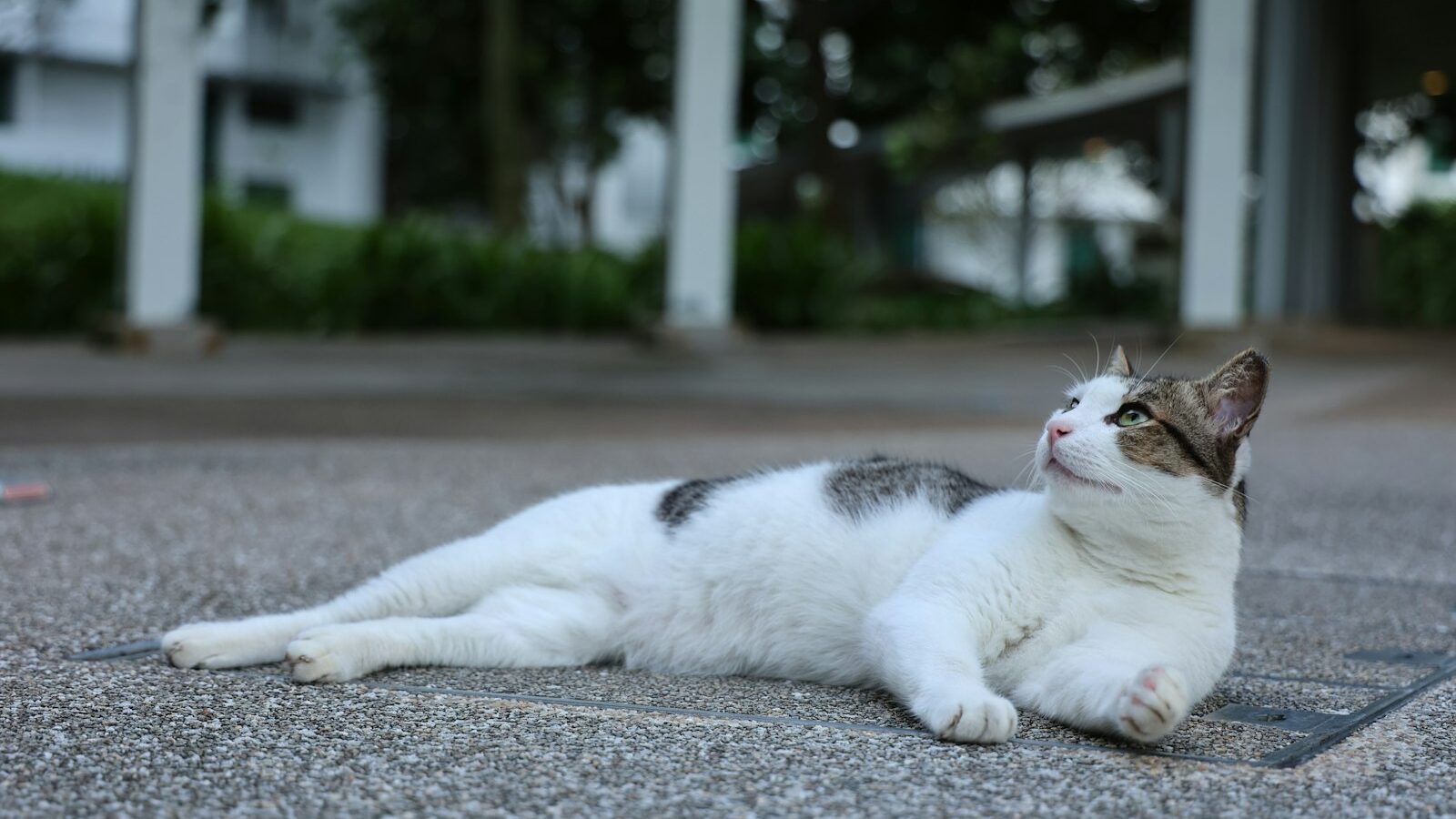
With their round faces, plush coats, and famously easy-going nature, British Shorthairs have become a much-loved apartment cat. If you are considering a British Shorthair in Singapore, or already have one dozing on your sofa, this guide covers what daily care looks like, from that dense coat and their tendency to gain weight, to health, heat comfort, and why adoption is always worth considering. Every cat is an individual, so read this as a general picture rather than a rule for your own companion.

Temperament and daily life
British Shorthairs are known for being calm, undemanding, and steady. They tend to be affectionate without being clingy, often preferring to sit companionably nearby rather than be carried around, and many are not big lap cats. This relaxed temperament suits HDB and condo living well, and it makes them a gentle choice for households that want a placid, low-drama cat.
That calmness has a flip side, though. British Shorthairs can be quite sedentary, so daily play is important to keep them active and engaged. Wand toys, puzzle feeders, and short bursts of chase help prevent boredom and keep weight in check. For ideas, our guide to indoor cat enrichment and play in Singapore is a good place to start.
Grooming the plush coat
The breed’s dense, crisp double coat is a highlight, but it does shed and can trap loose hair. Brushing a couple of times a week, and more during heavier shedding periods, keeps the coat healthy, reduces hairballs, and gives you a chance to check the skin. They are generally low-maintenance groomers compared with long-haired breeds, but never leave that thick coat matted. Round out the routine with regular nail trims, ear checks, and dental care to keep those teeth healthy.
Keeping a British Shorthair comfortable in the heat
That lovely thick coat is built for a cooler climate, so British Shorthairs can feel the heat in Singapore. Keep your home well ventilated, provide cool spots such as a tiled floor or a shaded corner, and make sure fresh water is always available. Some owners run a fan or air-conditioning during the hottest part of the day. Watch for excessive panting or lethargy, which are not normal for a resting cat and warrant attention. Our guide on keeping pets cool in Singapore’s heat has more tips that apply well to thick-coated cats.
Weight and health to watch
British Shorthairs love their food and are prone to becoming overweight, especially given their laid-back activity levels. Obesity is one of the most preventable health problems in cats, so measure meals, choose quality food, avoid constant free-feeding, and keep up the daily play. Our guide to managing your cat’s weight in Singapore walks through healthy portions and body condition.
The breed also has some known predispositions worth being aware of, which can include a heart condition called hypertrophic cardiomyopathy and, in some lines, kidney concerns. Responsible breeding and health screening matter here. None of this can be diagnosed at home, and none of it is certain for your cat.
Everything above is general information, not veterinary advice. See a licensed vet for any diagnosis, treatment, or medication, and never give a cat human medicines, as many are toxic. For urgent signs such as difficulty breathing, collapse, repeated vomiting, or a male cat straining and unable to pass urine, go to an emergency or 24-hour vet straight away. Routine vaccinations, parasite prevention, sterilisation, and annual check-ups keep small problems from becoming big ones.
Sourcing and adoption
If you have decided the breed is right for you, choose a responsible, health-focused source and always check current AVS rules for keeping cats. Please also give serious thought to adoption. Purebred and mixed cats of all kinds, sometimes including British Shorthairs and their crosses, come through local shelters and rescues. Our guide on adopting vs buying a pet in Singapore can help you decide.
A caring wrap-up
A British Shorthair can be a wonderfully calm, affectionate companion for apartment life, as long as you stay on top of the coat, keep the weight down with daily play, and help them stay cool in our climate. Be honest about the long-term cost, time, and commitment, because a cat can live for many years. Get the fundamentals right and keep up with your vet, and you will have a serene, dependable friend for a long time to come.
Frequently Asked Questions
Is a British Shorthair a good cat for first-time owners? Generally, yes. Their calm, undemanding nature and modest grooming needs make them forgiving for beginners. The main jobs are daily play, watching their weight and keeping them comfortable in the heat. Choose a responsible source or consider adoption.
Do British Shorthairs enjoy being picked up and cuddled? Many do not. They tend to prefer sitting close by rather than being carried, and plenty are not lap cats. Let your cat come to you, reward calm contact and respect signs it has had enough. Individual cats vary a lot.
How do I get a lazy British Shorthair to exercise? Short, frequent play sessions work better than long ones. Use wand toys, puzzle feeders and a little chase, and rotate toys to keep things fresh. Time play before meals and keep it fun, since consistency matters more than intensity.
How can I tell if my British Shorthair is overweight? You should be able to feel the ribs under a light covering of fat and see a waist from above. If you cannot, your cat may be carrying extra weight. Ask your vet to assess body condition and suggest portions, rather than cutting food sharply on your own.
Can a British Shorthair live happily in a small flat? Yes, they suit apartment life well because they are placid and not especially active. Provide a scratching post, a window perch, hiding spots and daily play. Keep the home cool and ventilated, since their thick coat feels the heat.
Official sources: Animal & Veterinary Service
Further reading: Caring for a British Longhair Cat in Singapore · Caring for an Oriental Shorthair Cat in Singapore · Caring for an Exotic Shorthair Cat in Singapore · Caring for a Bombay Cat in Singapore · Caring for a Ragdoll Cat in Singapore · Caring for a Persian Cat in Singapore