
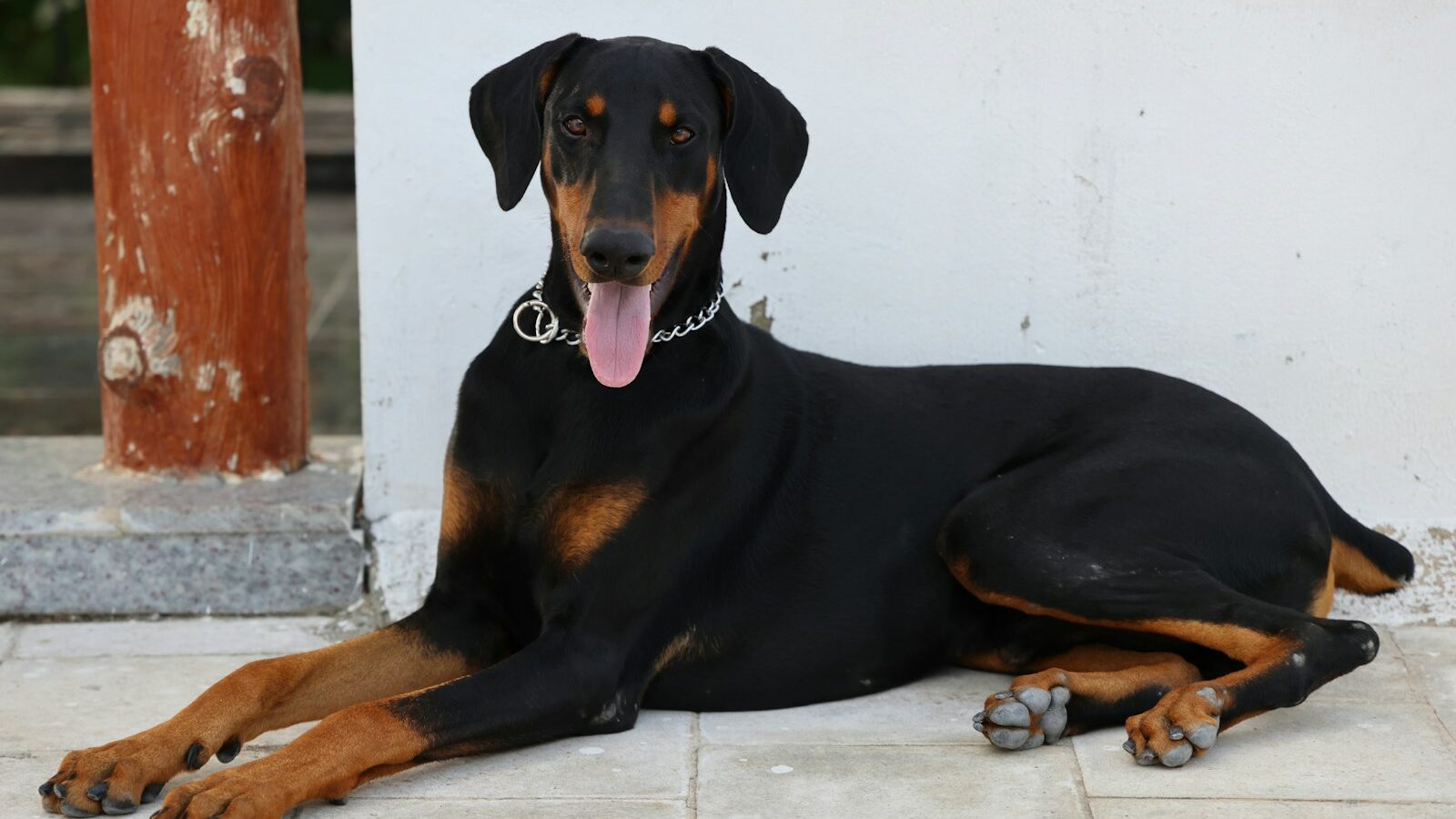
Sleek, athletic and famously devoted, the Doberman Pinscher is one of the most recognisable working breeds in the world. Raising a doberman singapore owners can be proud of means understanding both the joy and the responsibility, because this is a large, intelligent guard breed with specific housing rules and real health needs in our climate. This guide covers where you can keep one, how to train and exercise it, how to manage the heat, and the health signs that matter most.

Housing And Legal Rules First
Like other large guard breeds, the Doberman is generally not on the HDB approved list, so it is not suited to most flats. Realistically this dog belongs in a landed home, or a condominium where the management explicitly allows the breed. Always confirm the current approved list and your own property’s by-laws before committing, since estate rules differ and can change.
Every dog here must be licensed, and the Doberman may also be treated as a “Scheduled dog”, which can carry conditions such as muzzling in public and holding third-party insurance. The proper authority for the approved list, licensing and the Scheduled dog conditions is the Animal and Veterinary Service (AVS) under NParks, so follow their current requirements rather than any secondhand figure, and never keep the dog somewhere it is not permitted. For the groundwork, see licensing your dog in Singapore and keeping pets in HDB flats Singapore.
Temperament, Training And Exercise
Dobermans are highly intelligent, sensitive and eager to please, which makes them very trainable in the right hands. They bond closely with their people and can be excellent, alert companions. That same sharpness means they need early socialisation, clear structure and plenty of mental stimulation, or boredom and anxiety can turn into problem behaviour. Use reward-based training, keep sessions engaging, and start young.
This is an energetic breed built for movement, so daily exercise is not negotiable. Plan for brisk walks, play and training games, always in the cooler parts of the day given our climate. A tired, well-directed Doberman is a calm one at home. If you want structure, our guide on dog training and obedience Singapore is useful.
Heat And Daily Care At A Glance
The Doberman has a short, single coat and lean body, which helps a little in the heat, but it is an active dog that can still overheat during hard exercise in our humidity. Walk in the early morning and evening, provide constant water and shade, and let the dog rest on cool floors or in aircon. Watch for heavy panting, drooling, unsteadiness or collapse, which point to heatstroke, and never leave the dog in a parked car. Here is a quick daily reference.
| Care area | What a Doberman needs in Singapore |
|---|---|
| Housing | Landed or approved condo; generally not HDB approved |
| Legal status | Licensed; may be a Scheduled dog (muzzle and insurance) |
| Exercise | High; daily walks, play and mental work in cooler hours |
| Coat and grooming | Short single coat; low grooming, minimal shedding |
| Heat risk | Moderate; hydrate, shade and avoid midday exertion |
| Health to watch | Heart conditions; joints; report warning signs early |
| Best owner | Active, experienced, present and consistent |
Health: General Information, See A Vet
This is general guidance, not veterinary advice, so build a relationship with a licensed vet and keep up regular check-ups. Dobermans are known to be prone to certain heart conditions, so any sign of weakness, fainting, exercise intolerance, a persistent cough or laboured breathing deserves prompt veterinary attention. The breed can also face joint issues and some blood-clotting disorders. Keeping the dog at a healthy weight and feeding well supports long-term health; our notes on feeding your dog in Singapore can help.
Know the emergencies that mean an emergency vet now: trouble breathing, collapse or fainting, a bloated hard abdomen, seizures, signs of heatstroke, or refusing to eat or drink. Keep toxic foods away entirely, including chocolate, grapes and raisins, onion and garlic, xylitol and caffeine. When something feels wrong, call the vet rather than wait and see.
A Practical Wrap-Up
A Doberman is a rewarding dog for an owner who can offer the space, the legal setting, the daily activity and the steady leadership it needs. Confirm you can house one legally under the current rules, plan around the heat, invest in early training and socialisation, feed and exercise thoughtfully, and stay alert to the breed’s heart health. If you are still weighing it up, remember every dog is an individual and adoption is always worth considering before buying. Get the basics right and this loyal, elegant breed will be a devoted part of the family.
Frequently Asked Questions
Is a Doberman easier to train than other large breeds? Dobermans are intelligent and eager to please, so many learn quickly with the right approach. That sensitivity means harsh methods backfire. Reward-based training, short engaging sessions and early socialisation tend to work best. Their sharp minds also get bored easily, so keep things varied.
Will a Doberman be happy left alone while I work? Often not for long stretches. Dobermans bond closely with their people and can become anxious or destructive when bored. Build up alone time gradually, give exercise beforehand and leave enrichment toys. If your hours are long, arrange a walker or daycare.
How much grooming does a Doberman need? Very little, thanks to the short coat. A regular rub-down is usually enough, with baths only when necessary. Nails, teeth and ears still need routine care, so ask your vet or a groomer for a simple schedule.
Which heart problems should I watch for in a Doberman? Heart disease is a known concern in the breed, so watch for fainting, weakness, a persistent cough, laboured breathing or tiring easily. Raise any of these with a vet promptly. Regular check-ups and a vet’s advice on screening can catch problems earlier.
What is the difference between a Doberman and a Rottweiler as a pet here? Both are large guard breeds with similar housing and licensing rules, so neither suits most flats. A Doberman is leaner, with a short single coat and a high need for exercise, while a Rottweiler is heavier and more territorial. Choose based on your lifestyle, not looks.
Further reading: Caring for a Weimaraner in Singapore · Caring for a Boxer Dog in Singapore · Caring for a Rottweiler in Singapore