
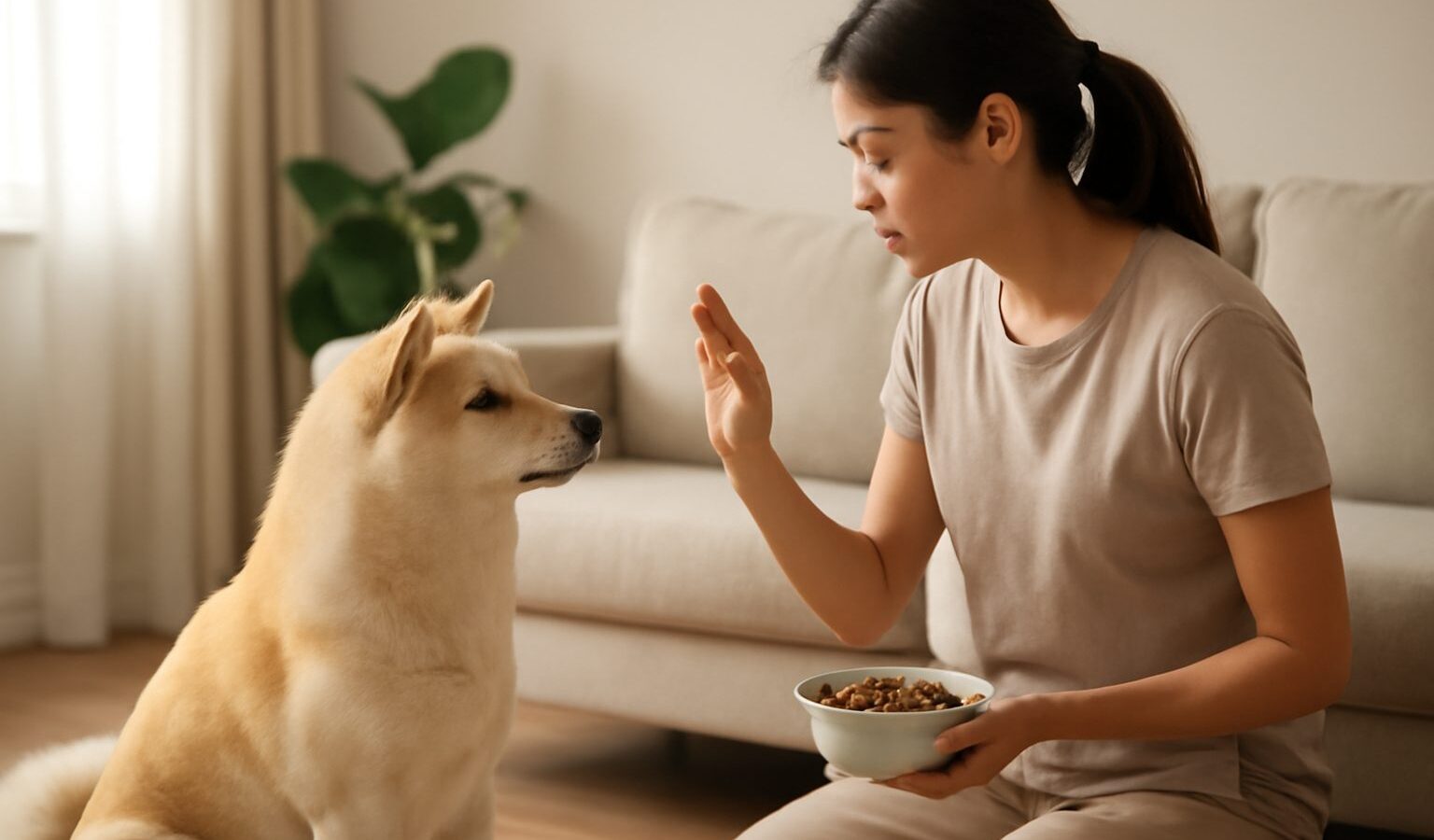
Training is not about turning your dog into a soldier who obeys every command. It is about communication, safety and a calmer life together, especially in a dense, shared-living country like ours. A dog who comes when called, walks nicely on a leash and settles quietly at home is safer, happier and far easier to live with in an HDB flat. The good news is that effective dog training in Singapore does not require harsh methods. Modern, kind, reward-based training works better and builds trust rather than fear. This guide covers the basics, the choices you have, and how to find help you can rely on.
Why Positive Reinforcement Works
Positive reinforcement means rewarding the behaviour you want, so your dog chooses to repeat it. When your dog sits and gets a treat, praise or a game, sitting becomes worth doing again. This approach is now widely favoured by trainers and welfare bodies because it is effective and it protects the bond between you. Harsh corrections, shouting or punishment tend to create fear and anxiety, which can make behaviour worse and erode trust.
A few principles make training stick:
- Reward the instant it happens so your dog connects the reward with the right action.
- Keep sessions short, a few minutes at a time, several times a day.
- Be consistent with your words and rules across the whole household.
- Set your dog up to succeed by training in a quiet place first, then adding distractions slowly.
- End on a win, while your dog is still keen and enjoying it.
Patience and consistency are the real secrets. Dogs learn through repetition, and progress is rarely a straight line, so celebrate small steps and avoid comparing your dog to anyone else’s.
The Core Skills Every Dog Needs
A handful of foundation skills cover most of daily life. You do not need all of them at once, but each one makes living together smoother and safer.
- Recall (coming when called) is the most important safety skill. Practise in a safe, enclosed space first, make coming to you rewarding every time, and never call your dog to you for something unpleasant.
- Sit and settle give you a simple way to ask for calm at the door, at the lift or when guests arrive.
- Leash manners make walks pleasant. Reward your dog for walking near you and for a loose leash, and stop moving when they pull so pulling never gets them anywhere.
- Crate training, introduced gently and never as punishment, gives your dog a safe den and helps with toilet training and calm rest.
- Toilet training rewards routine. Take your dog out or to the right spot after waking, eating and playing, and praise calmly the moment they get it right.
Clean up accidents without scolding, since punishment after the fact only creates confusion and fear. Redirect unwanted behaviour to something better rather than focusing on the “no”.
Puppies, Adult Dogs and Rescues
When you start matters less than how you approach it. Puppies are sponges during their early months, soaking up experiences and habits quickly, so early, gentle training and socialisation pay off for life. Keep everything positive and short, and let your vet advise when it is safe for your puppy to meet other dogs and visit public places.
Adult and rescue dogs are just as capable of learning, despite the old myth about old dogs and new tricks. A rescue may arrive with an unknown history, some fear or a few rough habits, so patience is key. Give a new dog time to decompress and feel safe before expecting much, build a predictable routine, and reward every small sign of confidence. Many rescues blossom with steady, kind handling. If a dog shows fear or aggression that worries you, seek a qualified trainer or behaviourist rather than pushing through it alone.
Managing Barking and Socialising for HDB Living
Barking is one of the most common concerns for flat dwellers, because noise travels and neighbours live close by. Dogs bark for reasons, including boredom, loneliness, fear, excitement or alerting to sounds in the corridor. The fix starts with the cause. A dog who is well exercised and mentally stimulated barks less, so daily walks and enrichment do a lot of the work. Avoid rewarding barking with attention, teach a calm alternative, and manage triggers, for example by reducing what your dog can see or hear from the door. Shouting rarely helps, since to a dog it can sound like you are joining in.
Socialisation is the other pillar of a well-adjusted city dog. Positive, unhurried exposure to different people, gentle dogs, sounds, surfaces and everyday sights builds a confident dog who copes with busy void decks, lifts and park connectors. Always go at your dog’s pace and pair new experiences with good things. A confident dog is a quieter, calmer neighbour. Remember that licensing and pet rules for flats are set by AVS under NParks and HDB, and these can change, so check the current requirements with them.
Group Classes, Private Trainers or DIY
There is no single right way to train, and many owners use a mix. The best choice depends on your dog, your budget and the problem you are solving.
| Approach | How it works | Best for |
|---|---|---|
| DIY at home | You train using reputable guides and reward-based methods | Basic commands, motivated owners, everyday manners |
| Group classes | A trainer leads several dogs and owners together | Socialisation, foundation skills, learning to focus around distractions |
| Private trainer | One-to-one sessions tailored to your dog | Specific issues, nervous dogs, busy schedules, faster progress |
| Behaviourist | Specialist help for serious fear or aggression | Complex behaviour that needs professional assessment |
Many people start with DIY and group classes for the basics, then bring in a private trainer or behaviourist if a particular issue needs focused attention. Whatever you choose, consistency at home is what makes any method work.
Choosing a Reputable Trainer
Anyone can call themselves a dog trainer, so choose carefully. Look for someone who uses positive, reward-based, force-free methods and can explain their approach clearly. Ask about their experience, whether you can watch or join sessions, and how they handle mistakes and setbacks. A good trainer teaches you as much as your dog, so you can keep the training going at home. Be cautious of anyone who relies on fear, pain, harsh corrections or tools designed to hurt, or who promises instant results, since lasting change takes time. Personal recommendations and a trial session can tell you a lot about whether a trainer suits you and your dog.
The Long Game of a Well-Trained Dog
Training is never really finished. It is a lifelong conversation that keeps your dog engaged and your relationship strong. Keep sessions short and fun, weave practice into daily life, and stay patient on the days when nothing seems to click. The reward is a dog who is safe off the leash, calm in the lift and welcome wherever dogs are allowed, which makes life better for your dog, for you and for everyone around you. Kindness and consistency will take you further than any shortcut ever could.
Explore More
Confidence around people and other dogs is the foundation of good behaviour, so read our guide to socialising your dog in Singapore. And if a stubborn habit has you stuck, our guide to pet behaviour and training help in Singapore explains when and how to get professional support.