
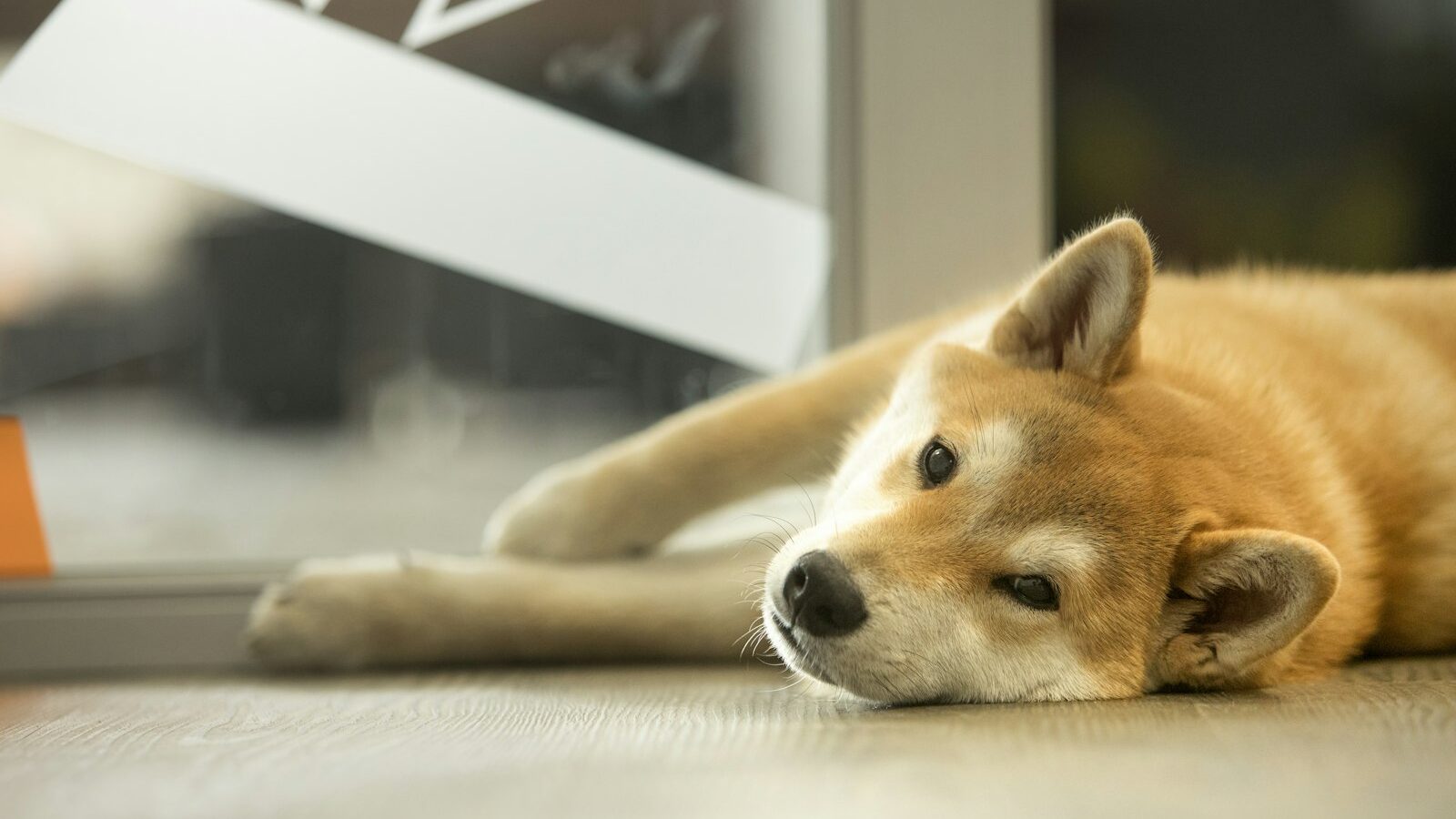
The Shiba Inu is one of the most recognisable dogs around, thanks to its fox-like face, curled tail and famously confident attitude. If you are thinking about a shiba inu singapore families can live with happily, it helps to go in with clear eyes. This is a smart, independent, sometimes stubborn breed that rewards patient owners and can frustrate people expecting an eager-to-please companion. Below is an honest picture of the temperament, grooming, exercise and health you should plan for, plus how the breed fits our heat and flat living.
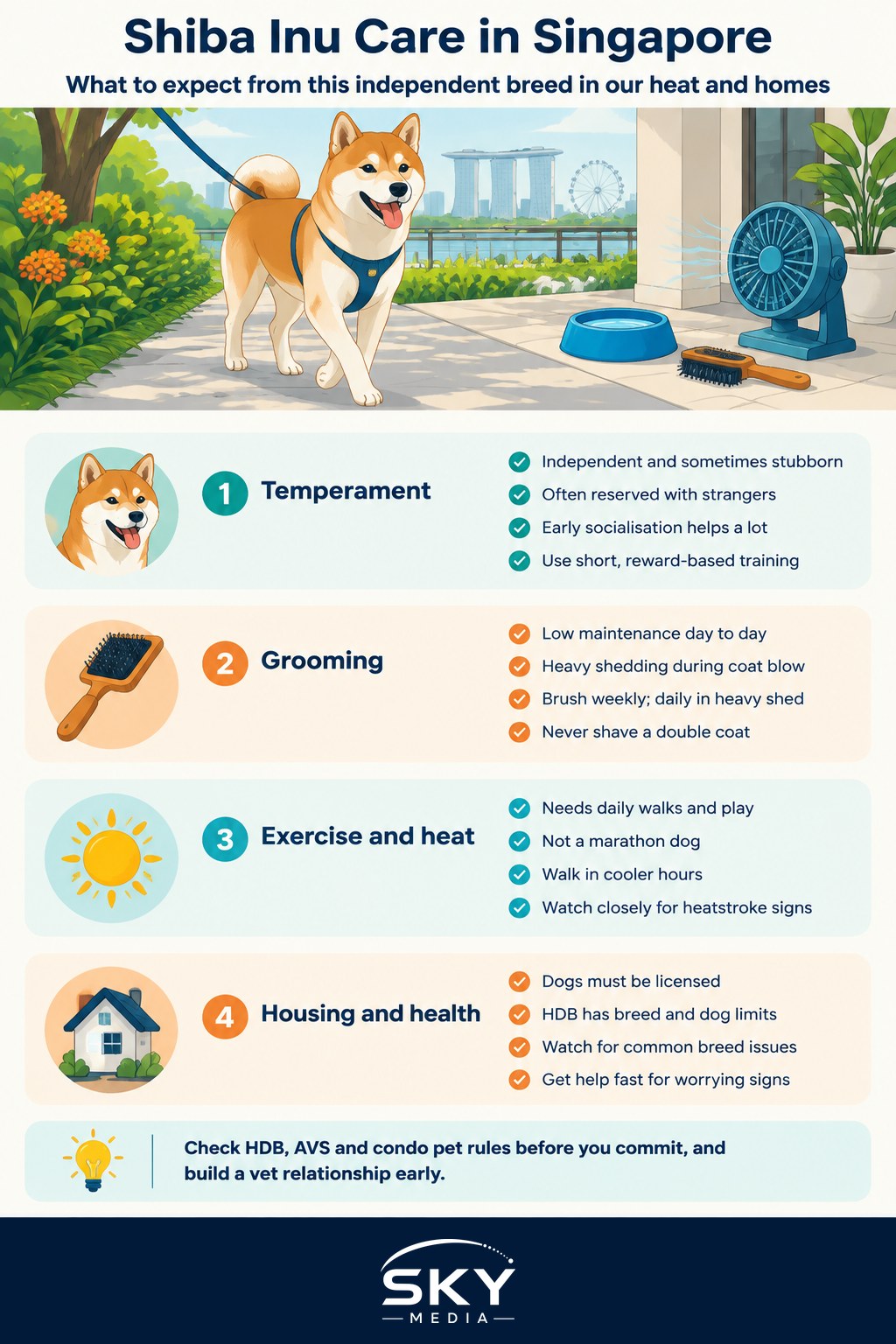
Temperament and training
Shibas are alert, clean and often described as cat-like. Many are reserved with strangers, bond strongly with their household, and like to do things on their own terms. That independence is charming until you need recall in a hurry, so a secure leash and a well-fenced area matter more than with an easygoing breed. Early, positive socialisation with people, other dogs and everyday sights and sounds pays off for life.
Training works best when it is short, reward-based and consistent. Harsh corrections tend to backfire with a sensitive, willful dog. Many shibas can be possessive over food or toys and some do not enjoy rough handling, so supervise interactions with young children and teach the whole family to read canine body language. If you feel out of your depth, a qualified local trainer is worth the money.
- Start socialisation early and keep it positive.
- Keep training sessions short and motivating.
- Never rely on off-leash recall in unfenced public areas.
- Manage resource guarding calmly and get help early if it appears.
For broader groundwork on raising a well-adjusted dog, see socialising your dog in Singapore.
Grooming and the famous shed
The shiba has a double coat: a harsh outer layer and a soft undercoat. Day to day the coat is low maintenance and stays fairly clean and odour-free. The catch is the seasonal “blow”, when the undercoat comes out in large amounts. Even in our stable climate many shibas shed heavily a couple of times a year, so expect fur on the floor and plan regular brushing to keep it under control.
- Brush weekly, and daily during a heavy shed, with an undercoat rake or slicker.
- Bathe only when needed with a dog-appropriate shampoo.
- Never shave a double coat to “cool it down”; the coat helps regulate temperature and protects the skin.
- Keep nails trimmed and check ears and teeth regularly.
If you would rather split the work, read grooming your pet at home in Singapore and consider a professional now and then.
Exercise, heat and flat living
Shibas are athletic and need daily walks plus play, but they are not marathon dogs. A couple of good walks and some mental enrichment usually satisfy them. The bigger challenge here is heat. Singapore’s humidity is hard on any dog, and a double-coated breed can overheat faster than you expect.
| Care area | What a Shiba typically needs |
|---|---|
| Energy level | Moderate; daily walks plus play and enrichment |
| Grooming | Weekly brushing, heavy during seasonal shed |
| Coat | Double coat; do not shave |
| Heat tolerance | Watch closely; walk in cooler hours |
| Sociability | Bonds to family, often aloof with strangers |
| Best suited to | Patient owners who like an independent dog |
Walk in the early morning or after sunset, carry water, and rest in shade. Keep your home cool with fans, aircon or cool flooring, and never leave any dog in a parked car. Learn the signs of heatstroke such as heavy panting, drooling, wobbliness or collapse, and treat them as an emergency. More on this in keeping pets cool in Singapore’s heat.
On housing, dogs in Singapore must be licensed, and HDB limits which breeds and how many dogs are allowed in a flat. Check the current HDB-approved list and the Animal and Veterinary Service (AVS) rules before committing, since these can change. If you live in a condo, confirm your management’s pet policy too.
Health and responsible ownership
Shibas are generally hardy, but like all breeds they have issues worth watching, including allergies and skin problems, luxating patella, eye conditions and hip concerns. This is general information, not veterinary advice. Build a relationship with a vet early, keep up with routine check-ups, and get prompt help for red flags such as trouble breathing, collapse, seizures, a bloated hard abdomen, or refusing to eat or drink.
Keep toxic foods well away, including chocolate, grapes and raisins, onion and garlic, xylitol and caffeine. Introduce any diet change slowly and ask your vet what suits your dog.
Finally, choose your dog responsibly. Avoid impulse buying, meet the parents and see the conditions if buying, and seriously consider adoption. The shiba inu singapore homes suit best are those ready for a spirited, independent companion for the long haul. If you are still deciding, choosing a dog breed for Singapore is a good next read.
Frequently Asked Questions
Are Shiba Inus allowed in HDB flats? Check the current HDB-approved breed list and AVS rules before committing, since they can change. Condo residents should also confirm their management’s pet policy, and every dog here must be licensed.
Why does my Shiba scream or throw tantrums? Shibas are expressive and strong-willed, so they can vocalise loudly when upset or handled in ways they dislike. Stay calm, keep handling gentle, and ask a qualified trainer or vet if it seems linked to fear or pain.
How often does a Shiba blow its coat? Heavy shedding typically happens a couple of times a year, and daily brushing helps during those weeks. Use an undercoat rake, and never shave the coat, as it protects the skin and helps regulate temperature.
Do Shibas get along with other dogs and cats? Many are reserved or bossy with other animals, so careful early socialisation matters. Some are also possessive over food and toys, so introduce new pets slowly and supervise interactions at first.
Is a Shiba a good first dog for a first-time owner? It can be hard for a first-time owner because the breed is independent and sometimes stubborn. A patient person willing to invest in positive training and a qualified trainer can still do well.
Further reading: Caring for a Basenji in Singapore · Caring for a Keeshond in Singapore