
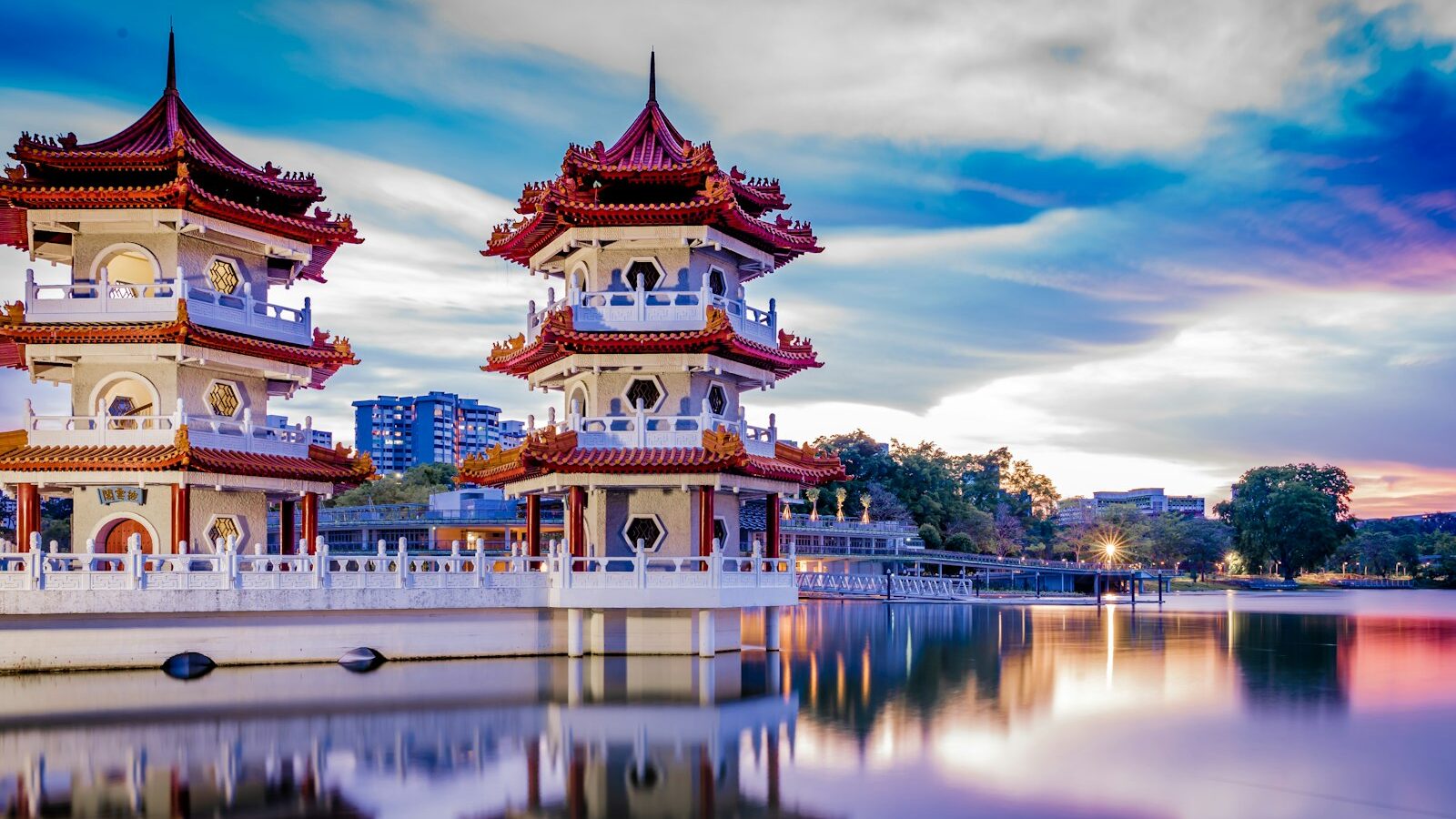
The Singapore Chinese Cultural Centre (SCCC) is the place to go if you want to understand what makes Chinese Singaporean culture its own thing, distinct from the cultures of China, Taiwan or Hong Kong. Set in the city near Tanjong Pagar, it brings together an exhibition about local Chinese identity, a theatre and studio for performances, and a steady calendar of talks, workshops and festival events.
This guide focuses on what you can actually see and do at the Singapore Chinese Cultural Centre, and how to plan a visit. Programmes rotate, so check the SCCC website for current exhibitions, show listings, ticketing and opening hours before you go.

What the SCCC Is About
SCCC was set up to promote and develop Chinese Singaporean culture, which has grown over generations from the mix of Hokkien, Teochew, Cantonese, Hakka, Hainanese and other communities, and from daily life alongside Malay, Indian, Eurasian and other Singaporeans. You will hear Singlish, see dialect phrases, and spot foods and customs that differ from what visitors from mainland China might expect.
For newcomers from China, it is a gentle and fascinating introduction. Much will feel familiar, such as festivals, calligraphy and Chinese opera, but the centre explains how things changed in Singapore, from local slang to the way festivals are celebrated in multi-racial neighbourhoods. For Singaporeans, it is a chance to see everyday habits through fresh eyes.
The Permanent Exhibition: Singapo人
The centre’s permanent exhibition, Singapo人, is the main reason many people visit. The name itself plays on the English word “Singaporean” and the Chinese character 人, meaning person. It uses interactive displays, games, sound and short videos to explore what being Chinese Singaporean means.
You can expect themes such as:
- Language and identity, including how Mandarin, dialects, English and Singlish mix in daily speech.
- Food and home life, from hawker habits to family meals and festive dishes.
- Customs and beliefs, explained as practices that vary from family to family.
- Intercultural ties, showing how Chinese Singaporean culture has been shaped by living alongside other communities.
It is designed to be hands-on, which makes it popular with families and school groups. Allow about an hour if you want to try the interactive parts. Admission to the permanent exhibition has generally been free, but check the website in case of changes or special ticketed exhibitions.
Performances, Talks and Festival Programmes
Beyond the exhibition, SCCC runs a broad programme that changes through the year. Typical offerings include:
- Theatre and music in its auditorium and smaller recital studio, from Chinese orchestral and traditional music to contemporary theatre and crossover works by local artists.
- Talks and forums on heritage, language, literature and identity, often in Mandarin with some English sessions.
- Workshops such as calligraphy, ink painting, paper cutting, tea appreciation or traditional crafts. Some are pitched at families, others at adults.
- Festival celebrations around Chinese New Year, the Mid-Autumn Festival and other occasions, sometimes with outdoor activities, performances and lantern displays.
- Literary and arts events, which can tie in with wider happenings in the city, such as the Singapore Writers Festival period in November.
Tickets for performances and paid workshops are usually sold online, and popular shows can sell out. Free events may still require registration.
Planning Your Visit
| If you are… | Best way to experience SCCC | Tips |
|---|---|---|
| A family with young children | Interactive Singapo人 exhibition and family workshops | Go on a weekday or early weekend slot to avoid school-group crowds |
| A newcomer from China | Exhibition plus a Mandarin talk or festival event | Look for programmes that explain local customs and dialect culture |
| A culture or theatre lover | Evening performance in the auditorium or recital studio | Book early and check the language of the show and surtitles |
| A first-time tourist | Exhibition combined with a Tanjong Pagar or Chinatown walk | Pair it with nearby heritage streets and local food |
| A student or teacher | Talks, forums and group visit programmes | Contact SCCC in advance for group bookings |
Getting There
SCCC is at the edge of the CBD near Tanjong Pagar, beside the Singapore Conference Hall. The nearest MRT stations include Tanjong Pagar on the East-West Line and nearby stations on the Thomson-East Coast and Downtown lines, all within a short walk. Buses along Shenton Way and nearby roads also stop close by.
Practical Pointers
- Check the opening hours online. Hours can differ for the exhibition, the building and evening shows.
- Look at the event calendar first. Visiting on a day with a free performance or workshop makes the trip richer.
- Mind dress and comfort. It is an indoor, air-conditioned venue. Bring a light layer for long performances.
- Ask about accessibility. If you need wheelchair access or other support, contact the centre in advance.
- Respect performance etiquette. Arrive early, silence phones and follow the venue’s photography rules.
Making a Day of It
The Tanjong Pagar and Chinatown area is ideal for building a cultural day out:
- Morning: start at SCCC with the Singapo人 exhibition while it is quiet.
- Lunch: head to a nearby hawker centre or food centre in Tanjong Pagar or Chinatown.
- Afternoon: stroll the shophouse streets, temples and heritage trails in Chinatown, or visit a gallery nearby.
- Evening: return for a performance or talk if one is on.
If you enjoy this kind of visit, Singapore’s other community heritage spaces make a natural series. The Malay Heritage Centre in Kampong Gelam and the Indian Heritage Centre in Little India each tell the story of another community in a similar spirit. For more ideas beyond the centre, see our list of Chinese cultural activities in Singapore for newcomers.
Why It Is Worth Your Time
The Singapore Chinese Cultural Centre is not a museum of ancient artefacts. It is about living culture, the kind you hear at a kopitiam and see at a void deck festival. That makes it especially useful for newcomers trying to understand local habits, and for families who want children to connect with their heritage in a lively, hands-on way. Check the SCCC website for what is on, book anything popular early, and leave room in your day to explore the neighbourhood around it.
Further reading: Chinese Heritage Centre at NTU: A Visitor Guide · Sun Yat Sen Memorial Hall Singapore: A Full Visitor Guide