
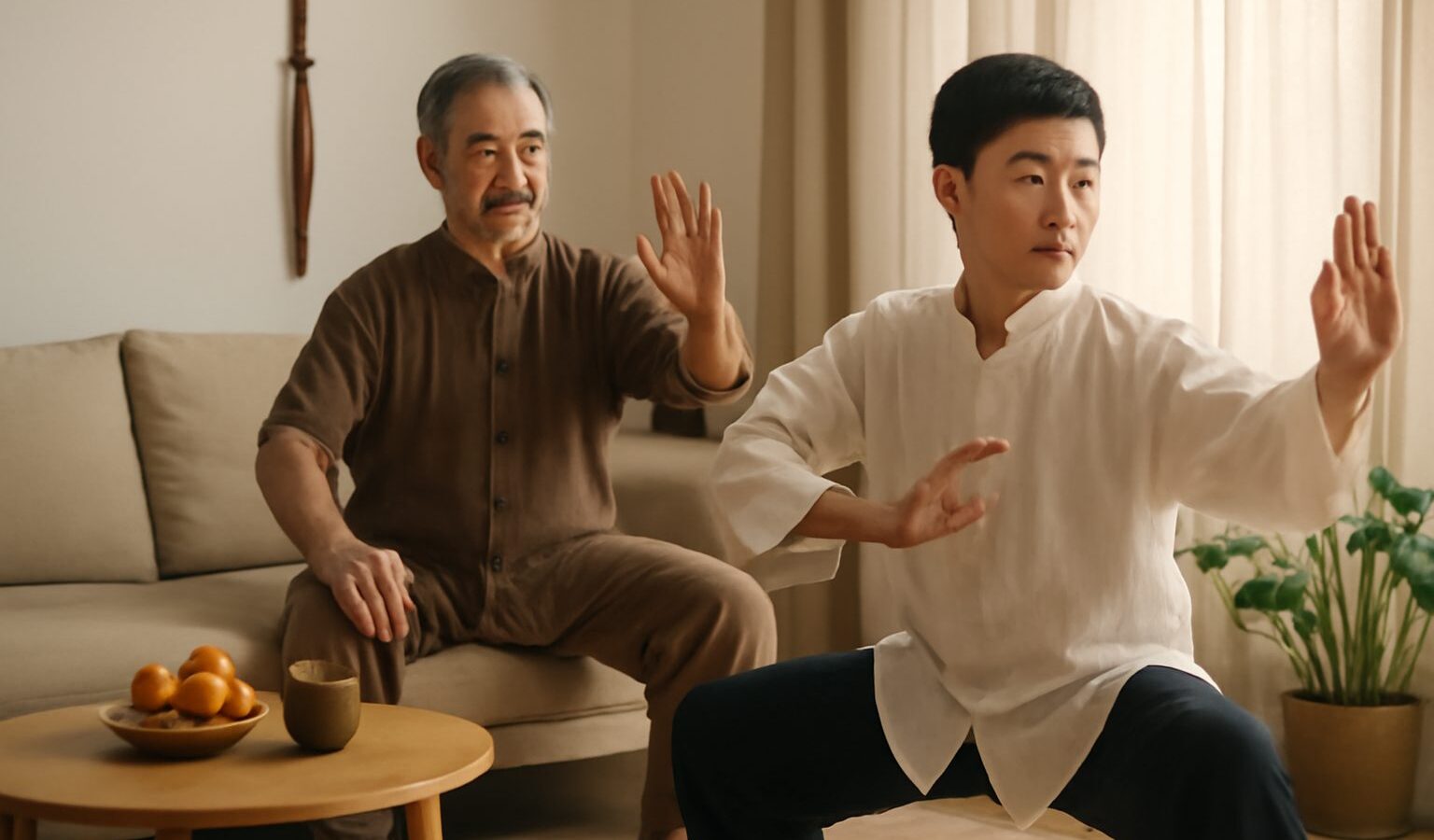
Behind the disciplined stances and flowing forms of the practice hall lies a tradition carried across the sea by generations of migrants. The wushu heritage Singapore holds today is a living inheritance, passed from teacher to student, kept alive in clan halls, community centres and competition arenas across the island.
What Chinese martial arts and wushu are
Wushu is the broad Chinese term for martial arts, covering a vast family of styles that developed over many centuries. It includes both external systems that emphasise speed, strength and striking, and internal systems such as taiji that stress breath, balance and slow, deliberate movement. In modern usage, wushu also refers to the codified sport that features standardised routines judged on precision, power and grace.
For the Chinese communities who settled in Singapore, martial arts were never only about combat. They were a form of physical culture that built health and discipline, a means of self defence in uncertain times, and a bond that tied people to their dialect group and ancestral home. A student who trained under a respected teacher joined a lineage, and that sense of belonging mattered as much as any technique learned.
The term kung fu is often used interchangeably in everyday speech. Strictly, kung fu refers to skill achieved through patient effort in any discipline, but it has come to mean traditional Chinese martial arts in popular culture. Whether called wushu, kung fu or simply the art, the heritage rests on the same foundation of respect, repetition and devotion to a craft.
Its heritage in Singapore
Chinese martial arts arrived with the waves of migrants who came from southern China, each dialect group bringing its own preferred styles. Southern systems, with their rooted stances and short, powerful hand techniques, took particularly strong hold among the Hokkien, Teochew, Cantonese and Hakka communities. Northern styles, with their longer reach and acrobatic kicks, also found followers.
Clan associations and dialect group halls became natural homes for training. These organisations already served as anchors for new arrivals, offering shelter, work connections and a place to gather. Adding a martial arts wing gave young men purpose, kept idle hands busy and preserved a treasured link to the homeland. Masters taught in courtyards, temple grounds and back rooms, often for little more than the cost of upkeep.
The art also carried a protective role. In the crowded, sometimes rough conditions of early settlement, knowing how to defend oneself and one’s community had real value. Some troupes were tied to trades and guilds, lending muscle and pride to their members. Over time, as the city grew more settled, the emphasis shifted from self defence towards health, culture and performance, though the discipline at the heart of training never changed.
Forms, styles and training
At the centre of every style sits the form, a choreographed sequence of movements that encodes the principles and techniques of a system. A student learns forms slowly, refining each posture until the whole flows as one. Repetition is the teacher’s chief tool, and progress is measured in years rather than weeks.
Training also builds the body and the character. Stance work strengthens the legs and roots the practitioner to the ground. Breathing practice steadies the mind. Partner drills teach timing and distance. Above all, the relationship between teacher and student shapes the learning, for the master passes on not just movements but attitude, ethics and the unwritten codes of the tradition.
Common families of practice
- Southern hand styles, known for low stances and strong, close range techniques suited to compact spaces.
- Northern long styles, marked by extended movements, sweeping kicks and athletic leaps.
- Internal arts such as taiji, favoured for their slow tempo, health benefits and appeal across all ages.
- Weapons routines using the staff, sabre, spear and straight sword, which demand coordination and control.
| Aspect | Traditional wushu | Modern competitive wushu |
|---|---|---|
| Main aim | Self defence, health, lineage | Sport, performance, judging |
| Setting | Clan halls, courtyards, community groups | Schools, clubs, competition arenas |
| Emphasis | Application and discipline | Precision, power and presentation |
| Learning path | Long apprenticeship under one teacher | Structured coaching and grading |
| Public face | Festival displays and demonstrations | Standardised routines and medals |
Links to lion dance and community life
Chinese martial arts and lion dance are closely bound. Many lion dance troupes grew out of martial arts schools, because the stamina, footwork and rooted stances of the lion dancer come straight from martial training. The rhythmic play beneath the lion, the sudden leaps and the steady low postures all draw on the same foundation. During Lunar New Year and temple festivals, these troupes bring streets and courtyards to life, and behind the colourful costume stands a hall of disciplined practitioners.
This connection kept martial arts visible in public life even as formal training moved indoors. A troupe performing at a shop opening or a temple celebration is, in effect, a martial arts school showing its heritage in motion. The drum, the cymbals and the lion carry the same spirit of vitality and protection that the arts have always represented.
Where wushu heritage lives on today
Wushu in Singapore now thrives on several fronts at once. Community centres and clubs offer classes to children and adults, welcoming people of every background. Competitive wushu has grown into a respected sport, with athletes training in standardised routines and representing the country at regional and international level. Taiji groups gather in parks and void decks in the early morning, keeping the internal arts accessible and popular among older residents.
Traditional schools and clan associations continue to teach their lineage styles, preserving forms that might otherwise fade. Some blend old and new, holding to their roots while embracing modern coaching. Others keep the courtyard atmosphere of an earlier age, where a handful of dedicated students learn much as their teachers once did.
What binds all these threads is the same value that carried the art across the sea: respect. Respect for the teacher, for the lineage, for the effort demanded and for the culture the practice carries. As long as a student bows before training and a teacher passes on what was given to them, the heritage remains a living one.
A respectful close
The wushu heritage of Singapore is not a museum piece but a discipline still practised in halls and parks across the island. It rewards patience, honours those who came before, and offers each new generation a way to inherit strength, culture and belonging. To watch a form performed well, or to feel the ground beneath a settled stance, is to touch a tradition that has travelled far and endured.
Explore more: Traditional trades of Singapore · Lion dance and dragon dance in Singapore · Chinese calligraphy heritage