
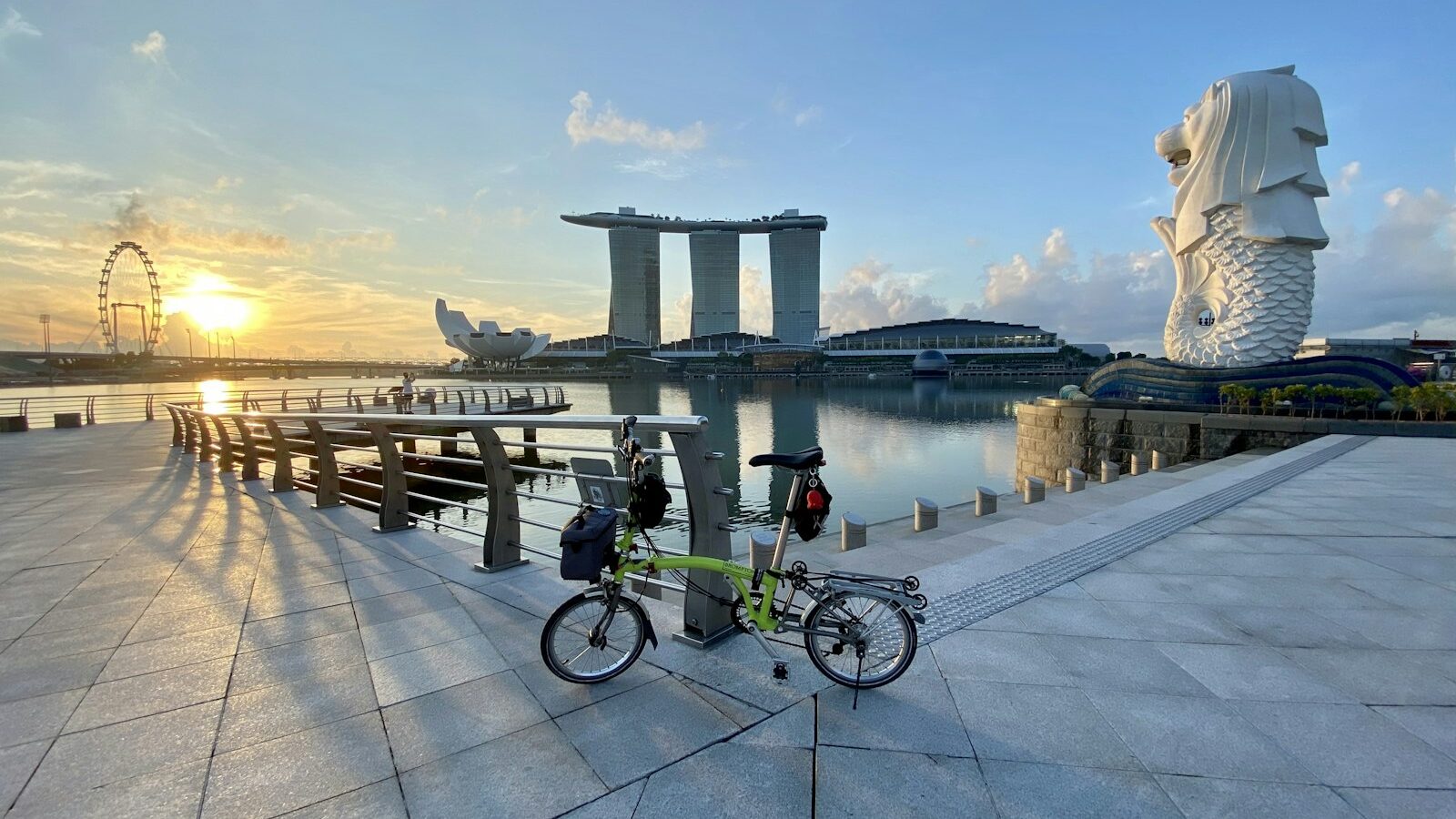
Before an airport welcomed the world, Singapore greeted arrivals from the sea, and much of that welcome happened along Collyer Quay. This guide traces Clifford Pier history together with the story of the waterfront it served, from a busy landing point for boats and passengers to the conserved landmark it is today. It is a tale of the city meeting the water.
History and Significance
Collyer Quay was the elegant face that colonial Singapore turned towards the harbour. Running along the seafront of the commercial district, it was lined with imposing buildings whose fronts looked out over a crowded roadstead of ships. For travellers arriving by sea, this waterfront was often their first close view of the city, a row of handsome facades rising straight from the water’s edge.
Clifford Pier was the practical gateway within that grand setting. As a landing stage, it was where passengers stepped ashore from the larger vessels anchored offshore, ferried in by smaller boats known as bumboats and launches. It bustled with the human traffic of a great port, welcoming immigrants, traders, sailors and returning residents. Cargo, mail and countless personal journeys passed across its decks, making it a threshold between the wider world and the island.
The pier itself was admired as a fine piece of engineering and design, with a covered concourse that sheltered crowds from sun and rain. It became a beloved fixture of the harbourfront, its silhouette familiar to anyone who knew the city from the sea. Around it, Collyer Quay hummed with the business of shipping agents, offices and all the trades that a port requires.
Because the shoreline has been reshaped many times through reclamation, the relationship between pier, quay and open water has shifted over the years. Anyone seeking exact dates, dimensions or the sequence of changes should consult verified heritage sources, as those particulars deserve careful checking.
What It Was and What It Is Now
In its working life, Clifford Pier was above all a place of arrival and departure by sea. It served ferries and launches, handled passengers bound for ships and offered a point of contact between land and water in the days when the harbour was the city’s front door. Collyer Quay, meanwhile, functioned as a prime commercial waterfront address.
That role changed as Singapore built modern port facilities elsewhere and as land reclamation created the new Marina Bay district, pushing the shoreline outward and leaving the old pier set back from the open sea. With its original purpose gone, the pier could easily have been lost.
Instead it was conserved and given a new life. The historic pier structure has been restored and repurposed as part of a hospitality and lifestyle setting by the bay, so that its distinctive form is preserved and enjoyed rather than forgotten. Collyer Quay has likewise evolved into a district of offices, hotels and waterfront amenities within the wider Marina Bay area. The precise uses, tenants and public access arrangements change over time, so it is best to check current details before visiting.
Then and Now at a Glance
The table sketches the shift in roles. Read it as a broad guide rather than a precise record.
| Aspect | As a Working Waterfront | In Recent Times |
|---|---|---|
| Clifford Pier’s role | Landing stage for sea passengers | Conserved landmark in a lifestyle setting |
| Collyer Quay’s role | Grand commercial seafront | District within greater Marina Bay |
| Relationship to sea | Directly on the open harbour | Set back behind reclaimed land |
| Main activity | Arrivals, departures, shipping | Hospitality, dining and heritage |
Heritage Value
The heritage value of Clifford Pier and Collyer Quay lies in what they represent about Singapore’s identity as a port. The city’s fortunes were built on the sea, and this stretch of waterfront was where that maritime life became visible and personal. Every arrival across the pier was a small chapter in the larger story of migration, trade and connection that made the island what it is.
The pier’s physical form adds architectural value. Its graceful structure records the design ambitions of its age and stands as a rare survivor of the old harbourfront. Preserving it keeps a tangible piece of the maritime city amid a skyline now dominated by towers and reclaimed land.
There is emotional value too. For many families, the waterfront is tied to memories of first arrivals, farewells and outings by the sea. Keeping the pier alive honours those stories and gives newer generations a place to imagine them.
Why It Still Matters
- It preserves the memory of Singapore as a city that met the world by sea.
- It keeps a rare piece of the historic harbourfront within reach.
- It links personal stories of arrival and departure to a physical place.
- It anchors the fast-changing Marina Bay district to its maritime roots.
Visiting With Perspective
To appreciate the site, try to picture the open water that once lay directly before the pier and the ships that crowded the roadstead beyond. Notice how reclamation has changed the geography, and let that contrast sharpen your sense of how much the shoreline has moved. For confirmed dates, measurements and the fuller history, rely on trustworthy heritage resources, as those specifics merit proper verification rather than casual retelling.
A Respectful Closing
Clifford Pier and Collyer Quay carry the memory of a Singapore that faced the sea and welcomed the world across its decks. Though the open water has retreated behind new land, the conserved pier still speaks of arrivals, departures and the port that built a nation. Stand by it with a sense of that history, and the old gateway will feel less like a relic and more like a witness to countless journeys.
Explore more: The Singapore River Story · Boat Quay and Clarke Quay History · Conservation of Heritage Buildings