
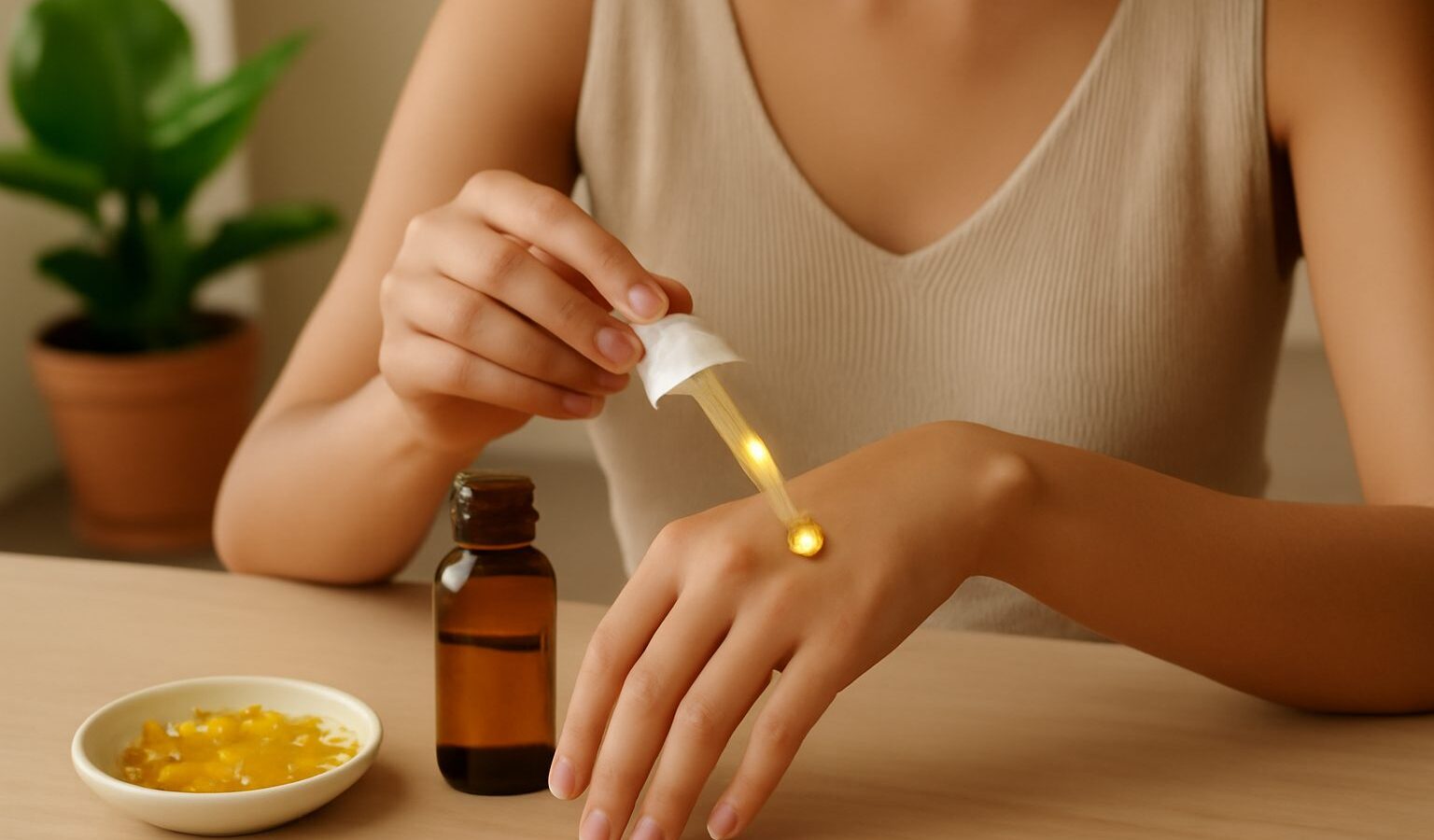
Coenzyme Q10 has quietly appeared in anti-ageing creams for years, often with a golden-yellow tint and a lot of promises attached. If you are curious about coq10 skincare in Singapore and whether it deserves a spot in your routine, it helps to separate the marketing from the substance. Coenzyme Q10, also written as CoQ10 or ubiquinone, is a naturally occurring antioxidant found in our own cells. Applied to skin, it is a reasonable, gentle supporting ingredient. It is not a dramatic wrinkle cure, and understanding that difference will save you money and disappointment.
What Coenzyme Q10 Is
Your body already makes CoQ10. It plays a role in how cells produce energy, and it acts as an antioxidant that helps protect cells from damage. Levels are thought to decline gradually with age, which is part of why it became popular in products aimed at mature skin.
On a label you will see it listed as ubiquinone. It is oil-soluble and often has a natural yellow-orange colour, so a faint tint in a cream is normal rather than a sign of anything wrong. Because it is an antioxidant, its job in skincare is broadly similar to vitamins C and E: helping to mop up the unstable free radicals generated by ultraviolet light and pollution. For a wider picture of how antioxidants fit together, our overview of green tea and antioxidants in skincare is a useful companion.
What the Evidence Says
Here is the honest picture. There is some research suggesting topical CoQ10 can help with signs of ageing, such as the appearance of fine lines, and that it offers antioxidant support at the skin surface. The studies tend to be small, though, and the effects are modest rather than transformative. It is a supportive ingredient, not a heavyweight active in the way retinoids or well-formulated vitamin C can be.
It is also worth knowing that CoQ10 is a fairly large, oily molecule, which raises sensible questions about how deeply it penetrates when applied to skin. Some formulas use smaller related forms or clever delivery systems to help with this, but you generally cannot tell from the front of the bottle.
None of this makes it a bad ingredient. It is well tolerated, rarely irritating, and a pleasant addition to a moisturiser. Just keep expectations grounded. This is general cosmetic information, not medical advice, and no cream should be treated as a treatment for a medical concern.
Who It Suits
CoQ10 is a gentle option, which makes it friendly to most skin types, including sensitive skin that reacts badly to stronger actives. If retinoids or acids feel too much for you, an antioxidant like CoQ10 can be a calmer way to add some protective support to your routine. Our guide to sensitive skin care covers how to build a routine around tolerance rather than intensity.
It tends to appeal most to people interested in preventive, everyday antioxidant care, particularly those with normal to dry or maturing skin. If your main concerns are active breakouts or oil control, CoQ10 is not the ingredient to reach for first, though it can still sit comfortably in a lightweight moisturiser alongside whatever you use for those.
Using It in Humid Singapore
The main consideration in our climate is, as ever, texture. CoQ10 is oil-soluble, so it often turns up in richer creams that can feel heavy in the heat and stickiness of a Singapore afternoon. You do not have to avoid it, but you may prefer it in a lighter lotion or serum rather than a thick night cream, especially if your skin runs oily or combination.
A few practical pointers:
- Patch test any new product first, following the approach in our guide on how to patch test new skincare, and give it a few days before committing.
- Introduce it on its own, not at the same time as other new actives, so you can judge how your skin responds.
- Store it sensibly. Antioxidants like CoQ10 can degrade with light and heat, so keep products out of direct sun and away from a hot bathroom windowsill.
- Use it morning or night. In the day it can sit under sunscreen as part of an antioxidant layer, but it never replaces sun protection.
That last point matters everywhere, and especially here. Singapore has strong ultraviolet levels all year round, and no antioxidant, CoQ10 included, is a substitute for daily sunscreen. If anything, antioxidants are best understood as a helpful backup to good sun habits, not an alternative to them. Our overview of sunscreen and sun protection is the piece to read if you only fix one thing in your routine.
The Honest Wrap-Up
Coenzyme Q10 is a decent, well-tolerated antioxidant that makes a nice supporting player in a moisturiser, particularly for people who want gentle, preventive care rather than strong actives. The evidence for its anti-ageing benefits is real but modest, and questions remain about how much penetrates the skin, so treat any bold wrinkle-erasing claims with a healthy dose of scepticism.
Choose a texture that suits our humid weather, patch test before you dive in, and keep it as one part of a routine that leans hard on sun protection. And if you are dealing with a persistent skin concern, a reaction that will not settle, or changes you are unsure about, see a doctor or dermatologist rather than expecting any single ingredient to do the job.