
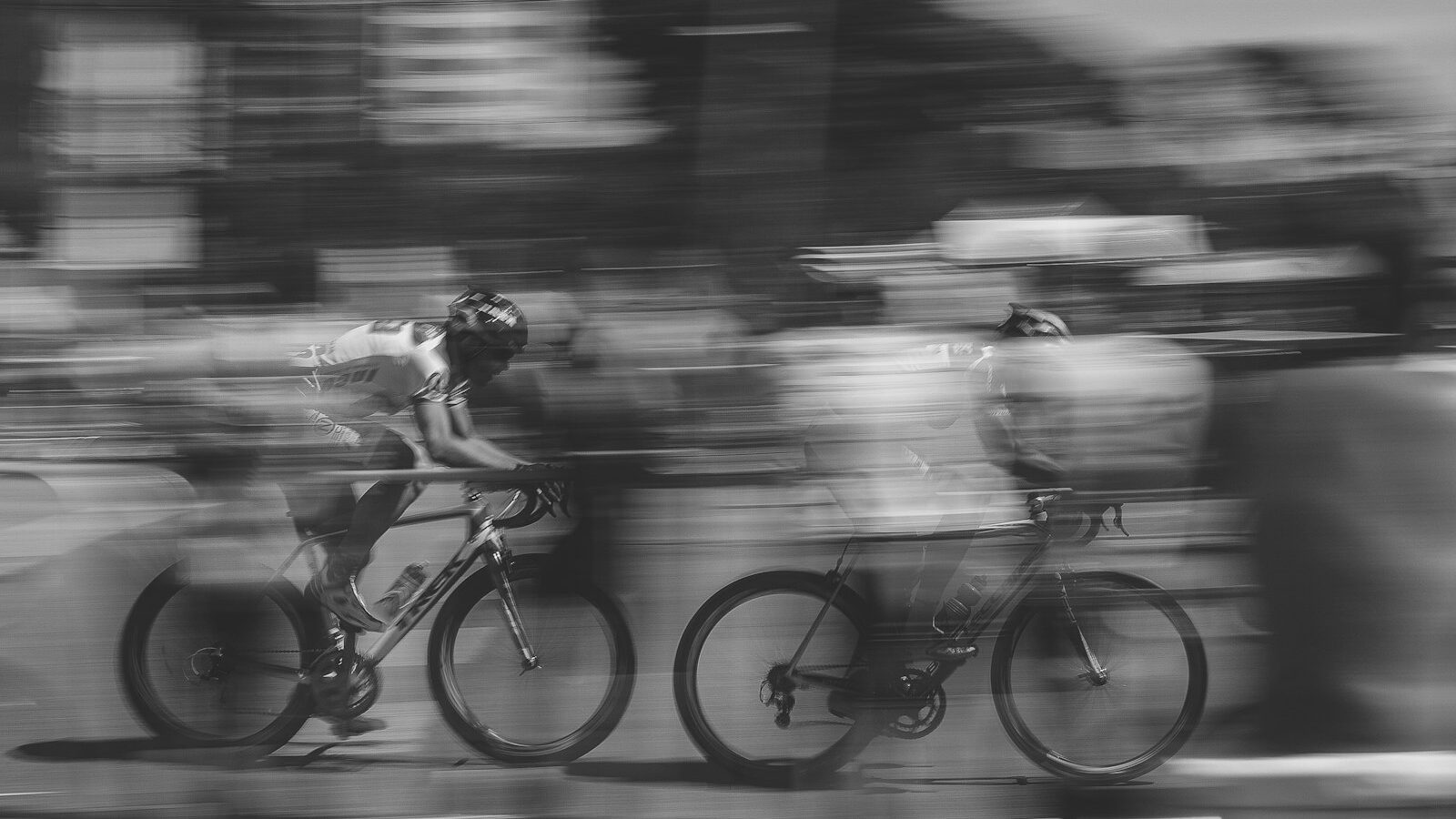
For a compact, tropical city, Singapore is a surprisingly rewarding place to ride. Cycling in Singapore ranges from gentle family loops on the Park Connector Network to sweaty pre-dawn road efforts and technical mountain-bike trails carved through secondary forest. Whether you want a car-free commute, a weekend adventure with the kids, or serious training mileage, there is a version of the sport that fits. This guide walks through the main types of riding, the rules that keep everyone safe, the gear that matters, and where to actually go.
The Different Ways to Ride Here
It helps to know what kind of cyclist you want to be, because the bike, the routes and the risks differ.
- Leisure and family riding sticks mostly to park connectors and park loops, at relaxed speeds, often on hybrids or shared-bike rentals.
- Commuting links home to work or an MRT station, prioritising reliability, lights and a way to carry things.
- Road cycling covers distance and speed on the roads, usually early in the morning to beat traffic and heat.
- Mountain biking takes to dedicated off-road trails with roots, ruts and short climbs.
Most people start on the connectors and drift toward one of the other styles as fitness and confidence grow. There is no wrong entry point, and you can happily stay a weekend park rider forever.
The Park Connector Network and Where to Explore
The Park Connector Network (PCN), managed by NParks, is the backbone of casual cycling in Singapore. It stitches parks, town centres and nature areas together with mostly flat, sheltered paths, so you can ride for a long stretch without mixing heavily with traffic. Longer loops such as the round-island route let ambitious riders string connectors into a full-day expedition.
Popular starting points include the eastern coastal stretch, the Kallang basin, and the central and northern connectors that reach toward the reservoirs. For off-road riders, dedicated mountain-bike trails offer a completely different experience from the smooth connectors, and they demand more skill and a sturdier bike.
Because path conditions, closures and new links change over time, check the current PCN maps and trail status on the NParks website before a long ride. If your training is more about steady cardio than exploration, our guide to running routes in Singapore covers many of the same green corridors on foot.
Rules of the Road and Path
Singapore has clear rules about where different devices may go, and they matter for both safety and staying on the right side of the law. In broad terms, bicycles are allowed on roads, on shared paths and on cycling paths, while footpaths have their own device restrictions. Group riding on roads is capped in size, and everyone is expected to keep to sensible speeds around pedestrians.
The safest approach is simple:
- Give way to pedestrians on shared paths and slow right down when passing.
- Follow traffic rules on the road, including signalling and stopping at red lights.
- Ride in the direction of traffic, never against it.
- Use a bell to warn others before overtaking.
Rules on device categories, path types and group sizes are updated periodically by the Land Transport Authority (LTA), so confirm the current regulations on the LTA website rather than relying on hearsay. Because helmet rules and safety norms differ by setting, and because this is general information rather than personalised advice, treat the following section as a starting point and adapt it to your own riding.
Gear, Safety and Staying Comfortable in the Heat
You do not need an expensive bike to start, but a few items make riding safer and far more pleasant in the local climate.
- Helmet. Strongly recommended everywhere and required on roads for cyclists. Replace it after any real impact.
- Lights. A white front and red rear light are essential for early-morning and evening rides, and required after dark.
- Hydration. Heat and humidity dehydrate you fast, so carry water and drink before you feel thirsty.
- Sun protection. Sunscreen, or an early start, saves you from the worst of the midday sun.
- Basic repair kit. A spare tube, tyre levers and a small pump turn a ride-ending puncture into a ten-minute pause.
Ride within your limits, especially in the heat, and build distance gradually. If you have a heart condition or are returning to exercise after illness or injury, check with a doctor first. The Health Promotion Board (HPB) publishes general activity guidance that is a sensible reference point.
Choosing a Bike and a Riding Style
The right bike depends on where you plan to ride most. This comparison sums up the common options.
| Riding style | Typical bike | Where you ride | Good for |
|---|---|---|---|
| Leisure and family | Hybrid or shared bike | Park connectors, park loops | Easy fitness and outings with kids |
| Commuting | Hybrid or foldable | Roads, paths, MRT link-ups | Car-free travel and errands |
| Road cycling | Road bike | Roads, early mornings | Distance, speed and training |
| Mountain biking | Mountain bike | Dedicated off-road trails | Skills, adventure and terrain |
Foldable bikes deserve a special mention for commuters, because they can be carried onto public transport outside peak restrictions, which solves the last-mile problem neatly. Shared-bike schemes are a low-commitment way to test whether you enjoy riding before buying anything.
Building Cycling Into a Weekly Routine
Cycling pairs well with other training because it is low impact on the joints. A realistic weekly rhythm might be one longer weekend explore on the connectors, one or two shorter weekday commutes, and a gym or mobility session to balance the legs-heavy load. If you want to add variety, alternate riding with other outdoor sports so you are not repeating the same movement pattern every day.
Consistency beats intensity for most people. Twenty easy minutes several times a week does more for health than one heroic ride a month. Track your routes, celebrate small distance milestones, and let the habit build. Before long the bike becomes the obvious choice for a short trip, and the fitness follows almost as a side effect.
Explore More
For more ways to stay active outdoors, see our guide to running routes in Singapore and the sibling piece on hiking and nature trails in Singapore, both of which share the same green corridors. If you would rather add indoor cross-training, compare the best gyms in Singapore or plan around public venues in our guide to using ActiveSG facilities in Singapore.