
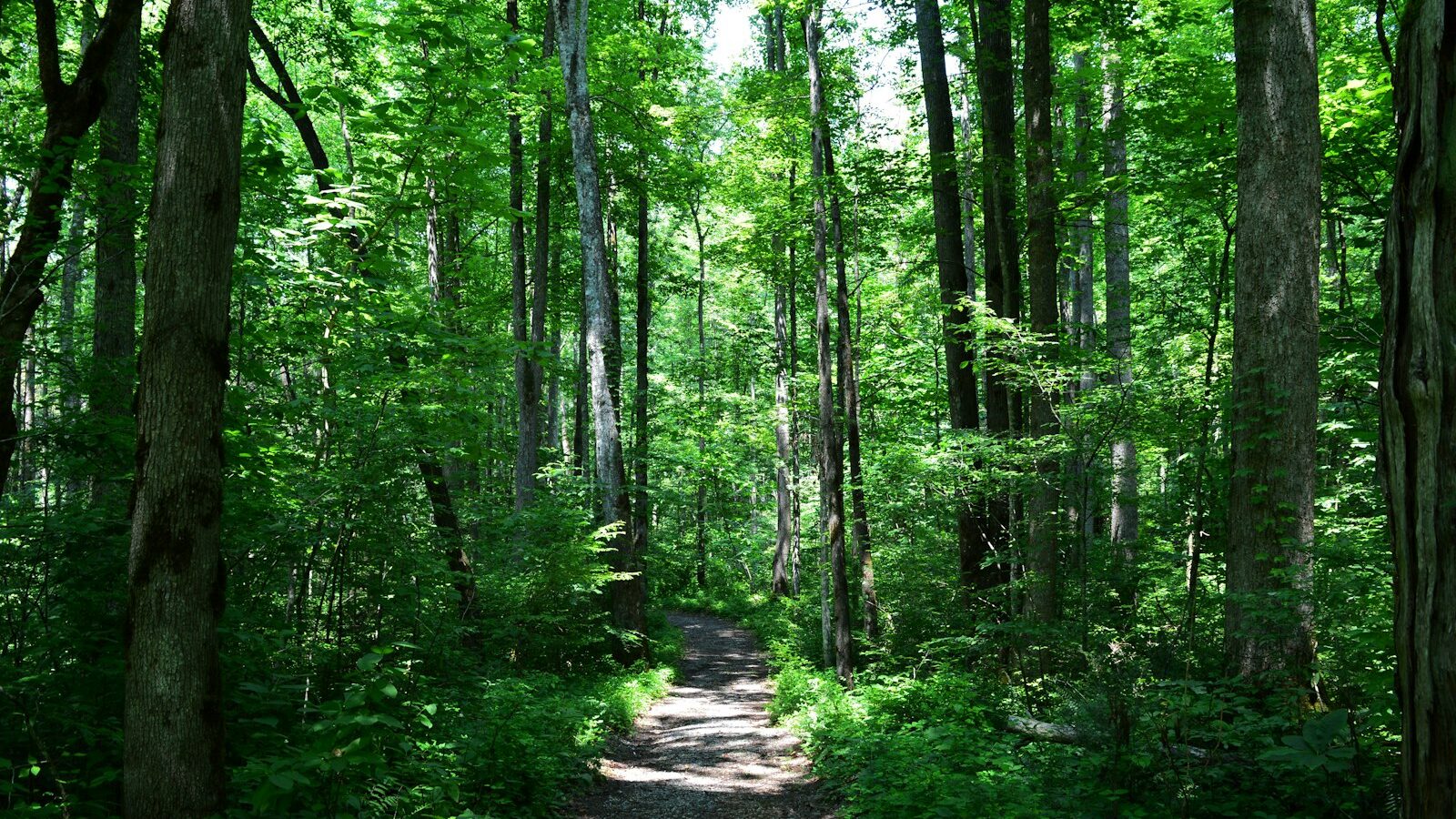
For a compact city, Singapore hides a surprising amount of green. The best hiking trails Singapore has to offer range from flat, stroller-friendly park connectors to genuine forest paths with roots underfoot and macaques overhead. You do not need a car or a full day off to reach them. Most trailheads sit a short bus or MRT ride away, which makes hiking one of the easiest ways to stay active without paying for a gym. This guide walks you through the main trail types, a few standout routes, and the practical details that keep a walk enjoyable rather than a sweaty ordeal.
Understanding the Main Types of Trails
Not every “trail” in Singapore is the same, and knowing the difference helps you match a route to your fitness and the people you bring along.
- Park connectors and paved loops. Managed by NParks, these are sealed or boardwalked paths, usually flat, and open to walkers, joggers and often cyclists. They suit families, older walkers and anyone easing back into activity.
- Nature reserve trails. Found in places like the Central Catchment and Bukit Timah Nature Reserve, these are more rugged, with uneven ground, gradients and real forest. They reward you with quiet and wildlife but ask more of your legs.
- Coastal and ridge walks. Elevated boardwalks and hilltop links, such as the Southern Ridges, mix easy walking with a few climbs and long views.
- Long-distance routes. The Coast to Coast Trail stitches parks, connectors and neighbourhoods into a cross-island journey you can tackle in segments.
Understanding these categories lets you plan around your energy, the weather and who is coming with you.
Trails Worth Putting on Your List
A few routes come up again and again when Singapore walkers compare notes, and each offers something different.
The MacRitchie Reservoir loop is the classic. Its highlight is the TreeTop Walk, a suspension bridge strung high across the forest canopy, reached after a decent stretch of undulating trail. Expect long-tailed macaques, monitor lizards and, if you are lucky, flying lemurs at dusk. Bukit Timah Nature Reserve protects one of the region’s last patches of primary rainforest and includes the summit path to Singapore’s highest natural point, short but genuinely steep in places.
For scenery with less forest cover, the Southern Ridges links Mount Faber, Telok Blangah Hill and Kent Ridge, with the curving Henderson Waves bridge as its signature. The Coney Island and Chek Jawa boardwalks in the east lean flat and wildlife-rich, good for a gentler outing. Newer to many is the Rail Corridor, a long green spine following the old railway line, mostly level and easy to join or leave at multiple points.
Matching a Trail to Your Group
The right trail depends on who is walking, how much time you have and how much shade and facilities you want. The table below sketches a rough guide.
| Trail type | Typical difficulty | Good for | Watch out for |
|---|---|---|---|
| Park connector or Rail Corridor | Easy, mostly flat | Families, beginners, prams | Limited shade in open stretches |
| Coastal boardwalk (Coney, Chek Jawa) | Easy | All ages, wildlife spotting | Tide timings, few shelters |
| Southern Ridges | Moderate, some climbs | Fitter families, views | A few staircases and slopes |
| MacRitchie TreeTop Walk | Moderate to hard | Regular walkers | Distance, monkeys near food |
| Bukit Timah summit | Hard in parts | Experienced hikers | Steep, slippery when wet |
Treat this as a starting point rather than a rule. Trail conditions change, and NParks sometimes closes sections for maintenance or safety, so check the current status on the NParks website before you set out.
Staying Safe and Comfortable in the Heat
Singapore’s climate is the real challenge on any walk, more than the terrain. Heat and humidity build up fast, and an easy trail can feel punishing at midday.
- Go early or late. Aim to start soon after sunrise or in the late afternoon. The middle of the day is hottest and offers the least reward.
- Carry more water than you think you need. There are few refill points inside the reserves. Bring a bottle and sip regularly rather than waiting until you feel thirsty.
- Dress for the sweat. Light, quick-drying clothing, a cap and proper shoes with grip make a real difference on damp, rooty ground.
- Respect the wildlife. Do not feed the macaques, and keep food sealed and out of sight. They associate bags with snacks and can turn bold.
- Watch the sky. Sudden thunderstorms are common. Lightning is a genuine hazard on exposed ridges and open connectors, so turn back or shelter if you hear thunder.
The Health Promotion Board (HPB) encourages regular moderate activity, and steady walking counts, but build up your distance gradually if you are new to it. If you have a heart condition, are pregnant, or manage a chronic illness, check with a doctor before taking on the steeper reserve trails. This article is general information and not personalised medical advice.
Making Hiking a Regular Habit
The trick to hiking sticking is to lower the friction. Keep a small day bag packed with a bottle, a cap and a light rain shell so you can leave on short notice. Rotate a few trails near home rather than always driving across the island, and pair a walk with a meal or a coffee afterwards to make it social. Many residents build a weekly loop into their routine, alternating an easy connector on tired days with a tougher reserve trail when they have more in the tank. Over months, that rhythm does more for your fitness than the occasional heroic hike.
Singapore’s trails are also a fine gateway to other outdoor activity. If you enjoy the elevation and forest, bouldering or trail running may appeal next; if you prefer the flat and the breeze, cycling the connectors is a natural step up. The green network is dense enough that you can keep finding new corners for years.
Explore more
If hiking has you hungry for more ways to stay active outdoors, browse our guide to running routes in Singapore and our tips on cycling in Singapore, both of which use many of the same park connectors. For a change of terrain, our bouldering and climbing guide covers indoor and outdoor options across the island.