
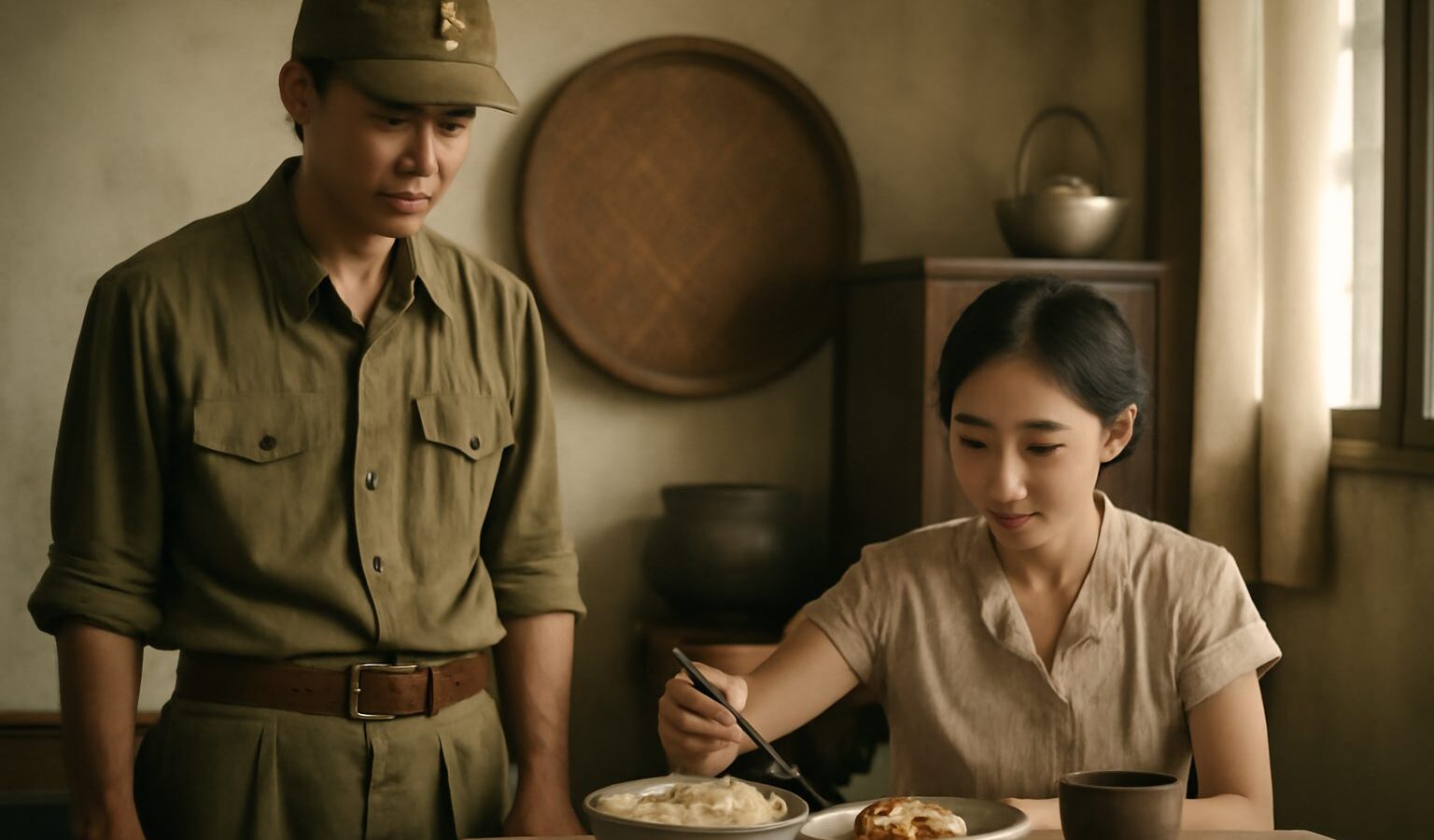
The story of Japanese Occupation daily life in Singapore is one of hardship endured with quiet resilience. For the years that Singapore was renamed Syonan-to, ordinary families faced scarcity, uncertainty, and fear, yet they found ways to feed their households, protect their children, and hold on to hope. This guide looks at that everyday experience with the gravity and respect it deserves.
A City Under a New Name
When the Occupation began, Singapore was placed under military administration and renamed. Clocks were changed, the calendar was altered, and daily routines had to bend to new rules. Public life carried an atmosphere of watchfulness, and residents learned to move carefully and draw as little attention as possible.
For most people, the war was not experienced through grand events but through the small, grinding difficulties of getting through each day. Work, food, schooling, and safety all became harder, and families adapted as best they could.
The Struggle for Food
Food shortage defined the era more than almost anything else. Rice, the staple of nearly every household, became scarce and was rationed. Families queued for their allocation and learned to stretch every grain.
When rice ran short, people turned to substitutes. Tapioca, sweet potato, and other hardy crops became mainstays, boiled, grated, or pounded into whatever form would fill a stomach. Many households grew their own vegetables in gardens and empty plots, and knowledge of which plants were edible became precious. Meals were simple and often monotonous, and going hungry was a common experience.
Making Do at the Table
- Tapioca and sweet potato replaced rice on many tables, prepared in countless ways to relieve the sameness.
- Home gardens sprang up wherever soil could be found, from backyards to roadside strips.
- Bartering for food became normal, as trusted goods often mattered more than cash.
- Nothing was wasted, and every scrap was used or saved.
Banana Money and a Broken Economy
One of the most remembered features of the period is the occupation currency, widely nicknamed “banana money” because some notes carried a banana tree design. Issued by the authorities, it was printed in large quantities and steadily lost its value.
As prices climbed, people needed ever larger bundles of notes to buy basic goods. Many families kept whatever items of real worth they could, since trusted goods held value when the paper money did not. When the Occupation ended, the currency became worthless, and households that had held it were left with nothing but paper. The memory of banana money endures as a symbol of the era’s instability.
| Aspect of daily life | Before the Occupation | During the Occupation |
|---|---|---|
| Staple food | Rice widely available | Rice rationed, tapioca common |
| Money | Stable local currency | Occupation notes losing value |
| Trade | Open markets | Rationing and bartering |
| Mood | Ordinary routine | Caution and uncertainty |
Schooling, Language, and Work
Schools reopened under new expectations, and the Japanese language was introduced into lessons and public life. Children learned new songs, phrases, and forms of greeting, and the school day reflected the priorities of the administration.
Adults sought work where they could, though jobs were uncertain and wages bought little as prices rose. Some found employment in offices or services, while many others relied on small trades, hawking, and whatever labour was available. The daily task of simply earning enough to eat occupied most of people’s energy.
Fear, Caution, and Community
The Occupation was a time of real fear, and residents lived with a heightened sense of caution. People were careful about what they said and where they went, and rumours travelled quickly. Families kept close and watched out for one another, and neighbours shared food, news, and comfort in difficult moments.
Out of this hardship grew a deep sense of community. In kampongs, shophouses, and crowded quarters, people leaned on each other. Elders guided the young, neighbours pooled resources, and small acts of kindness carried great weight. This quiet solidarity became one of the era’s most enduring lessons.
Small Joys and Endurance
Even in scarcity, ordinary life continued. Children found ways to play with simple homemade toys, families marked festivals as best they could with what little they had, and stories, songs, and faith offered comfort. These small joys did not erase the hardship, but they helped people endure it and preserved a sense of dignity and hope.
Home, Health, and Getting By
Beyond food and money, the practical business of running a household grew steadily harder. Everyday goods such as cloth, soap, medicine, and fuel became scarce, and people repaired, reused, and improvised constantly. Clothes were patched and handed down, and items that had once been ordinary became things to guard carefully.
Health was a constant worry. With medicine in short supply and diets poor, families relied heavily on home remedies, traditional knowledge, and careful nursing when someone fell ill. Keeping a household clean and fed took enormous effort, and much of that labour fell to women and older children who managed the home while adults sought work or food.
Transport and communication were limited, so life often narrowed to one’s own neighbourhood. People walked where they needed to go, traded within their community, and depended on word of mouth for news. In these tight circles, reputation and trust mattered greatly, and a neighbour’s help could make the difference in a hard week.
Remembering With Respect
The full history of the Occupation includes suffering that deserves to be remembered soberly and honoured through proper places of memory and learning. This article focuses on the texture of everyday life, and it does so without reducing that suffering to figures or spectacle. The dignity of those who lived through the period is best served by remembering them as whole people, not as statistics.
For those who wish to understand more deeply, Singapore’s museums and memorials offer careful, factual accounts and the testimonies of survivors. Visiting them is a meaningful way to pay respect and to keep the lessons of the era alive for younger generations.
A Legacy of Resilience
Japanese Occupation daily life in Singapore was marked by want, worry, and loss, yet also by resourcefulness and the strength of ordinary people. Families who stretched a handful of tapioca, neighbours who shared what little they had, and communities that held together through fear left behind a legacy of resilience. Remembering their experience with gravity and gratitude is how we honour a generation that carried the city through its darkest years.
Explore more: Singapore in WWII · Changi Chapel and Museum Guide · Kampong Days in Singapore