
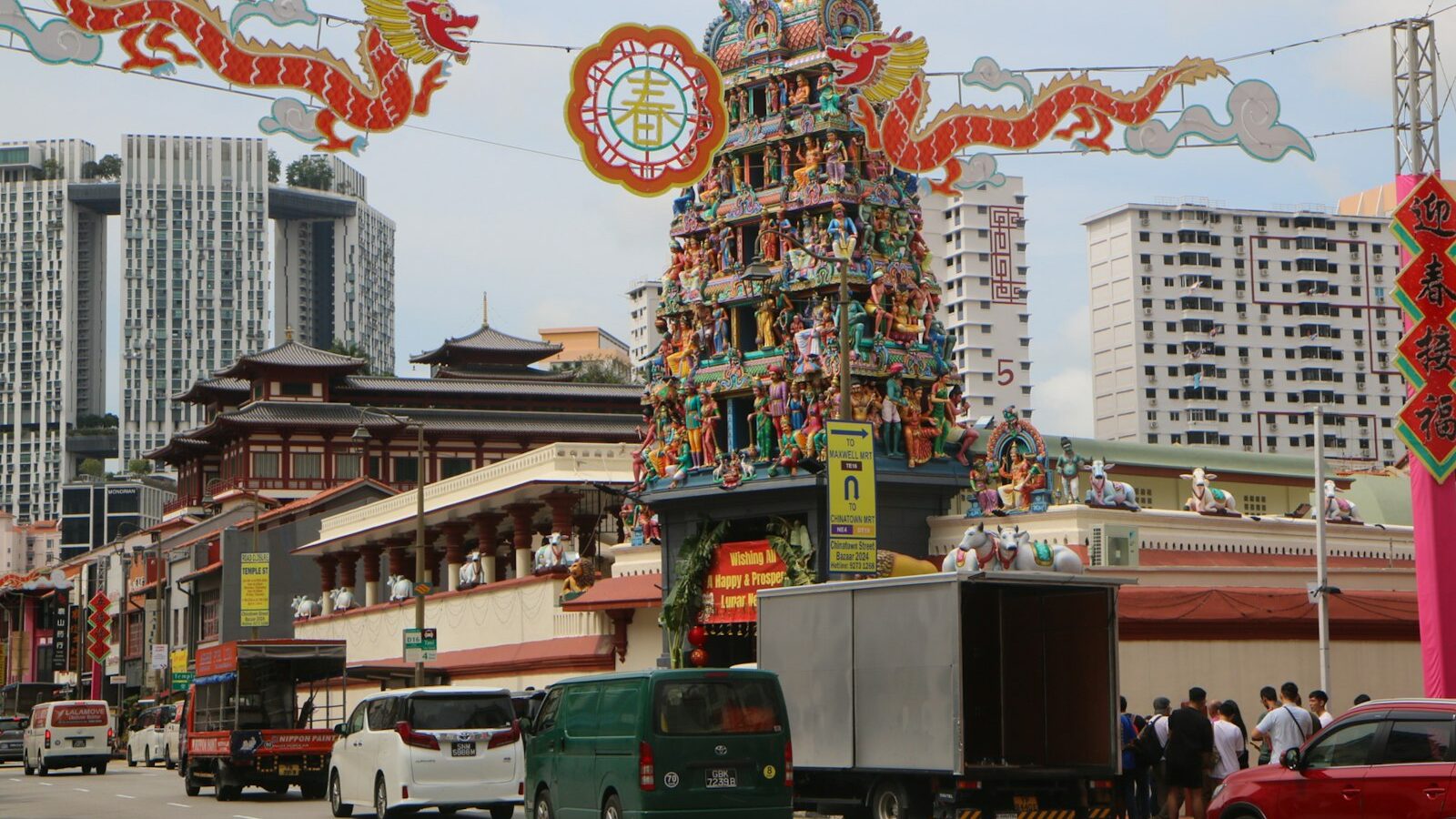
Loyang Tua Pek Kong is one of Singapore’s most quietly remarkable places of worship, a temple where Taoist deities, a Hindu shrine and a Muslim keramat sit side by side in the same compound. Tucked away in the eastern reaches of the island near Loyang Way, it draws devotees of several faiths as well as curious visitors who come to see what religious harmony looks like in practice. The temple is a working sanctuary rather than a museum, and understanding a little of its story helps a first-time visitor step through the gates with the right spirit.
History and Significance
The temple’s origins are humble, which is part of its appeal. Local accounts describe how, in the decades before its present home was built, the deities and shrine objects were cared for by a small community and moved more than once before settling in the current compound. Rather than one grand founding moment, the temple grew through the devotion of ordinary people who kept the shrines alive across the years. If you want exact dates, opening details or the temple’s official account of its own history, check the temple management directly, as oral histories vary in the retelling and Sky Media does not wish to fix any single version as final.
What makes Loyang Tua Pek Kong distinctive is not scale but its layered identity. Tua Pek Kong, sometimes translated as the Grand Uncle, is a much loved figure in the Chinese folk and Taoist tradition, associated with protection, good fortune and safe passage. Around this central Taoist devotion, the compound has come to hold a Hindu shrine and a Muslim keramat, a Malay shrine honouring a revered figure. Devotees of different backgrounds pray in their own ways within the same grounds, and it is not unusual to see a Chinese family offering joss sticks a short walk from worshippers paying respects at the keramat.
What to See
A visit rewards slow attention. The main Taoist hall is the visual heart of the temple, rich with carved and gilded detail, altar tables, and the smoke and scent of incense. Take time to notice the craftsmanship in the roof lines and the deity statues, which reflect southern Chinese temple traditions carried to Singapore by earlier generations.
Beyond the main hall, look for the separate shrines that give the temple its interfaith character. The Hindu shrine and the Malay keramat each have their own customs and their own quiet dignity. Visitors should treat every shrine as a living place of prayer, not a photo backdrop. The grounds also feature the everyday texture of a busy temple, from offering areas to spaces where devotees pause and reflect. During major festivals and deity celebration days the atmosphere changes completely, with far larger crowds, performances and offerings, so plan around the calendar depending on whether you prefer quiet or festivity.
A Temple of Several Traditions
The table below offers a simple orientation to the different strands of worship you may encounter. It is a general guide only, and the temple management remains the authority on current practice.
| Element | Tradition | What visitors should know |
|---|---|---|
| Tua Pek Kong main hall | Chinese folk and Taoist | Central focus of the temple; incense offerings are common |
| Hindu shrine | Hindu | Observe from a respectful distance; follow any posted guidance |
| Malay keramat | Malay and Muslim folk devotion | A revered shrine; quiet respect is expected |
| Festival days | Multi-faith calendar | Expect large crowds, performances and heavier traffic |
Heritage Value
Loyang Tua Pek Kong matters beyond its walls because it is a working example of the everyday religious harmony that Singapore often speaks about in the abstract. Here it is not a slogan but a shared address. The temple shows how migrant communities adapted, preserved and blended traditions, and how sacred space in a dense city can be generous rather than exclusive. For students of Singapore’s social history, it is a reminder that harmony is maintained through habit and mutual respect rather than declared once and left alone.
The temple also reflects a broader Singapore story of relocation and renewal. Many places of worship on the island have moved as land use changed, rebuilding while trying to keep their spiritual continuity intact. Loyang Tua Pek Kong’s journey to its present home is part of that wider pattern, and it wears its history lightly.
Visiting Notes and Etiquette
A respectful visit is straightforward if you keep a few points in mind:
- Dress modestly. Cover your shoulders and avoid very short hems out of courtesy to worshippers.
- Lower your voice. This is a place of prayer, and quiet moves you from spectator to guest.
- Ask before photographing people at prayer, and look for any signs restricting photography at particular shrines.
- Do not touch altar items, offerings or shrine objects.
- If you wish to offer incense, follow the lead of regular devotees or ask temple helpers rather than guessing.
- Remove footwear where indicated, and follow the specific customs of each shrine you approach.
Practical details such as opening hours, festival dates and public transport access can change, so confirm current information with the temple before you set out. The temple sits in an industrial and eastern part of the island, and travel time from the city is worth planning for.
If you are new to Chinese temple customs, it helps to read up on basic worship etiquette before you go, so that your visit feels comfortable rather than uncertain. Newcomers often worry about doing the wrong thing, but a calm, observant and courteous manner is always welcome.
A Closing Thought
Loyang Tua Pek Kong is best understood not as a single monument but as a shared act of faith by many communities over many years. To stand in its compound is to see, in one modest eastern corner of Singapore, how different traditions can keep their own voices while sharing the same ground. Visit gently, watch more than you speak, and you will leave with a clearer sense of what harmony asks of us in daily life.
Explore more: Chinese Temples and Taoism in Singapore · Temple Worship Etiquette for Newcomers · Deity Birthdays and Temple Processions