
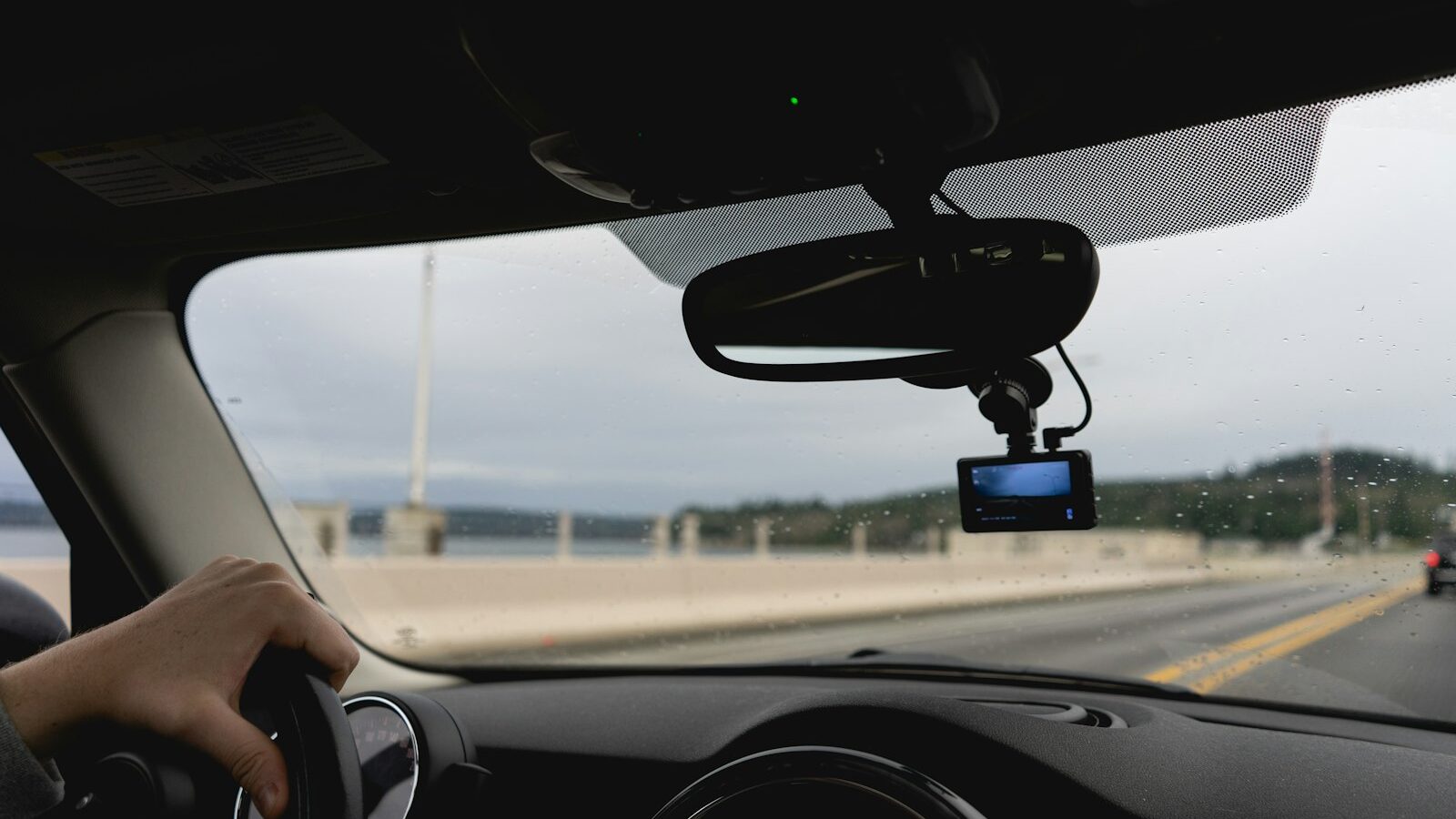
If you have spent any time on the CTE during a wet evening rush, you already know how quickly a calm drive can turn into an argument over who did what. A dash camera quietly records the road while you concentrate on driving, and it has become one of the most popular add-ons for cars in Singapore. This guide explains what dash cameras in Singapore actually do, the difference between front and rear units, the features that genuinely matter, and how footage helps when you need to make an insurance claim.
What A Dash Camera Actually Does
A dash camera is a small video recorder that mounts to your windscreen or dashboard and films the view ahead while the engine runs. Most models loop, which means they record over the oldest clips once the memory card fills up, so you never have to remember to press record. When the sensor detects a sudden jolt, such as a bump or hard braking, the camera locks the current clip so it is not overwritten later.
The point is not to catch every moment of your commute. It is to have a clear, time stamped account of the few seconds that matter when something goes wrong. That could be a lane change gone bad on the PIE, a rear ender at a traffic light, or a dispute in a multi storey carpark where no one saw what happened. Instead of relying on memory and raised voices, you have footage.
Good units also stamp each clip with the date, time, and often the GPS location and speed. That context can make a big difference when you are explaining events to an insurer or the authorities later.
Front, Rear, And Cabin: Choosing Your Coverage
The simplest setup is a single front facing camera, which covers the view most likely to be disputed. Many drivers stop there and are perfectly happy. Others add a rear camera, which is useful because a surprising number of knocks happen from behind, especially in slow moving traffic and at junctions. A rear unit also captures tailgaters and anyone who reverses into your boot in a carpark.
A third option is a cabin facing lens, which some private hire and delivery drivers value for recording what happens inside the vehicle. For most private owners this is optional. Think about how and where you drive, then match the coverage to your real risks rather than buying the most channels for their own sake.
Here is how the common setups compare.
| Setup | What it records | Best suited to |
|---|---|---|
| Front only | The road and traffic ahead | Most private drivers wanting basic cover |
| Front and rear | Ahead plus behind, including tailgaters | Anyone in heavy stop start traffic |
| Front, rear, and cabin | Outside views plus the interior | Private hire, delivery, or shared vehicles |
| Front with parking mode | The road, plus events while parked | Drivers who park in exposed or public bays |
Features Worth Looking For
Once you have decided on coverage, a handful of features separate a camera you will trust from one that frustrates you.
- Resolution and field of view. A sharper image makes number plates readable, which is the whole point during a dispute. A wider angle captures more of the scene, though very wide lenses can distort the edges.
- Loop recording and incident lock. These should be standard. Confirm the camera saves protected clips to a separate folder so they are easy to find and are not erased.
- A reliable memory card. Constant recording is demanding, so use a high endurance card rated for continuous video and check it every so often, as cards do wear out.
- GPS and time stamping. Speed and location data add credibility to your footage and help you pinpoint exactly where an incident happened.
- Parking mode. This lets the camera keep watch after you switch off, waking to record when it senses an impact or motion. It usually needs a hardwired power kit, which is best fitted by a workshop.
- Heat tolerance. Cars parked under the Singapore sun get extremely hot inside, so look for a unit designed to handle high temperatures, and favour a capacitor based model over one with a built in battery for durability.
Do not obsess over one headline number. A camera that starts reliably every time, records steadily, and produces clear plates in both bright glare and night rain will serve you far better than a spec sheet champion that stutters.
Using Footage For Insurance Claims
The strongest reason many people fit a dash camera is evidence. If another party disputes fault, clear footage can settle the question quickly and support your account of events. After any incident, stay calm, make sure everyone is safe, and follow the reporting steps your insurer requires. Save the relevant clip promptly so the loop does not record over it, then note the date, time, and location.
Because footage can support or challenge a claim, treat it as important as any other document. Copy the file off the card to a phone or computer as a backup. When you speak to your insurer, ask how they would like the footage submitted, as the exact process and what counts as acceptable evidence are set by the insurer and the relevant authorities, and these expectations can change. Keep your account factual and let the video speak for itself.
Footage can also help with non collision situations, such as a stone chip to the windscreen, an object falling from another vehicle, or a hit and run in a carpark where you return to find fresh damage and no note.
Fitting, Storage, And Staying On The Right Side Of The Rules
Mount the camera where it does not block your view of the road. A spot behind the rear view mirror is popular because it stays out of your sightline while still framing the road well. Route the cable neatly along the headlining and pillar trim so it does not dangle near the pedals or airbags. A basic front unit can plug into the accessory socket, but parking mode and tidy dual camera installs are best hardwired by a workshop.
Recording video that includes other people and public spaces can raise questions about privacy and how you store and share that footage. Rules on this can change and are not something to guess at, so if you are unsure about what you may record or share, check current guidance from the relevant Singapore authorities rather than relying on hearsay. As a sensible habit, keep footage secure, share it only with your insurer or the authorities when needed, and delete clips you no longer require.
Finally, remember the camera is a helper, not a licence to relax. It records the road, but it is your careful, courteous driving that keeps you out of trouble in the first place.
Explore More
A dash camera is one layer of protection, and it works best alongside the systems built into the car itself. Read our guide to modern car safety features to understand what your vehicle already does to keep you safe. If you enjoy in car tech, see how car apps and connected features tie your phone and vehicle together, and look ahead with our take on the road to driverless cars in Singapore.