
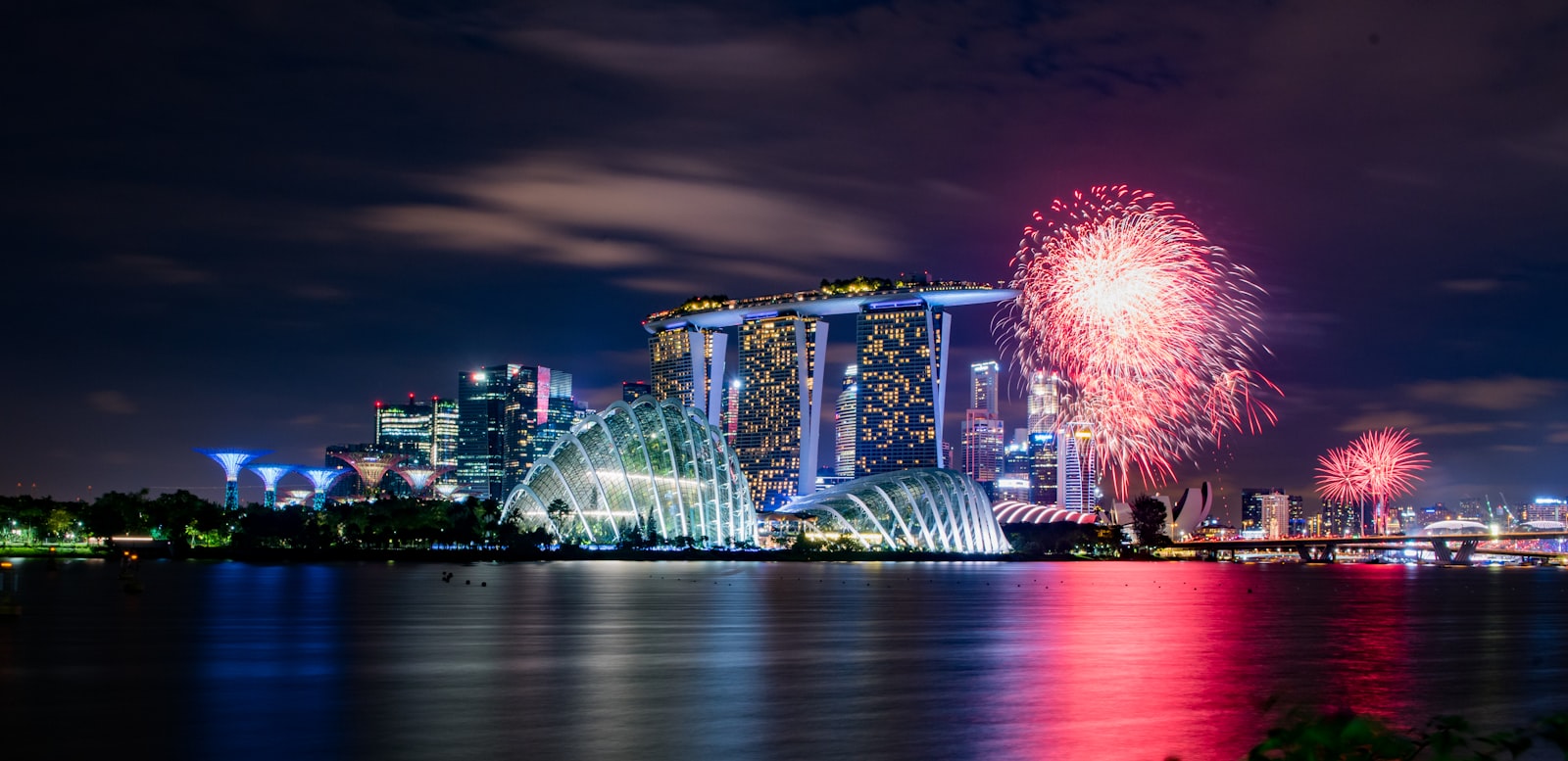
If you have never spent Chinese New Year in Singapore before, the first thing you will notice is the sound: firecracker-red decorations in every mall, upbeat festive songs on repeat, and the clatter of chopsticks as friends and colleagues toss a salad into the air. Chinese New Year, also known as Lunar New Year or CNY, is one of the island’s biggest celebrations, and it has a distinctly Singaporean flavour. Whether you are a local brushing up on the etiquette or a newcomer invited to your first reunion dinner, here is what to expect and how to join in with confidence.
The dates shift each year because the festival follows the lunar calendar, usually falling somewhere between late January and mid-February. Two days are public holidays here, so plan around them.
The heart of it: reunion dinner and visiting
The most important meal of the year is the reunion dinner, held on the eve of the new year. Families gather, often at home or at a favourite restaurant, and the emphasis is on being together rather than on any single dish. Expect a generous spread: steamboat is a popular choice because everyone cooks and eats from the same simmering pot, which suits the spirit of togetherness.
Over the following days comes bai nian, the tradition of visiting relatives and friends. Younger family members call on their elders first, and the visits ripple outward through the extended family and social circle. It is warm, busy, and a little bit of a marathon.
House visiting etiquette
A few simple habits will help you feel at ease as a guest:
- Bring a small gift, such as two mandarin oranges, when you arrive, and present them with both hands.
- Offer new year greetings to your hosts. “Gong xi fa cai” (wishing you prosperity) and “Xin nian kuai le” (happy new year) are both welcome.
- Avoid visiting empty-handed, and avoid anything associated with mourning or bad luck as a gift.
- Wear something bright if you can. Red and other cheerful colours suit the mood; black and white are traditionally avoided during the festive days.
Hongbao: the red packet, and the local rules
The hongbao, or ang bao in the local Hokkien-influenced term, is a red packet containing money. Married couples and elders give them to children and to unmarried younger adults, and the gesture carries good wishes rather than being about the amount inside.
A few points of local etiquette are worth knowing:
- Give and receive a hongbao with both hands, and do not open it in front of the giver.
- Use crisp, new notes where you can. Many people set these aside from the bank in advance.
- Amounts are personal, but avoid figures containing the number four, which sounds like the word for death. Even numbers are generally preferred, and eight is considered especially lucky.
- Employers and businesses may hand out token hongbao too, so do not be surprised if you receive one at work.
A hongbao is a blessing wrapped in red. The warmth of the wish matters far more than the sum inside.
Lo hei, mandarin oranges and lucky food
One tradition that is beloved in Singapore and Malaysia is lo hei, the tossing of yusheng. Yusheng is a colourful raw-fish and shredded-vegetable salad. Everyone gathers around the plate, adds the ingredients while calling out auspicious phrases, then tosses the salad high with their chopsticks. The higher the toss, the better the fortune, so expect a joyful, messy scramble. You will see lo hei at family tables, office lunches and restaurant gatherings throughout the season.
Mandarin oranges are everywhere during CNY. Their round, golden shape and lucky-sounding name make them a symbol of wealth, which is why guests bring them and hosts offer them. Other festive treats to look out for include pineapple tarts, love letters (thin rolled biscuits), bak kwa (sweet barbecued pork slices, which draw famously long queues), and steamed or fried new year cakes.
What closes, and what to plan for
Singapore does not shut down entirely, but the first two days of the new year are the quietest of the year. Keep these in mind:
- Many smaller shops, hawker stalls, wet markets and family-run eateries close for a few days, and some stay shut for longer. Signs often go up beforehand.
- Larger malls, big supermarkets, and attractions usually stay open, though hours may be shorter.
- Stock up on groceries and essentials a few days ahead, as fresh-food markets thin out.
- Public transport runs, but some services adjust their timings on the holidays, so check before you travel.
The festive precincts
Part of the fun is soaking up the atmosphere around the island.
Chinatown light-up and bazaar
Chinatown is the beating heart of the season. The streets are strung with elaborate lanterns and a themed light-up, and a bustling bazaar fills the area with stalls selling decorations, snacks, flowers and gifts. It is busiest in the evenings and in the final days before the new year, when shoppers come to buy last-minute goodies.
River Hongbao
River Hongbao is a large carnival-style event, traditionally held near the waterfront in the city centre. Expect towering illuminated displays, including a giant God of Fortune figure, food stalls, and stage performances. It is family-friendly and especially pretty after dark.
Chingay Parade
Chingay is a dazzling street parade, one of the largest of its kind in the region. It brings together lion and dragon dances, floats, performers and communities from across Singapore’s many cultures. More than a Chinese celebration, it has grown into a showcase of the whole nation’s diversity, which says a lot about how the festival lives here.
How it differs from mainland China
The core meanings are shared, but the local celebration has its own character. Lo hei with yusheng, for instance, is a Singapore and Malaysia tradition that is not part of the typical mainland celebration. Singapore’s version is also unmistakably multicultural, with friends of every background joining in the visiting and the meals. And because the city is dense and tightly regulated, private fireworks and firecrackers are not part of the picture the way they are in many mainland cities; the spectacle here comes from organised light-ups, parades and community events instead. The holiday period tends to be shorter too, centred on the two public holidays rather than a long nationwide travel break.
Quick tips for your first CNY
- Stock up on groceries before the first two days.
- Keep a few new notes and spare hongbao on hand in case you need to give one.
- Bring mandarin oranges (ideally two) when you visit someone’s home.
- Learn one or two greetings; hosts genuinely appreciate the effort.
- Dress in bright colours and skip black-and-white outfits for visits.
- Go easy on the festive snacks, or at least pace yourself across all the visiting.
Chinese New Year in Singapore is generous, noisy and full of heart. Say yes to the invitations, toss the yusheng as high as you can, and let the good wishes carry you into the year ahead.
Explore more: A guide to Singapore’s festivals and Singapore’s ethnic enclaves