
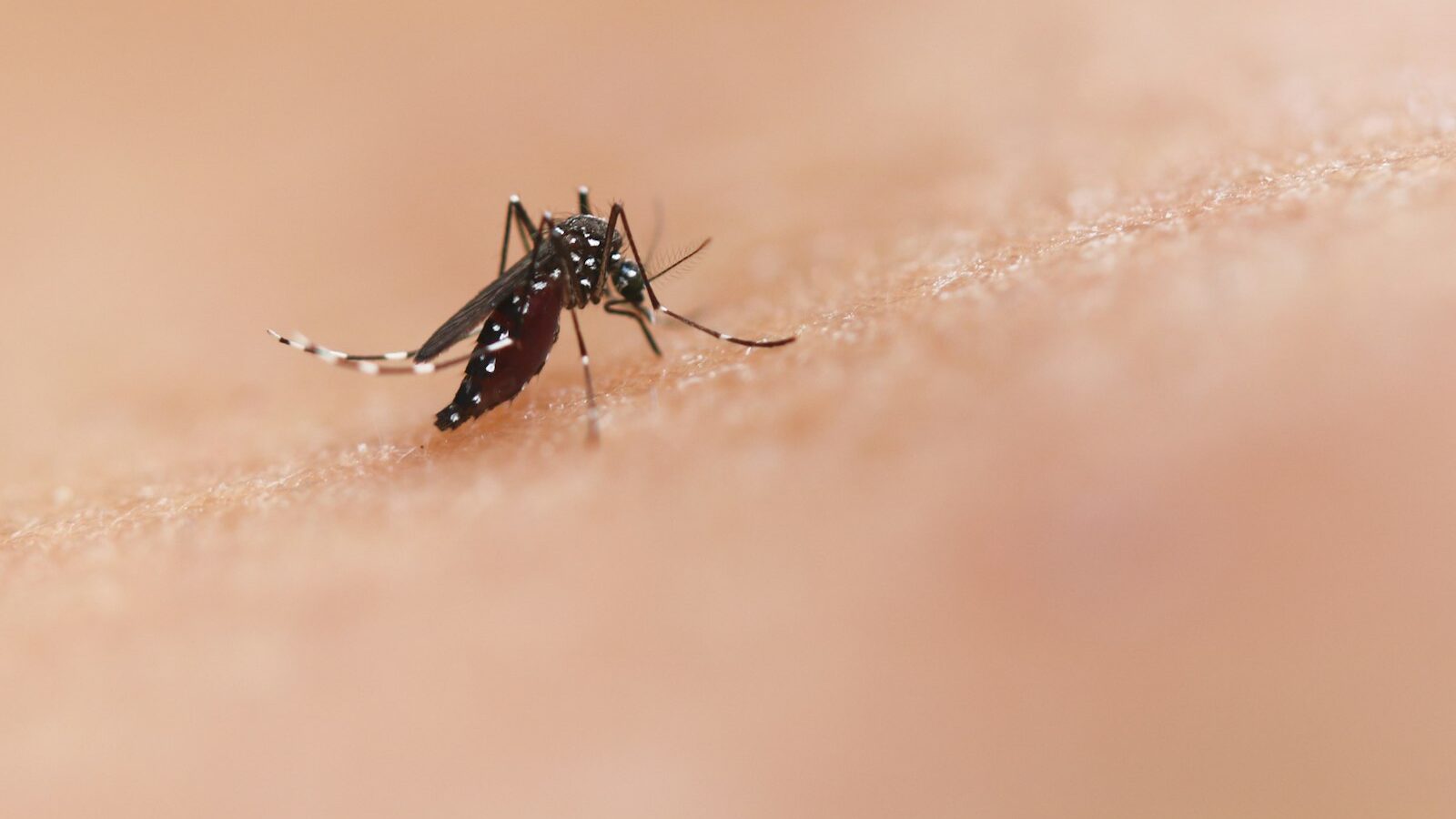
If you live in or are moving to the tropics, dengue is one of those local realities worth understanding early. Dengue in Singapore is not constant, but it flares up in periodic outbreaks, usually when the weather warms and the mosquito population climbs. The good news is that most of what keeps you and your neighbours safe is simple, practical, and done at home. This guide explains what dengue is, how to lower your risk, how to recognise the warning signs, and where to check official information.
A quick note before we start: this is general information, not medical advice. If you feel unwell, see a doctor for a proper diagnosis.
What dengue is and why Singapore has outbreaks
Dengue is a viral illness spread by mosquitoes, mainly the Aedes mosquito. The virus does not pass directly from person to person. Instead, a mosquito bites someone carrying the virus, then bites the next person, and the cycle continues. This is why controlling mosquitoes matters so much: fewer mosquitoes means fewer chances for the virus to move around a neighbourhood.
Singapore’s climate is warm and humid all year, which suits the Aedes mosquito perfectly. It is a daytime biter that thrives in dense urban areas, breeding in small pockets of clean, stagnant water rather than dirty drains. A bottle cap, a plant tray, or a forgotten pail can be enough. Because so many people live close together, and because the mosquito breeds easily around homes, the conditions for periodic outbreaks are always present.
There are several strains of the dengue virus circulating. Having had dengue once does not make you immune to the others, and in some cases a second infection can be more serious. That is part of why prevention stays important no matter how long you have lived here.
Prevention at home: the Mozzie Wipeout habit
Most local prevention centres on a simple idea promoted by the authorities: remove the stagnant water where mosquitoes breed. This is the heart of the national Mozzie Wipeout campaign, and it only takes a few minutes to work into your weekly routine.
Try to make these steps a habit:
- Turn over pails, watering cans, and empty containers so they cannot collect water.
- Change the water in vases and flower bowls, and scrub the sides to remove any eggs.
- Loosen the soil in potted plants so puddles do not form on hardened surfaces.
- Clear any blockages in roof gutters and scupper drains, and put larvicide where advised.
- Cover rarely used toilet bowls and seal up containers you are storing.
- Check plant trays, drip trays under fridges or air-conditioning units, and pet water bowls.
A tiny amount of water, no bigger than a 20-cent coin, is enough for the Aedes mosquito to breed. When in doubt, tip it out.
Beyond removing breeding spots, protect yourself directly. Apply insect repellent on exposed skin, especially during the day. Wear long, loose, light clothing when you can. Fit and maintain window and door screens, and consider a mosquito net if screens are not practical. If you have a garden or balcony, keep it tidy and free of water-collecting clutter.
A quick weekly checklist
- Repellent stocked and within reach at home
- Screens intact, no gaps or tears
- All trays, vases, and containers emptied or turned over
- Gutters and drains flowing freely
- Bin and recycling area free of pooled water
Recognising dengue symptoms
Dengue can feel like a bad flu, and symptoms usually appear a few days to about two weeks after a bite. In general terms, common signs include:
- Sudden high fever
- Severe headache, often behind the eyes
- Aching muscles and joints
- Nausea, vomiting, or loss of appetite
- A skin rash, sometimes appearing after a few days
Many people recover with rest and fluids, but dengue can occasionally become serious. Warning signs that need urgent attention include severe stomach pain, persistent vomiting, bleeding from the gums or nose, blood in vomit or stools, difficulty breathing, and unusual restlessness or tiredness. These can appear even as the fever settles, so do not assume you are in the clear just because the temperature drops.
When to see a doctor
Do not try to self-diagnose dengue. A doctor can confirm it with a blood test and guide your care, which matters because some common painkillers are not recommended when dengue is suspected. See a doctor early if you have a high fever, especially during an outbreak or if you live near a known cluster. Seek urgent care immediately if any of the warning signs above appear. If you are newer to Singapore and unsure where to go, our guide to the local system can help you find a clinic or hospital.
Dengue clusters and the NEA dengue map
When several cases appear close together in a short time, the authorities designate the area a dengue cluster. The National Environment Agency (NEA) tracks these and publishes an online dengue map showing active clusters, case numbers, and risk levels across the island. It is worth a quick look if you are house-hunting, planning to spend time outdoors in a particular area, or simply want to know the situation near home.
Living in or near a cluster is not a cause for panic, but it is a signal to be extra careful: step up your repellent use, double-check for breeding spots, and watch for symptoms in your household. During active clusters, you may notice officers conducting inspections, fogging, and outreach in the neighbourhood. Cooperating with these visits helps break the transmission chain faster.
Always treat NEA as the source of truth for current dengue conditions and cluster locations. Numbers and hotspots change through the year, so check the official dengue map rather than relying on older information.
Community responsibility
Dengue prevention works best when it is shared. A single tidy home surrounded by neglected ones still sits in a risky pocket, because mosquitoes do not respect boundaries. That is why the Mozzie Wipeout is framed as a community effort. Doing your part, and gently encouraging neighbours, corridors, and shared spaces to do the same, protects everyone, including the young, the elderly, and anyone whose immune system is more vulnerable.
If you manage a common area, keep an eye on shared drains, planters, and rubbish points. If you are a tenant, flag any persistent water pooling to your landlord or management. Small, consistent actions across a block add up to real protection.
Singapore’s warm weather is part of daily life here, and mosquitoes come with the territory. Learning to live comfortably in the heat while staying mindful of breeding spots is simply part of settling in. With a few good habits and a quick check of the NEA map when needed, you can keep your risk low and get on with enjoying the city.
Explore more: Your guide to Singapore healthcare and Surviving the Singapore heat.