
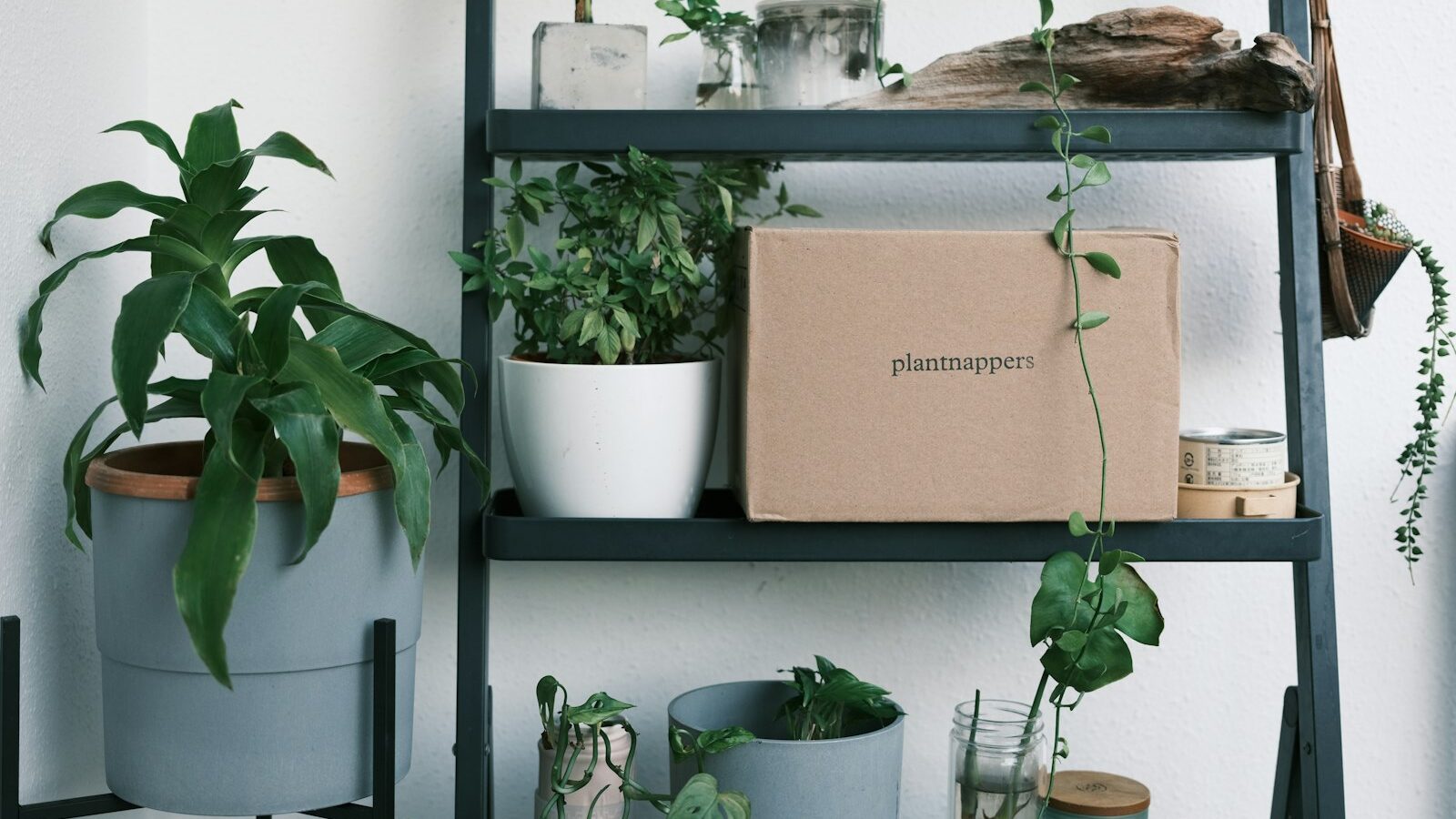
Half of what you throw away after cooking can feed your plants instead of the rubbish chute. DIY organic fertilisers made from kitchen waste turn banana peels, vegetable trimmings and used coffee grounds into free, gentle nourishment for your balcony pots and beds. It is a satisfying loop, less waste leaving your flat and healthier soil in return, and it suits Singapore’s steady warmth, which breaks scraps down fast. This guide walks total beginners through what to use, how to make a few simple feeds, and the hygiene habits that keep smells, flies and pests firmly out of an HDB or condo home. It is general guidance for home growers, not professional advice.
What Kitchen Waste Feeds Plants
Plants draw most of their food from the soil, and kitchen scraps rot down into exactly the sort of organic matter that soil life loves. As they decompose, they release nitrogen, potassium, phosphorus and trace minerals slowly, and they feed the microbes and worms that keep soil alive. Because this release is gradual, homemade feeds are gentle and forgiving; you are far less likely to scorch a plant than with a concentrated synthetic fertiliser.
Not everything from the kitchen belongs in the garden, though, and getting this right is the difference between a sweet, earthy compost and a smelly, fly-ridden mess. Stick to plant-based scraps, and keep out anything that turns rancid or attracts vermin.
- Good to use: vegetable and fruit peels, apple cores, leafy trimmings, used coffee grounds and paper filters, loose tea, crushed eggshells, and rice or pasta rinsing water once cooled.
- Keep out: meat, fish, bones, dairy, cooking oil and fat, salty or heavily seasoned leftovers, and anything greasy. These cause foul smells, attract rats, cockroaches and flies, and slow the whole process down.
Coffee grounds and crushed eggshells are worth singling out. Grounds add nitrogen and a little grit that improves soil texture, while eggshells add slow-release calcium once crushed fine. Both are easy wins you can start collecting today.
Simple Feeds You Can Make at Home
You do not need special equipment to start. Here are three approachable methods, from the quickest to the most hands-on.
- Banana peel feed. Chop a banana peel small, cover it with water in a jar, and leave it a couple of days in a cool spot. Strain off the liquid, dilute it well with plain water until it looks like weak tea, and pour it around fruiting and flowering plants for a potassium boost. Bury the softened peel in a pot afterwards so nothing is wasted.
- Coffee ground top dressing. Let used grounds dry so they do not clump and mould, then scatter a thin layer on the soil surface and scratch it in lightly. Use it sparingly, a light sprinkle rather than a thick cap, since a heavy wet layer can turn slimy.
- A small compost tub. Layer chopped scraps with dry “brown” material such as shredded paper, dead leaves or a little coconut husk, keep it roughly as damp as a wrung-out cloth, and turn it every few days. In our heat it can break down into dark, crumbly compost in a couple of months. Mix a handful into pots or beds when it is ready.
A quick word on eggshells: rinse, dry and crush them as fine as you can before adding them, whether to compost or straight into a pot. Whole shells take a very long time to break down and do little in the meantime.
Whichever method you choose, always dilute liquid feeds well and go light. With homemade fertilisers, less and more often beats a heavy dose. Overdoing even a gentle feed can burn roots or leave soil soggy and sour.
Keeping It Clean, Odour Free and Pest Free
This is the section that decides whether composting survives in a flat, because a smelly bin by the kitchen door will not last a week. Good hygiene is not optional; it is the whole game in a dense, warm city.
- No meat, oil or dairy, ever. These are the main cause of rancid smells and the reason rats and cockroaches show up. Plant scraps alone rot cleanly.
- Balance wet with dry. Kitchen scraps are wet and nitrogen-rich, so mix in dry browns like shredded paper or dead leaves. This soaks up moisture, stops sliminess and kills the sour smell.
- Chop small and bury. Smaller pieces break down faster and give flies less to land on. When adding scraps to a tub, bury them under a layer of soil or browns rather than leaving them exposed.
- Use a lidded, ventilated container. A bin with a secure lid and a few small air holes keeps flies out while letting the mix breathe. A tight, airless container turns anaerobic and stinks.
- Watch the moisture. It should feel like a wrung-out cloth. Too wet and it smells; too dry and nothing happens. Add browns if soggy, a splash of water if bone dry.
- Never leave standing water. Any liquid that pools in a tray or catches under a bin is a mosquito risk. Empty saucers and covers after rain and after watering, in line with NEA guidance and the Mozzie Wipeout habits, since stagnant water breeds Aedes mosquitoes.
If your setup ever smells bad, do not panic. It almost always means too wet, too airless or the wrong ingredients. Mix in dry material, turn it to add air, and check that nothing greasy slipped in.
Homemade Versus Shop-Bought Fertiliser
Homemade feeds are wonderful, but they are not a total replacement for a balanced product, and it helps to know where each fits.
| Feature | DIY kitchen-waste feeds | Shop-bought fertiliser |
|---|---|---|
| Cost | Free, from scraps you already have | Ongoing purchase |
| Nutrient balance | Variable, gentle, hard to measure | Consistent, clearly labelled |
| Speed of effect | Slow and mild | Faster, more concentrated |
| Waste reduction | High, keeps scraps out of the bin | None |
| Effort | Moderate, needs sorting and turning | Minimal, just measure and apply |
| Risk of burning plants | Low if diluted | Higher if over-applied |
For most home gardeners the sensible answer is both. Use kitchen-waste feeds and compost as your steady, soil-building base, and reach for a balanced bought fertiliser at half strength when a hungry, fast-growing plant needs a targeted top-up. Check the product label for rates rather than guessing.
Closing the Loop in a Small Home
You do not need a garden or a big bin to make this work. A single lidded tub on a service balcony, a jar of banana peel feed on the windowsill, and a tin collecting coffee grounds are enough to keep most balcony pots fed for free. Start small, keep it clean and dry-balanced, and you will quickly get a feel for what your plants respond to. Richer soil holds water better, resists pests and grows sturdier plants, which means less spraying and fussing later. It is one of the most rewarding habits a beginner gardener can build.
Explore more: take the idea further with vermicomposting with worms, enrich your beds using no dig gardening in the tropics, and feed hungry crops in your raised bed gardening setup.