
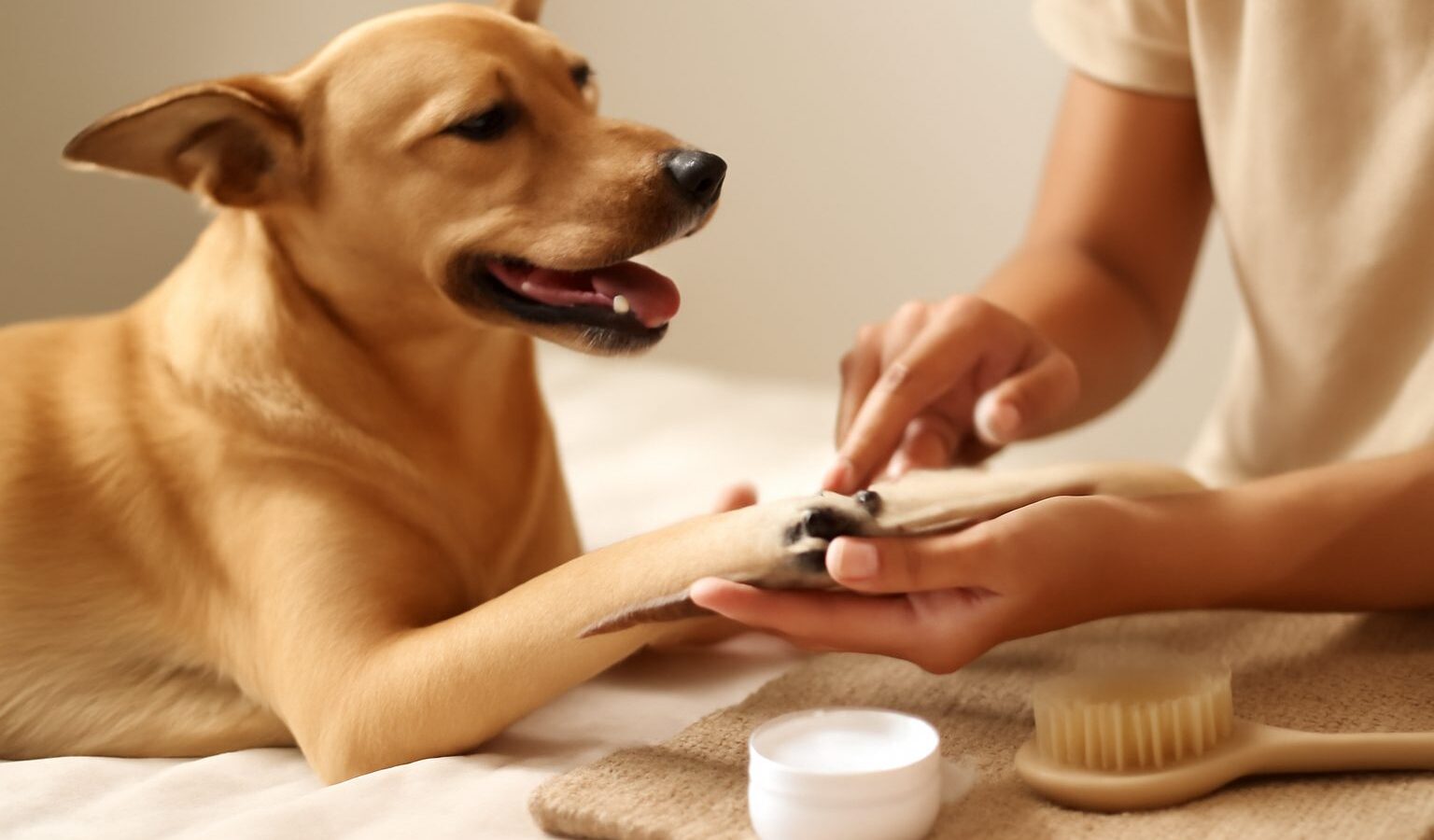
Your dog’s paw pads do a lot of quiet work, gripping the ground, cushioning every step and standing up to rough surfaces. In Singapore’s relentless heat, though, the very pavements we walk on can turn from safe to scorching in the space of a morning. Good dog paw care on hot pavements is not fussy pampering. It protects your dog from painful burns and, just as importantly, keeps you alert to the wider danger of overheating. This article is general information and not veterinary advice, so please see your vet for any injury or health concern.
Why Hot Ground Is a Real Hazard Here
Concrete, asphalt, tarmac and metal drain covers absorb heat through the day and hold it long after. Under our tropical sun, these surfaces can grow far hotter than the air, hot enough to hurt the soft skin of a paw pad. Because your dog walks barefoot, it has no shoes to shield it, and a short walk across a sun-baked car park or void deck can leave the pads sore, blistered or burned.
Dogs are also stoic. Many will keep walking to please you even when their feet hurt, so you cannot rely on obvious complaints to tell you the ground is too hot. That makes it your job to check the surface before you set off, rather than waiting for your dog to show pain.
The Simple Pavement Test
Before every walk on a warm day, do a quick check that takes only seconds. Press the back of your hand flat against the pavement and hold it there for about seven seconds. If it is too hot for you to keep your hand comfortably in place, it is too hot for your dog’s paws. When in doubt, wait for a cooler time or choose a shaded, grassy route instead.
A few practical habits make hot days safer:
- Walk in cooler hours. Early morning and later evening are kinder to paws than midday.
- Seek shade and grass. Stick to shaded paths, park connectors and grassed areas that stay cooler than bare concrete.
- Keep walks short in peak heat. On the hottest days, choose a brief outing or swap the walk for indoor play.
- Carry water. Offer regular drinks and rest stops to help your dog stay cool.
Everyday Paw Care Routine
Protecting paws is not only about hot days. A little regular attention keeps the pads healthy and lets you catch problems early. Handle your dog’s feet gently and often, so paw checks feel normal rather than stressful.
- Inspect after walks. Look between the toes and over the pads for cuts, grit, redness, cracks or swelling.
- Rinse and dry. Wipe or rinse the paws after outdoor time, then dry between the toes to avoid moisture-related irritation in our humidity.
- Trim nails and fur. Keep nails at a comfortable length and tidy the fur between the pads, following your groomer’s or vet’s guidance.
- Watch for licking. Constant licking or chewing at a paw can signal irritation, injury or an allergy worth a vet visit.
If you notice a burn, a deep cut, persistent limping, bleeding that will not stop, or a paw your dog will not put weight on, see your vet. Paw injuries can become infected, and prompt care makes recovery easier.
Signs of Paw Trouble and Heat Stress
It helps to know what a healthy paw looks like versus signs that call for action. The table below sets out the difference.
| What to check | Healthy sign | Warning sign that needs attention |
|---|---|---|
| Pad surface | Smooth and intact | Blisters, peeling, redness or raw patches |
| Colour | Normal for your dog | Unusually dark, angry red or discoloured |
| Behaviour | Walks and stands normally | Limping, lifting a paw, refusing to walk |
| Licking | Occasional grooming | Constant licking or chewing at the paw |
| After a hot walk | Comfortable and settled | Whimpering, reluctance, obvious tenderness |
Hot pavements point to a bigger risk on warm days, which is overheating of the whole dog. Heatstroke is a genuine emergency in Singapore’s climate, and every owner should know the warning signs.
Heat Safety and the Red Flags
The most important rule is simple: never leave your dog in a parked car, not even for a minute and not even with the windows cracked. A car heats up dangerously fast and can become deadly, and this remains a leading cause of avoidable heat tragedies in pets. The same caution applies to leaving a dog in any hot, poorly ventilated space.
On walks, keep sessions gentle in the heat, offer shade and water, and pay special attention to flat-faced breeds, older dogs, overweight dogs and puppies, all of whom cope less well with heat. Learn to recognise heatstroke and act fast if you see it. Seek emergency veterinary care straight away if your dog shows:
- Heavy, frantic panting that does not settle.
- Drooling, bright red gums or a distressed expression.
- Wobbliness, weakness, confusion or collapse.
- Vomiting or diarrhoea alongside the above.
While arranging to reach a vet, move your dog to shade or a cool room, offer small sips of water, and cool it gently with room-temperature water, avoiding ice-cold water. Heatstroke can turn serious in minutes, so treat it as the emergency it is and let your vet guide the next steps.
Small Habits, Comfortable Paws
Paw care rewards consistency more than effort. Test the pavement before you walk, choose cooler hours and shaded routes, check the pads after every outing, and never leave your dog in a hot car. These small, steady habits spare your dog painful burns and help you catch heat stress before it becomes dangerous. When anything looks wrong with a paw, or your dog seems unwell in the heat, your vet is the right person to call.
Explore More
Safe walks keep your dog fit and content. Pair this with our guide to managing your dog’s weight so exercise stays healthy, and read up on tick, flea and heartworm prevention before heading into grassy areas. Travelling somewhere for a walk? See our car travel safety guide first.