
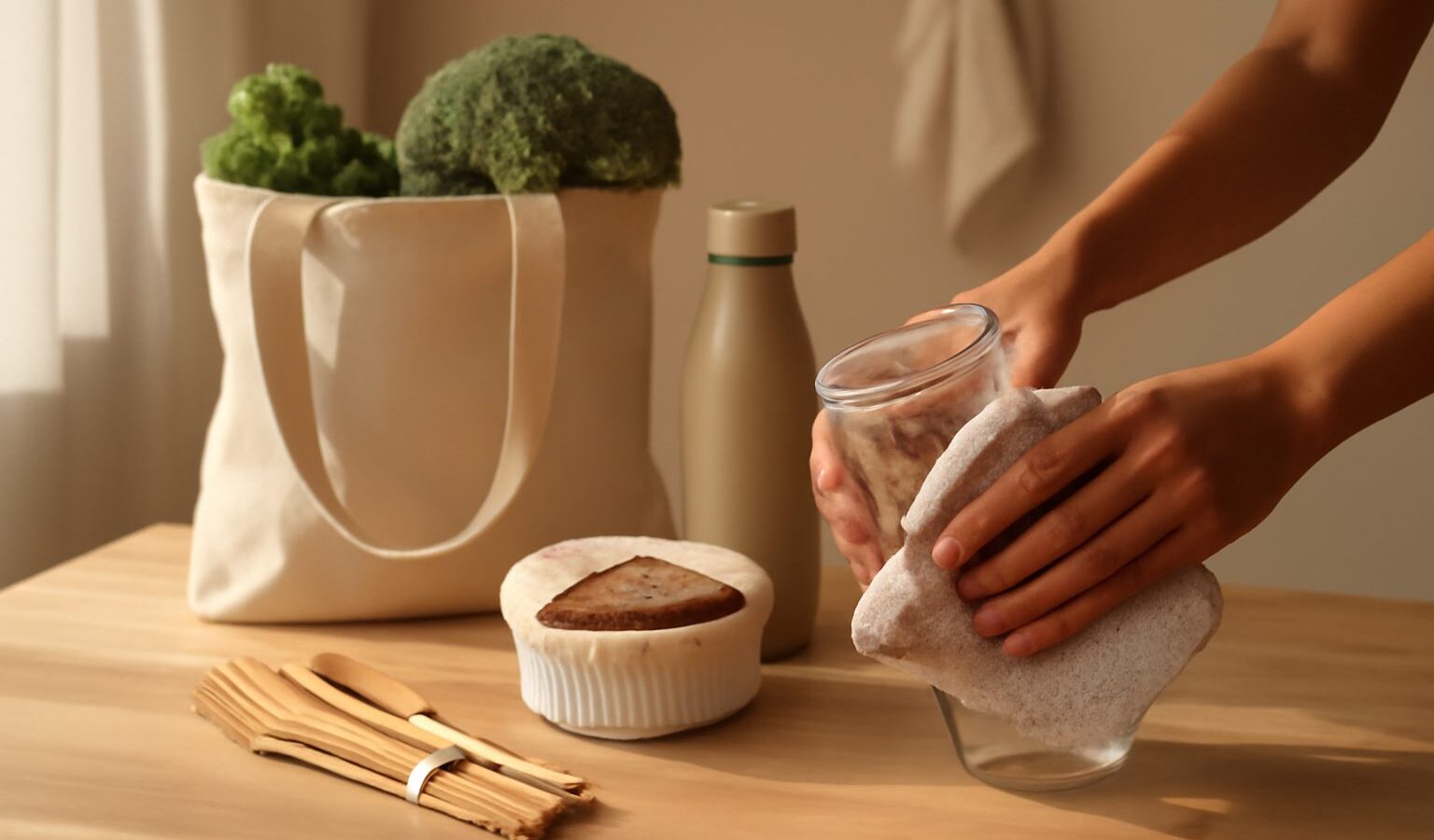
Single-use plastic sneaks into our days in tiny ways: a carrier bag here, a takeaway cup there, a plastic spoon we use once and bin. None of it feels like much on its own, yet across a year it adds up to a mountain of waste. The good news is that reusable swaps Singapore households can make are some of the simplest green wins around. They cost little, save money over time, and slot into a busy life without any drama. This guide is not about buying a cupboard of trendy gadgets. It is about swapping a few things you already use daily for versions that last.
Start With What You Already Use Most
The trick to swaps that stick is to change what you reach for every single day, not the rare item you barely touch. If you buy a coffee each morning, a reusable cup earns its keep fast. If you never buy takeaway coffee, that same cup gathers dust. So look at your own routine first and pick the swap that matches it.
There is no need to throw out perfectly good things to go greener either. Buying a brand new set of eco products, only to bin usable ones, misses the point. Use what you have until it wears out, then replace it with a reusable version. A jam jar makes a fine drinking glass or storage tin, and an old tote works as well as any designer bag.
Under the Singapore Green Plan 2030, the country is working to cut the waste we send to Semakau, and everyday choices are part of that. Since supermarkets began charging for disposable carrier bags, many of us already carry our own. Reusable swaps simply extend that habit to the rest of the day.
Swaps for the Kitchen and Home
The kitchen is where single-use items pile up quickest, so it is a rewarding place to begin. A few easy changes cover most of it:
- Swap cling film for reusable food containers, silicone lids, or beeswax wraps to cover leftovers.
- Replace paper towels for wiping with washable cloths, keeping paper only for the truly messy jobs.
- Use a refillable bottle of dish soap or hand soap from a refill store instead of buying a new bottle each time.
- Keep a set of reusable containers for dabao, so your economy rice or noodles come home without a stack of throwaway boxes.
In our humid climate, washable cloths dry quickly on a rack or by a window, so they are easy to keep in rotation. Wash them regularly and they will outlast rolls and rolls of paper.
Swaps for Out and About
Most single-use waste happens when we are out, so this is where reusable swaps make the biggest dent. A small kit stashed in your everyday bag handles nearly all of it. The essentials are a foldable shopping bag, a water bottle, a coffee cup, and a set of cutlery or a food container if you often dabao.
A refillable water bottle is the standout swap in Singapore. Our tap water is safe to drink straight from the tap, and free water coolers are dotted around malls, parks, offices, and MRT stations, so you can top up rather than buy a new plastic bottle in the heat. It keeps you hydrated on hot days and saves a small fortune over a year.
For hawker centres and kopitiams, bringing your own container and cup is becoming more common and is warmly received at many stalls, especially for takeaway. If you drink bubble tea often, a reusable cup and a metal or silicone straw quietly remove a lot of plastic from your week. The key is keeping the kit somewhere you cannot forget it, like by the door or in your work bag.
Comparing the Everyday Swaps
Not every swap is equally easy, and it helps to start with the ones that fit your life. The table below sizes up the most common ones so you can choose where to begin.
| Single-use item | Reusable swap | Effort to adopt | Waste it saves |
|---|---|---|---|
| Plastic carrier bag | Foldable tote bag | Very low | High, used daily |
| Bottled water | Refillable water bottle | Low | High in our heat |
| Takeaway coffee cup | Reusable coffee cup | Low | Medium to high |
| Disposable cutlery | Reusable cutlery set | Medium | Medium |
| Takeaway food box | Reusable container | Medium | High if you dabao often |
Start at the top of the list and work down as each new habit settles. There is no prize for doing all five at once.
Swaps for the Bathroom
The bathroom offers its own set of easy switches, though a couple ask for a little getting used to. A bar of soap or shampoo replaces a plastic bottle and lasts a long time. A bamboo or replaceable-head toothbrush cuts the plastic you throw away every few months. Refillable dispensers, topped up at a refill store, keep the same bottle in service for years instead of a new one each month.
Reusable cloth options and washable pads exist for those who want them, and they can save a lot of waste over time, so they are worth considering if they suit you. As with everything here, there is no single right answer. Pick what feels comfortable and skip what does not.
Making the Habit Stick
The reason reusable swaps fail is almost never the product. It is forgetting to bring it. So build the habit into your routine rather than relying on willpower. Keep a foldable bag in every work bag and by the front door. Wash your bottle each evening and leave it where you will grab it in the morning. Put your dabao container back in your bag as soon as it is clean.
Be kind to yourself when you slip, too. Everyone forgets their bag sometimes, buys the bottled drink, or takes the plastic spoon in a rush. A reusable habit that works nine days out of ten is a real win, and far better than giving up because you were not perfect. The empties you do collect can still be rinsed and dropped in the blue recycling bin, as long as they are clean and dry so they do not contaminate the batch.
Over a year, a handful of small swaps quietly removes hundreds of disposable items from your life, saves you money, and lightens the load on Semakau. Start with one, let it become second nature, and add the next when you are ready. That steady, unfussy approach is what makes green habits last.
Explore more
Reusable swaps pair well with the rest of a lower-waste home. If you enjoyed this, try our guide to making your own natural cleaning products to cut plastic bottles under the sink, and our ideas for easy upcycling projects for the home to give old items a second life. To carry the habit to your desk, read setting up a greener home office next.
Related across Sky Media: Showing Affection in Everyday Life